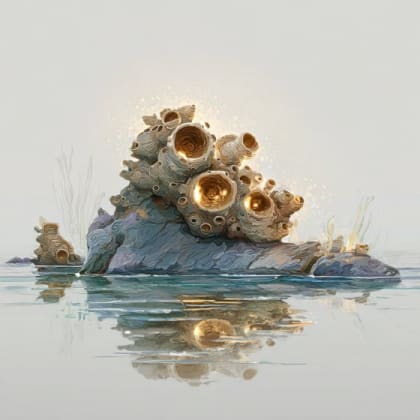
White-lipped Snail
Cepaea hortensis
The White-lipped Snail is a small, friendly snail that loves to munch on leaves and flowers. It has a pretty shell with a white lip, making it easy to spot in gardens and parks.
Habitat: Urban areas
The White-lipped Snail has a smooth, glossy shell, typically 18-25mm wide, often yellow, pink, or brown, with or without dark spiral bands. Its most distinct feature is the bright white lip or rim inside the shell's opening. This white lip clearly differentiates it from similar banded snails like the Brown-lipped Snail.
Category
InvertebrateRarity
Common
Danger
1/5 · Very low
Snaps
1
A White-lipped Snail's shell grows thicker and stronger as the snail gets older!
They can sometimes climb straight up walls, defying gravity with their strong foot!
They use tiny rasping teeth, called a radula, to scrape food from surfaces!
White-lipped Snails are hermaphrodites, meaning each snail has both male and female parts!
White-lipped Snails can seal their shell with mucus during cold or dry times because this helps them survive harsh conditions.
White-lipped Snails have shells with varied colors and bands that help them blend into different environments and hide from predators.
White-lipped Snails can repair small cracks in their shell because this helps them maintain protection and grow bigger.
White-lipped Snails leave a slimy mucus trail that helps them move smoothly and protect their soft body.
These snails munch on decaying plants, algae, and sometimes fungi found on surfaces.
Turdus merula
Snails are a food source for many birds.
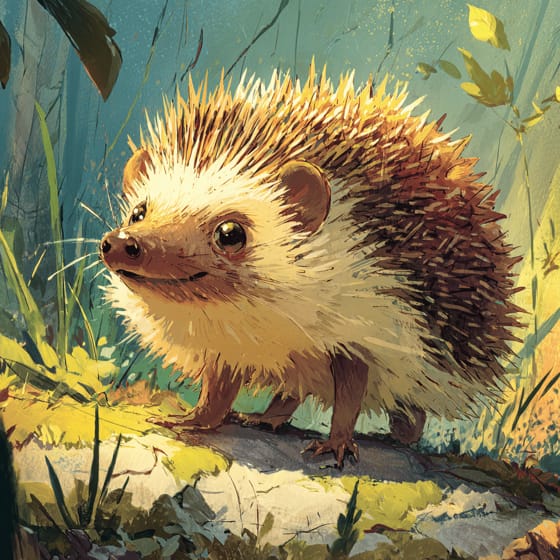
Erinaceus europaeus
Hedgehogs actively hunt and consume snails.
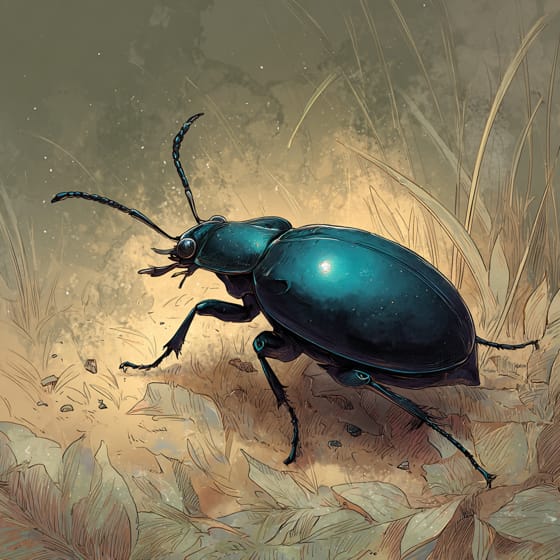
Carabus nemoralis
Some beetles prey on smaller snails.
_Clock_-_Tennessee%2C_USA_-_May_31%2C_2014.jpg&width=800)
Taraxacum officinale
Snails graze on various soft plants.
Social animals live in organized groups, cooperating for survival benefits such as foraging, defense, and raising offspring.
Solitary animals live alone for most of their lives, only interacting with others for mating or parental care.
Colorful describes organisms or objects displaying a wide range of bright and distinct colors.
This trait characterizes organisms whose diet consists entirely or primarily of plant material.

Describes organisms that break down dead organic material, recycling nutrients back into the ecosystem.

Diurnal animals are primarily active during daylight hours, typically resting or sleeping at night.

Pertaining to species that are significantly smaller than typical or average for their kind.

This habitat trait indicates species that can coexist with humans in urban and suburban environments, utilizing man-made structures and green spaces.
No aliases listed yet.
Danger
1/5 · Very low
Be gentle if you see a snail and don't pick it up too much; they are delicate creatures.
The easiest way to identify White-lipped Snail is to use the Snappit nature identifier app.
18-25 mm
730-1095 days
These snails munch on decaying plants, algae, and sometimes fungi found on surfaces.
Urban areas
Grazing
0
Zoom in to split clusters and explore where this object has been snapped.
Take the discovery with you
Snap it with Snappit to identify it, learn what makes it special, and add the discovery to your collection.