




Diastrophus
Diastrophus
Diastrophus is a type of insect that lives in plants. They are small and can be found munching on leaves. These little creatures help scientists understand how plants grow and change.
Habitat: Forests
The Diastrophus is a tiny, dark-bodied wasp, typically black or dark brown, with a shiny exoskeleton. It possesses delicate, clear wings and short, bent antennae. Its slender waist helps distinguish it from similar-sized flies.
Category
InsectsRarity
Common
Danger
1/5 · Very low
Snaps
Be the first to snap!
Diastrophus larvae live inside plant houses they made, eating the walls!
Each type of Diastrophus creates a gall with a unique shape and size!
Some Diastrophus galls look exactly like berries or tiny apples on stems!
These tiny wasps are expert architects, creating amazing homes from plants!
Diastrophus can cleverly manipulate plants to grow protective galls because of chemicals it injects, that helps shelter its larvae.
Diastrophus has the ability to reprogram plant cells to create a specific home and food source for its larvae, that helps them develop safely.
Diastrophus can inject special chemicals into plants that trigger unique growth, helping to form its distinct protective galls.
Diastrophus has the ability to make a plant build both shelter and food specifically for its babies, that helps them survive.
Larvae munch on plant tissue inside their gall homes, while adults might sip sweet nectar.
Age differences: Larvae consume gall plant tissue; adults may forage for nectar or honeydew.
.jpg&width=800)
Rubus allegheniensis
Diastrophus creates galls on its stems.
Torymus tubicola
Its larvae develop inside Diastrophus galls.

Potentilla canadensis
Diastrophus potentillae creates galls on its stems.
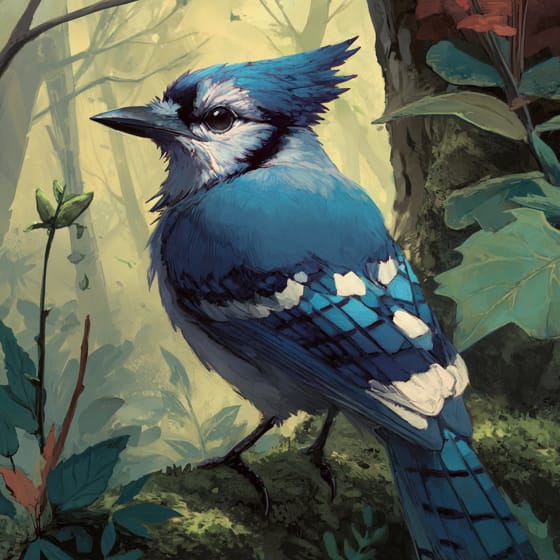
Cyanocitta cristata
Jays can peck open galls to eat the wasp larvae inside.
Solitary animals live alone for most of their lives, only interacting with others for mating or parental care.
Camouflaged describes organisms that possess coloring or patterns that allow them to blend into their environment.
This trait characterizes organisms whose diet consists entirely or primarily of plant material.
Describes a relationship between two different species where they live in close association, often benefiting one or both.

Forest habitats are terrestrial environments dominated by dense tree cover, supporting a high diversity of plant and animal life.

Diurnal animals are primarily active during daylight hours, typically resting or sleeping at night.

Pertaining to species that are significantly smaller than typical or average for their kind.

Describes organisms that transfer pollen, enabling the fertilization and reproduction of plants.
No aliases listed yet.
Danger
1/5 · Very low
If you see insects, it's best to watch them from a distance and not touch them.
The easiest way to identify Diastrophus is to use the Snappit nature identifier app.
2-8 mm
1-4 mm
7-20 days
Larvae munch on plant tissue inside their gall homes, while adults might sip sweet nectar.
Forests
Foraging
6
Zoom in to split clusters and explore where this object has been snapped.
Recent snaps will appear here as new observations are added.
Take the discovery with you
Snap it with Snappit to identify it, learn what makes it special, and add the discovery to your collection.







.jpg&width=800)



