_Figures_27%2C_28.jpg&width=800)





Dichelotarsus
Dichelotarsus
Dichelotarsus is a unique insect known for its colorful body and interesting shapes. These little creatures can be found in various habitats and are fun to discover in nature!
Habitat: Urban areas
The Dichelotarsus is a slender-bodied beetle, typically dark brown or black with an orange-red margin on its head shield (pronotum). Its hardened forewings (elytra) cover a light-producing organ at its abdomen's tip, setting it apart visually from most other beetles.
Category
InsectsRarity
Common
Danger
1/5 · Very low
Snaps
1
Each firefly species has its own secret flashing code!
Firefly larvae also glow to warn predators they taste bad!
Some sneaky female fireflies eat males from other species!
These 'flies' are actually beetles, not true flies at all!
Dichelotarsus can produce its own light using special chemicals, which helps them find mates in the dark.
Dichelotarsus has bitter-tasting chemicals called lucibufagins that helps them deter hungry predators.
Dichelotarsus larvae are active hunters, while adults often do not feed or sip nectar.
Age differences: Larvae are predatory, while adults may not feed or consume nectar/pollen minimally.
Social animals live in organized groups, cooperating for survival benefits such as foraging, defense, and raising offspring.
Camouflaged describes organisms that possess coloring or patterns that allow them to blend into their environment.
Colorful describes organisms or objects displaying a wide range of bright and distinct colors.
This trait characterizes organisms whose diet consists entirely or primarily of plant material.

Describes plants that are particularly attractive and beneficial to a wide range of pollinating organisms.

Diurnal animals are primarily active during daylight hours, typically resting or sleeping at night.

This habitat trait indicates species that can coexist with humans in urban and suburban environments, utilizing man-made structures and green spaces.

Describes organisms that transfer pollen, enabling the fertilization and reproduction of plants.
No aliases listed yet.
Danger
1/5 · Very low
Always look but don't touch insects unless an adult says it's okay.
The easiest way to identify Dichelotarsus is to use the Snappit nature identifier app.
20-40 mm
10-20 mm
14-28 days
8 km/h
Dichelotarsus larvae are active hunters, while adults often do not feed or sip nectar.
Urban areas
Foraging
Zoom in to split clusters and explore where this object has been snapped.

Connecticut, US
You might spot Common Mugwort and Eastern Gray Squirrel.
View guide →

British Columbia, CA
You might spot Pipsissewa, Western Rattlesnake Plantain, and Salal.
View guide →

British Columbia, CA
You might spot Pacific Banana Slug and Round-Leaved Sundew.
View guide →
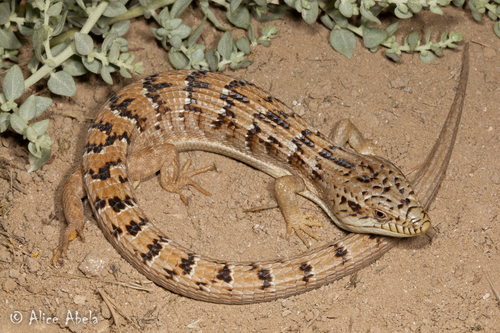
California, US
You might spot Southern Alligator Lizard, Grasses, and Catchweed Bedstraw.
View guide →
Take the discovery with you
Snap it with Snappit to identify it, learn what makes it special, and add the discovery to your collection.








.jpg&width=800)



