





Dimorphic Flower Longhorn Beetle
Anastrangalia laetifica
The Dimorphic Flower Longhorn Beetle is a colorful insect that loves to munch on flowers. With its long antennae, it can be found buzzing around gardens and meadows, making them a lively place!
Habitat: Gardens and meadows
The Dimorphic Flower Longhorn Beetle is slender, with antennae often longer than its body. Males typically have striking black wing covers and a bright yellow-orange chest, while females are usually reddish-brown or yellowish-brown all over, showcasing their distinct color forms.
Category
InsectsRarity
Common
Danger
1/5 · Very low
Snaps
4
Flower longhorn babies munch inside dead trees, not flowers!
Their antennae can be longer than their body, sensing their surroundings!
Their wings beat so fast they hum as they zip between flowers!
These beetles use strong jaws to reach juicy nectar in flowers!
Dimorphic Flower Longhorn Beetle has two distinct color forms that help them blend into varied backgrounds or confuse predators.
Dimorphic Flower Longhorn Beetle larvae can digest tough dead wood because of powerful enzymes, transforming fallen trees into nutrients.
Dimorphic Flower Longhorn Beetle can carry pollen between flowers on their fuzzy bodies, helping plants make seeds.
Adults sip nectar and munch pollen, while larvae feast on decaying wood from dead trees.
Age differences: Larvae eat decaying wood inside trees, while adults switch to nectar and pollen from flowers.
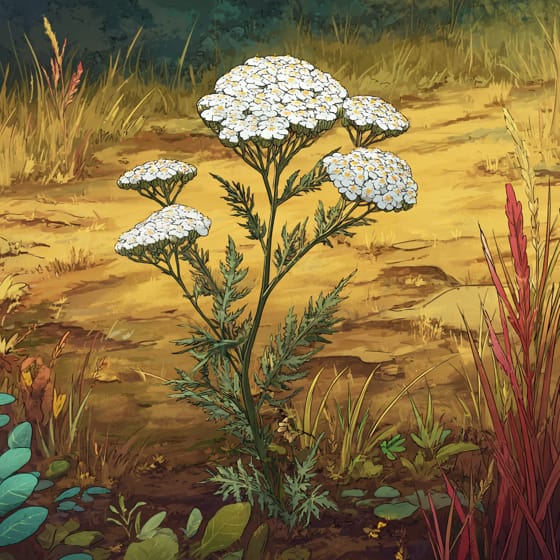
Achillea millefolium
Visits flowers to feed on nectar and pollen.
Pseudotsuga menziesii
Larvae develop within the decaying wood of fallen trees.
Empidonax difficilis
An insectivorous bird that preys on adult beetles.
Heracleum maximum
Frequently found on these large flower heads, feeding.
Social animals live in organized groups, cooperating for survival benefits such as foraging, defense, and raising offspring.
Colorful describes organisms or objects displaying a wide range of bright and distinct colors.
This trait characterizes organisms whose diet consists entirely or primarily of plant material.
Describes plants that are particularly attractive and beneficial to a wide range of pollinating organisms.

Diurnal animals are primarily active during daylight hours, typically resting or sleeping at night.

This habitat trait indicates species that can coexist with humans in urban and suburban environments, utilizing man-made structures and green spaces.

Describes organisms that transfer pollen, enabling the fertilization and reproduction of plants.
No aliases listed yet.
Danger
1/5 · Very low
Be gentle and watch where you step; insects are small and can be easily hurt.
The easiest way to identify Dimorphic Flower Longhorn Beetle is to use the Snappit nature identifier app.
16-30 mm
8-15 mm
20-45 days
Adults sip nectar and munch pollen, while larvae feast on decaying wood from dead trees.
Gardens and meadows
Foraging
6
Zoom in to split clusters and explore where this object has been snapped.

California, US
You might spot Sequoia, California Incense-Cedar, and White Fir.
View guide →

California, US
You might spot Broad-Leaved Stonecrop and Pacific Bleeding Heart.
View guide →
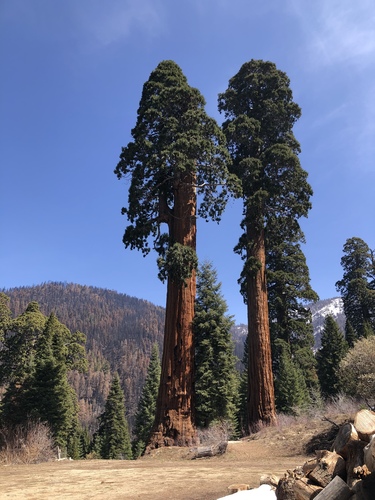
California, US
You might spot Sequoia, Mountain Misery, and Mule Deer.
View guide →
.JPG)
California, US
You might spot Cardinal Catchfly and Broad-Leaved Stonecrop.
View guide →
.jpg)
British Columbia, CA
You might spot Pacific Madrone and Shortspur Seablush.
View guide →
Take the discovery with you
Snap it with Snappit to identify it, learn what makes it special, and add the discovery to your collection.







.jpg&width=800)



