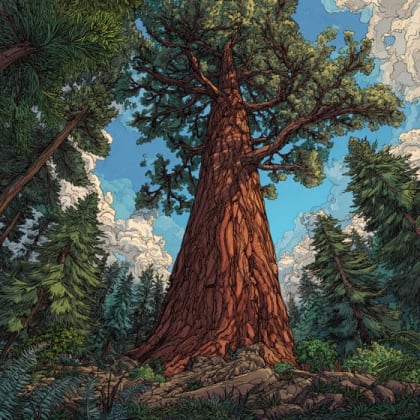





Sequoia
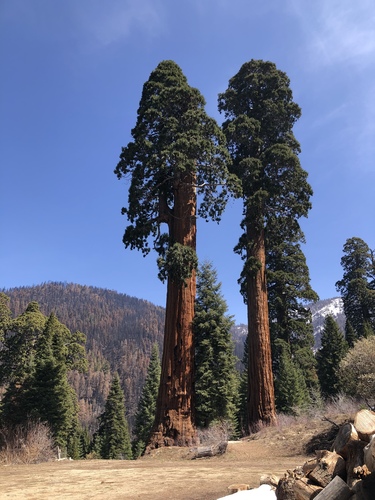
McIntyre Grove offers a humbling encounter with the majestic giant sequoias.
McIntyre Grove offers a humbling encounter with the majestic giant sequoias. This sprawling grove, part of the larger Belknap Complex within California's Giant Sequoia National Monument, invites visitors to walk among some of the world's largest and most ancient living organisms. It's a place where the grandeur of nature truly takes center stage, despite the scars of recent wildfires.
While the 2020 Castle Fire significantly impacted many areas, McIntyre Grove still presents a profound natural experience, showcasing both the resilience and vulnerability of these titans. Visitors can explore trails winding through a landscape dotted with surviving giants, alongside a poignant display of fire's transformative power on the forest. Notable features include the unique Clothespin Tree, which famously straddles a path, and the dramatic sight of the Domino Trees, a series of fallen sequoias. The Tule River, flowing through the complex, offers serene spots and a chance to observe the forest's ongoing regeneration.
Visiting McIntyre Grove is a powerful journey into a timeless ecosystem, offering a chance to witness the enduring legacy of giant sequoias. It's an unforgettable destination for those seeking quiet contemplation, impressive natural scenery, and a deeper understanding of forest dynamics and recovery. The sheer scale of these trees, even those altered by fire, leaves an indelible impression on all who wander beneath their towering canopies. Planning to visit? Download the Snappit app to identify the wildlife you spot in real-time.
McIntyre Grove is an integral part of the Giant Sequoia National Monument, which was established in 2000. This designation aimed to protect the numerous sequoia groves in the area from continued logging activities that had impacted the surrounding conifers since the late 19th century. The grove is nestled within the Tule River watershed, south of Camp Nelson, California. A pivotal event in the grove's recent history was the 2020 Castle Fire (also known as the SQF Complex / Castle Fire). This high-intensity blaze caused extensive damage throughout the Belknap Complex, which includes McIntyre Grove. Tragically, many prominent and historic trees, including the magnificent Patriarch Tree, the largest in McIntyre Grove, were destroyed. The fire altered nearly 60% of the complex, severely impacting countless giant sequoias and profoundly changing the landscape. Despite the devastation, the grove now stands as a testament to nature's cycle of destruction and rebirth, with ongoing natural regeneration.
Hike the **Forest Trail 31E30 (Camp Nelson Trail)**, which winds through the heart of the grove, or the **Bear Creek Trail (31E31)**. Observe the regeneration of the forest post-fire, with young sequoia seedlings emerging. Enjoy fishing along the **Tule River**.
Spring: Witness wildflowers blooming and increased wildlife activity. Temperatures are mild.
Summer: Expect warmer temperatures, especially at lower elevations. All trails and facilities are typically open.
Fall: Cooler weather and lighter crowds offer a tranquil experience. Occasional light showers may occur.
Winter: Prepare for snow and ice. Roads may require tire chains, and some areas might be inaccessible. This season offers a quiet, often snow-covered, landscape.
McIntyre Grove is generally accessible by paved roads, with the Belknap Campground and surrounding areas being relatively easy to reach by car. Trails within the grove vary; some sections, particularly on the upper McIntyre Grove trail, can be steep. Campgrounds in the area offer basic amenities like drinking water and vault toilets.
The primary highlight is experiencing the giant sequoias themselves. Look for unique formations like the **Clothespin Tree**, which hikers can pass through. The remnants of historically significant trees like the **Patriarch Tree**, while now fallen, still convey immense scale and offer a poignant reminder of the fire's impact. Explore the **Domino Trees**, a fascinating natural arrangement of fallen sequoias.
Each card links to a full Explore page with photos, traits, and fun facts.
Start with the big picture, then zoom in to explore individual wildlife observations around this place.
Check Fire Updates and Road Conditions
Before visiting, especially after fire seasons, check the Giant Sequoia National Monument website for current conditions, trail closures, and road accessibility.
Wear Layers
Mountain weather can change rapidly. Dress in layers to adapt to varying temperatures throughout the day.
Bring Plenty of Water and Snacks
There are limited services within the grove itself, so come prepared with your own refreshments.
Practice Leave No Trace Principles
Pack out everything you pack in to help preserve the natural beauty of the grove.
Be Bear Aware
Store food properly in bear-safe containers or your vehicle, and never approach wildlife.
Consider a Map
While some trails are well-marked, carrying a detailed map of the Belknap Complex can enhance your exploration, particularly when seeking specific tree formations.
Jun 6, 2026
Jun 4, 2026
Jun 2, 2026
Jun 2, 2026
May 24, 2026

Maryland, US
You might spot White-Tailed Deer and Eastern Gray Squirrel.
View guide →
.jpg)
District of Columbia, US
You might spot Eastern Gray Squirrel, Duck, and House Sparrow.
View guide →

Illinois, US
You might spot American Robin, Canada Goose, and House Sparrow.
View guide →

Virginia, US
You might spot Spotted Lanternfly and Northern Cardinal.
View guide →
Take the discovery with you
Identify the wildlife you spot, learn as you go, and keep a collection of the adventure.






.jpg&width=800)