





Eastern Black Carpenter Ant
Camponotus pennsylvanicus
The Eastern Black Carpenter Ant is a big, black ant that loves to build its home in wood. They work together in groups to find food and keep their nest safe.
Habitat: Forests
The Eastern Black Carpenter Ant is a large, robust ant, entirely dull black in color, sometimes with faint reddish legs. It has a distinctive large head and a single, prominent node connecting its thorax and abdomen, making it look very sturdy.
Category
InsectsRarity
Common
Danger
2/5 · Low
Snaps
59
A queen ant can live over 15 years, starting a whole new colony all by herself!
Some worker ants are "scouts," finding new food far from home!
They "farm" tiny aphids, guarding them for their sweet honeydew treats!
When building nests, they push out "frass," a sawdust-like digging waste!
Eastern Black Carpenter Ant can carve intricate nests inside wood because of its powerful mandibles.
Eastern Black Carpenter Ant has an ability to spray formic acid from its abdomen that helps them repel attackers.
Eastern Black Carpenter Ant can lift objects many times its own body weight because of its strong muscles.
Eastern Black Carpenter Ant has an advanced chemical communication system that helps them share complex information.
These ants enjoy a varied diet of sweet liquids and protein from other insects and carcasses.
Aphis gossypii
Ants guard aphids for their sweet honeydew.
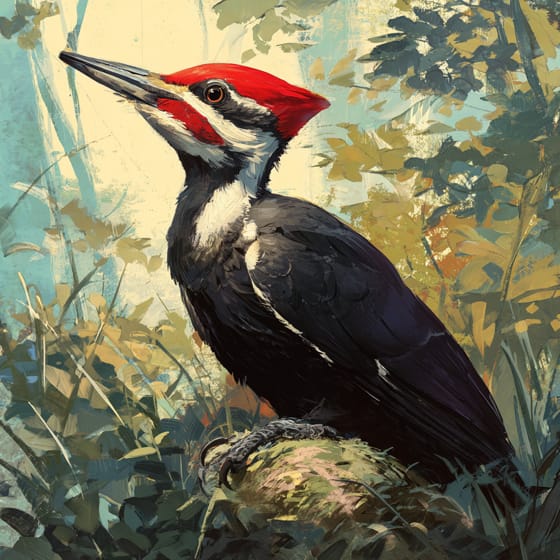
Dryocopus pileatus
Woodpeckers dig into nests to eat these ants.
Formica subsericea
These ants scavenge dead or hunt smaller ant species.
Furry describes animals possessing a dense covering of soft hair or fur.
Social animals live in organized groups, cooperating for survival benefits such as foraging, defense, and raising offspring.
This trait identifies organisms whose diet includes both plant and animal matter.
Describes organisms that break down dead organic material, recycling nutrients back into the ecosystem.

Forest habitats are terrestrial environments dominated by dense tree cover, supporting a high diversity of plant and animal life.

This trait characterizes organisms with an exceptionally long lifespan compared to others of their kind.

Diurnal animals are primarily active during daylight hours, typically resting or sleeping at night.
No aliases listed yet.
Danger
2/5 · Low
Don't disturb ant nests; they are busy working and can bite if scared.
The easiest way to identify Eastern Black Carpenter Ant is to use the Snappit nature identifier app.
20-25 mm
6-12 mm
365-5475 days
These ants enjoy a varied diet of sweet liquids and protein from other insects and carcasses.
Forests
Foraging
6
Zoom in to split clusters and explore where this object has been snapped.
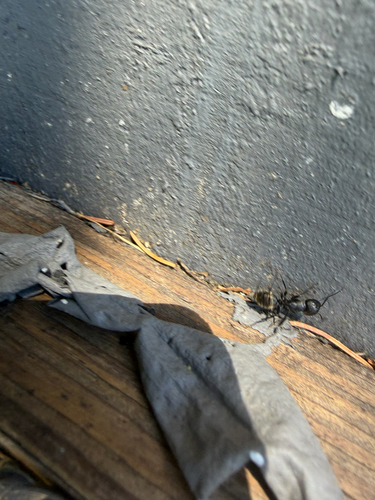
May 17, 2026
Bean Hill Historic DistrictPhoto attribution
(c) Sawyer Baran, some rights reserved (CC BY)
License: CC BY 4.0 ↗
Image may be shown cropped inside the card frame.

New Jersey, US
You might spot Garlic Mustard, Sensitive Fern, and Common Mugwort.
View guide →

Virginia, US
You might spot Cope's Gray Tree Frog and Basilica Orbweaver.
View guide →

Florida, US
You might spot Anole, Eastern Box Turtle, and Golden Silk Spider.
View guide →

Connecticut, US
You might spot Striped Wintergreen and Common Eastern Bumble Bee.
View guide →

Rhode Island, US
You might spot Spotted Lanternfly, Duck, and American Robin.
View guide →

Rhode Island, US
You might spot Spotted Lanternfly, Duck, and American Robin.
View guide →
Take the discovery with you
Snap it with Snappit to identify it, learn what makes it special, and add the discovery to your collection.







.jpg&width=800)



