





Dominican Anole
anolis oculatus
The Dominican Anole is a small and colorful lizard that can change its color to blend in with its surroundings. It loves to bask in the sun on tree branches and is often seen darting around in search of tasty insects.
Habitat: Tropical forests and gardens in the Dominican Republic.
The Dominican Anole is a small lizard with a slender body, often mottled with shades of green, brown, and gray. Males display a large, colorful throat fan (dewlap), which can be yellow, orange, or red.
Category
ReptilesRarity
Common
Danger
0/5 · No known danger
Snaps
Be the first to snap!
Each male lizard defends a small area, like his own private backyard, from other males.
Male Dominican Anoles perform push-ups and head-bobs to show off their strength!
Sometimes they drink water by licking dew drops off leaves in the morning sun.
They are found only on the Caribbean island of Dominica, nowhere else in the world!
Dominican Anole can change its skin color from light to dark because it helps them blend perfectly with their surroundings.
Dominican Anole has special scales on its toe pads that help them cling to almost any surface, even smooth leaves and glass.
Dominican Anole can flash a vibrant throat fan (dewlap) that helps them communicate with other anoles and attract mates.
Dominican Anole can detach its tail when caught by a predator, which helps them escape while the tail wiggles to distract.
They munch on tiny insects and spiders, sometimes even sipping on sweet nectar!
Alsophis sibonius
Hunts them among leaves and branches on the ground.
Formica fusca
Actively hunts ants on tree trunks and leaves.
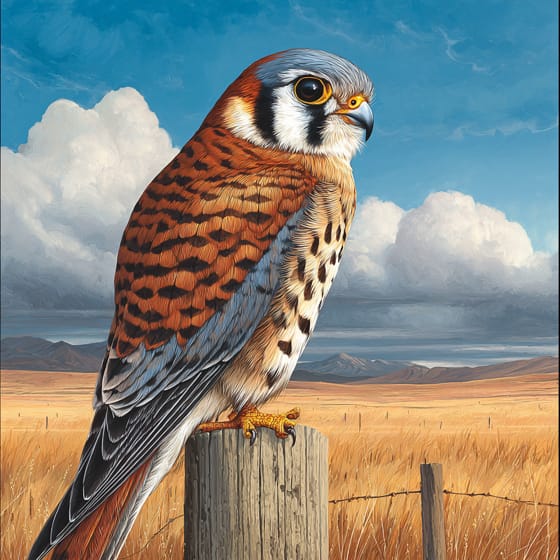
Falco sparverius
Raptors swoop down to catch anoles from above.
Solitary animals live alone for most of their lives, only interacting with others for mating or parental care.
Arboreal animals live primarily in trees, utilizing them for shelter, food, and protection from predators.
Colorful describes organisms or objects displaying a wide range of bright and distinct colors.
This trait identifies organisms whose diet consists entirely or primarily of animal tissue.

Diurnal animals are primarily active during daylight hours, typically resting or sleeping at night.
Danger
0/5 · No known danger
No special safety notes yet.
The easiest way to identify Dominican Anole is to use the Snappit nature identifier app.
15-25 cm
0.003-0.008 kg
2-5 years
10 km/h
They munch on tiny insects and spiders, sometimes even sipping on sweet nectar!
Tropical forests and gardens in the Dominican Republic.
Ambush
Zoom in to split clusters and explore where this object has been snapped.
Recent snaps will appear here as new observations are added.
Take the discovery with you
Snap it with Snappit to identify it, learn what makes it special, and add the discovery to your collection.













