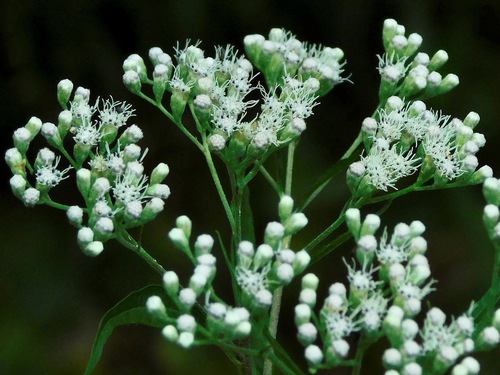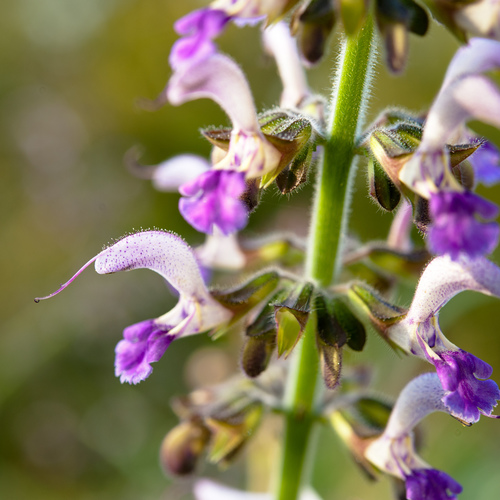





Drymosphace
Drymosphace
The Drymosphace is a playful little creature that loves to explore the woods! With its fluffy fur and curious nature, it’s always on the lookout for new adventures.
Habitat: Drymosphace lives in lush forests and grassy meadows.
The Drymosphace is a small, nimble mammal with large, reflective eyes and soft, mottled brown-green fur. Its long, bushy tail is often as long as its body, and it has distinctive white patches around its eyes and ears, giving it a masked appearance.
Category
PlantsRarity
Common
Danger
1/5 · Very low
Snaps
Be the first to snap!
A Drymosphace can hang upside down by its tail for several minutes without getting tired!
Drymosphace mothers often carry their young on their backs for the first few weeks of life!
Their reflective eyes glow bright green or red when caught in a beam of light at night, wow!
These clever creatures build cozy, spherical nests high in tree hollows using leaves and moss.
Drymosphace has incredibly large eyes with a reflective layer to see perfectly in the darkest forest nights.
Drymosphace can use its strong, grasping tail as an extra limb to hold onto branches and swing through trees.
Drymosphace has special glands that produce unique scents, helping them communicate and mark their territory.
Drymosphace can rotate its ankles nearly 180 degrees, allowing it to climb down trees headfirst with ease.
Drymosphace enjoys a tasty mix of tropical fruits, insects, and occasionally small treats from the forest floor.

Harpia harpyja
hunts Drymosphace from the canopy

Leopardus pardalis
is a nocturnal forest predator
Ficus insipida
enjoys its sweet, abundant fruits

Dynastes hercules
preys on insects in the forest
Furry describes animals possessing a dense covering of soft hair or fur.
Social animals live in organized groups, cooperating for survival benefits such as foraging, defense, and raising offspring.
This trait characterizes organisms whose diet consists entirely or primarily of plant material.
Diurnal animals are primarily active during daylight hours, typically resting or sleeping at night.
Nocturnal animals are primarily active during the nighttime hours, typically resting or sleeping during the day.
Danger
1/5 · Very low
Always observe wildlife from a distance.
Start with the whole plant, then compare leaf arrangement, leaf edges, stems and any flowers or fruit. Opposite leaves grow in pairs; alternate leaves come one at a time along the stem. These details tell you far more together than a single green leaf does. Plant Identifier: upload a photo and compare the visible details.
25-45 cm
0.8-2.5 kg
7-12 years
20 km/h
Drymosphace enjoys a tasty mix of tropical fruits, insects, and occasionally small treats from the forest floor.
Drymosphace lives in lush forests and grassy meadows.
Foraging
Zoom in to split clusters and explore where this object has been snapped.
Recent snaps will appear here as new observations are added.
Take the discovery with you
Snap it with Snappit to identify it, learn what makes it special, and add the discovery to your collection.