.JPG&width=800)





genet
Genetta
Genets are small, cat-like animals with long bodies and spotted fur. They are very good climbers and love to explore trees and bushes in their homes.
Habitat: Forests
The genet is a slender, cat-like mammal with soft, grey or tawny fur covered in distinctive black spots. It has a long, bushy tail with dark rings, often as long as its body. Its pointed muzzle and large eyes give it a unique, masked appearance.
Category
MammalsRarity
Common
Danger
3/5 · Moderate
Snaps
Be the first to snap!
A genet's semi-retractable claws help it grip branches like a pro.
Genets are found in many different places, from deep forests to even rocky mountains!
They make many different sounds, from purrs and meows to growls and hisses.
When a genet feels scared, it can stand its fur up to look bigger.
Genet can climb trees and navigate branches with ease because of its sharp claws and flexible body that help it hunt and escape predators.
Genet has large eyes with a special reflective layer that helps them see extremely well in the dark, making them expert nocturnal hunters.
Genet can move incredibly quietly and sneakily through thick vegetation, allowing it to ambush prey unnoticed in the dark.
Genets are adaptable eaters, munching on insects, small animals, fruits, and even eggs they find.

Rattus rattus
A frequent prey item in human-modified landscapes.
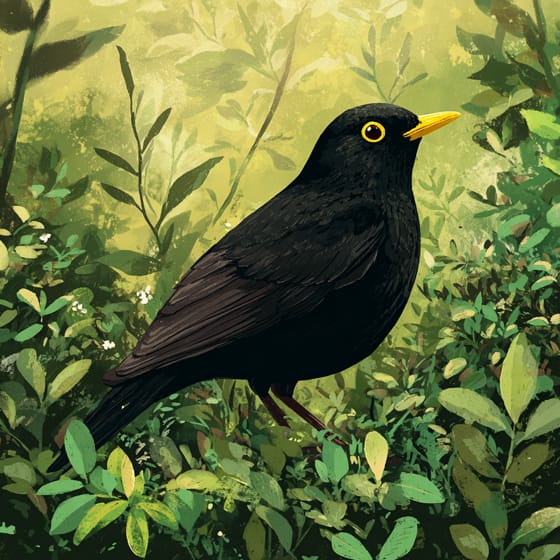
Turdus merula
Opportunistically hunts these ground-feeding birds.
Ficus sycomorus
Feeds on the sweet fruits, especially during dry seasons.

Panthera pardus
A significant predator, especially for younger or smaller genets.
Furry describes animals possessing a dense covering of soft hair or fur.
Marked with spots or patches of a different color.
Solitary animals live alone for most of their lives, only interacting with others for mating or parental care.
Arboreal animals live primarily in trees, utilizing them for shelter, food, and protection from predators.

An ambush predator hunts by patiently waiting and concealing itself, then launching a sudden attack when unsuspecting prey comes within range.

Forest habitats are terrestrial environments dominated by dense tree cover, supporting a high diversity of plant and animal life.

This trait identifies organisms whose diet consists entirely or primarily of animal tissue.

Nocturnal animals are primarily active during the nighttime hours, typically resting or sleeping during the day.
No aliases listed yet.
Danger
3/5 · Moderate
Genets are wild animals, so it's best to admire them from a distance.
The easiest way to identify genet is to use the Snappit nature identifier app.
42-55 cm
1-2.5 kg
8-13 years
32 km/h
Genets are adaptable eaters, munching on insects, small animals, fruits, and even eggs they find.
Forests
Ambush
Zoom in to split clusters and explore where this object has been snapped.
Recent snaps will appear here as new observations are added.
Take the discovery with you
Snap it with Snappit to identify it, learn what makes it special, and add the discovery to your collection.




.jpg&width=800)


.JPG&width=800)



.jpg&width=800)
