





Dunlin
Calidris alpina
The Dunlin is a small shorebird with a long, curved beak. They love to run along the beach and look for tiny creatures to eat. Their feathers change color with the seasons, making them look different throughout the year!
Habitat: Coastal areas
The Dunlin is a small shorebird with a slightly down-curved black bill. In summer, it has a reddish-brown back and a distinctive black belly patch. In winter, it becomes plainer, mostly grey-brown above and white below.
Category
BirdsRarity
Common
Danger
1/5 · Very low
Snaps
11
Dunlins can change their whole look, shedding old feathers for new ones twice a year!
During courtship, male Dunlins perform fancy aerial displays to attract a mate.
One Dunlin might travel over 10,000 kilometers each year just to migrate!
Their name might come from "dun," meaning brownish, and "ling," a small bird!
Dunlin can find hidden worms and crustaceans in the mud because their sensitive bills detect prey without seeing it.
Dunlin can fly in huge, swirling flocks called murmurations that help confuse predators and look amazing.
Dunlin has incredible stamina that helps them fly thousands of kilometers between their breeding and wintering grounds.
Dunlin can blend into its muddy or grassy surroundings because its mottled brown and grey feathers provide excellent camouflage.
Dunlins love to eat tiny critters they find hidden in the mud and sand, like worms and small insects.
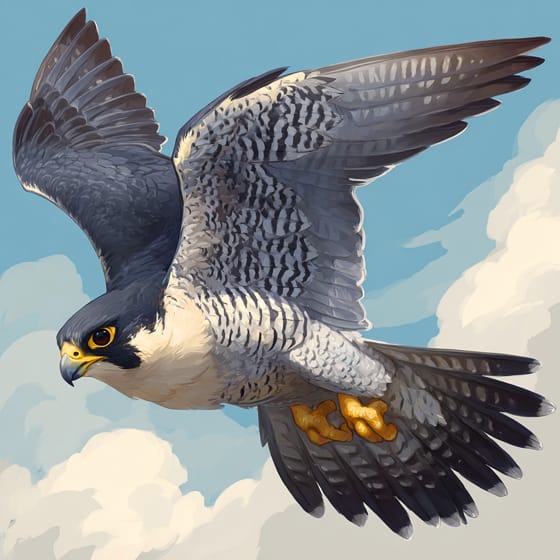
Falco peregrinus
Fast falcons hunt Dunlins mid-flight.
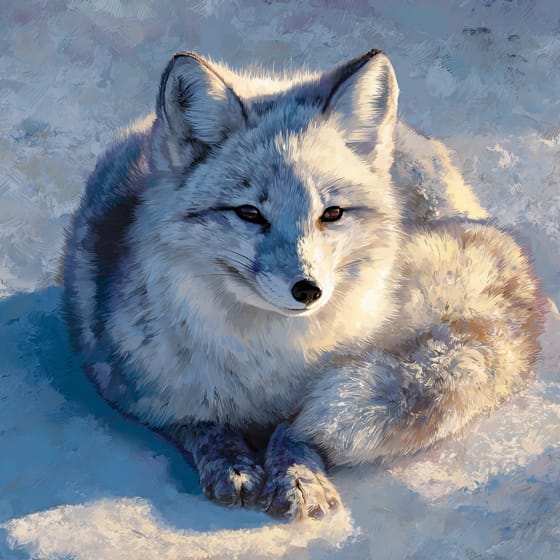
Vulpes lagopus
Arctic foxes hunt Dunlin nests and chicks on the tundra.
Nereis virens
Dunlins probe mudflats to find and eat ragworms.
Gammarus oceanicus
Dunlins forage for tiny crustaceans like Gammarus in shallow water.
Feathered describes animals, primarily birds, possessing a covering of feathers.
Social animals live in organized groups, cooperating for survival benefits such as foraging, defense, and raising offspring.
This trait identifies organisms whose diet primarily consists of insects and other small invertebrates.
Coastal habitats are dynamic environments located along the interface between land and sea, influenced by tides, waves, and saltwater.

This trait identifies organisms whose diet consists entirely or primarily of animal tissue.

This trait identifies organisms that exhibit exceptional swiftness in movement for hunting, escape, or travel.

Migratory animals undertake seasonal movements from one region to another, typically in response to changes in climate or food availability.
No aliases listed yet.
Danger
1/5 · Very low
Always watch birds from a distance and don't try to touch or chase them.
The easiest way to identify Dunlin is to use the Snappit nature identifier app.
16-22 cm
32-39 cm
0.04-0.08 kg
5-10 years
70 km/h
Dunlins love to eat tiny critters they find hidden in the mud and sand, like worms and small insects.
Coastal areas
Zoom in to split clusters and explore where this object has been snapped.

Michigan, US
You might spot Bald Eagle, American White Pelican, and Painted Turtle.
View guide →

Nouvelle-Aquitaine, FR
You might spot Greater Flamingo, Giraffes, and Red Panda.
View guide →

New Jersey, US
You might spot Purple Pitcher Plant and Pine Barren Gentian.
View guide →

Louisiana, US
You might spot Pectoral Sandpiper, Sprague's Pipit, and Anole.
View guide →

Connecticut, US
You might spot Common Mugwort and Eastern Gray Squirrel.
View guide →

New York, US
You might spot American Herring Gull, Brant, and Great Black-Backed Gull.
View guide →
Take the discovery with you
Snap it with Snappit to identify it, learn what makes it special, and add the discovery to your collection.




.jpg&width=800)








