





Common Loon
Gavia immer
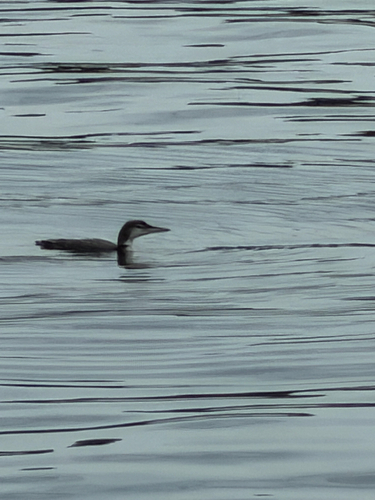
The Common Loon is a striking bird with a black-and-white spotted back! It loves to dive underwater to catch fish and is known for its eerie calls.
Habitat: Lakes and northern waters
The Common Loon has a sleek, torpedo-shaped body with a distinctive black head and bill, bright red eyes, and a striking black-and-white checkered back in breeding plumage. A white necklace band helps distinguish it from similar water birds.
Category
BirdsRarity
Common
Danger
2/5 · Low
Snaps
107
Baby loons ride on their parents' backs for safety and warmth!
Loons are famous for their eerie, haunting calls, including a yodel!
They build floating nests near the water's edge to protect their eggs!
Unlike most birds, loons have solid bones, not hollow, to help deep dives!
Common Loons can adjust their buoyancy by expelling air from their lungs, allowing them to sink silently underwater.
Common Loons have powerful legs placed far back on their bodies that help them propel through water at high speeds.
Common Loons can slow their heart rate and restrict blood flow to hold their breath for several minutes during dives.
Hungry hunters, Common Loons feast mainly on fish and other small aquatic creatures.
Age differences: Chicks start with aquatic insects, gradually shifting to small fish as they grow.
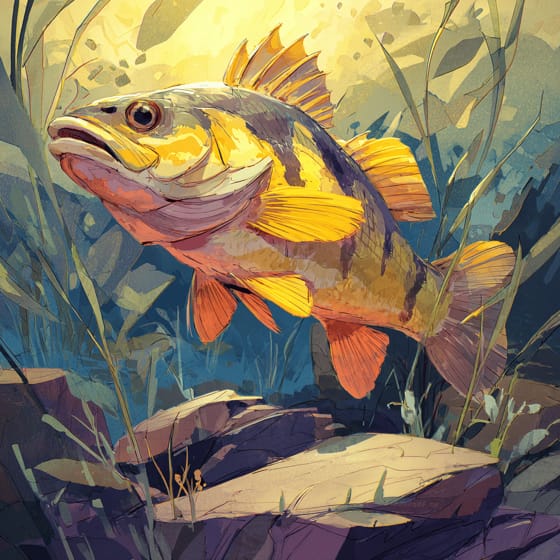
Perca flavescens
A primary food source in freshwater lakes.
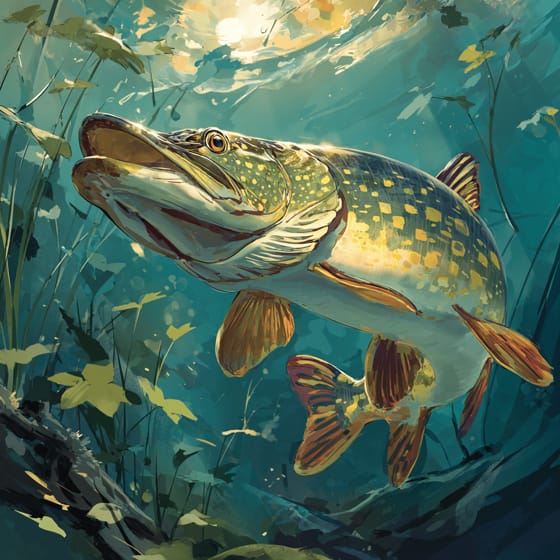
Esox lucius
Large pike can prey on young loon chicks.

Haliaeetus leucocephalus
Can predate on loon chicks or eggs.
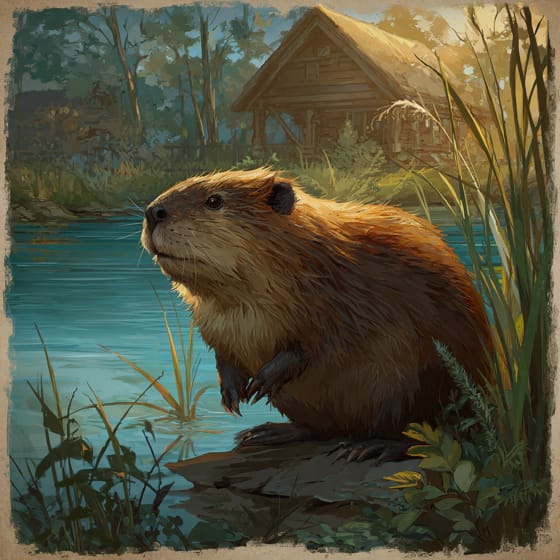
Castor canadensis
Beaver activity creates calm waters for nesting.
Wildlife encompasses all undomesticated animal and plant life existing in their natural habitats.
Feathered describes animals, primarily birds, possessing a covering of feathers.
Characterized by having toes connected by a membrane, typically aiding in swimming.
Singing animals produce complex vocalizations, often for purposes of attracting mates, defending territory, or communicating within their species.

Piscivorous organisms are animals that primarily subsist on a diet of fish.

Freshwater habitats include non-saline aquatic environments such as rivers, lakes, ponds, and wetlands, vital for numerous species.

Describes a species whose presence and role have a disproportionately large effect on its environment.

Migratory animals undertake seasonal movements from one region to another, typically in response to changes in climate or food availability.
Danger
2/5 · Low
Watch quietly from a distance and never try to feed or chase wild animals.
The easiest way to identify Common Loon is to use the Snappit nature identifier app.
61-100 cm
106-152 cm
2.7-6.4 kg
15-30 years
120 km/h
Hungry hunters, Common Loons feast mainly on fish and other small aquatic creatures.
Lakes and northern waters
Zoom in to split clusters and explore where this object has been snapped.
May 31, 2026
Connecticut College ArboretumPhoto attribution
(c) Sawyer Baran, some rights reserved (CC BY)
License: CC BY 4.0 ↗
Image may be shown cropped inside the card frame.

Ontario, CA
You might spot Canada Jay, American Beaver, and Black-Capped Chickadee.
View guide →

US
You might spot Firewheel, Domestic Horse, and Atlantic Horseshoe Crab.
View guide →

New York, US
You might spot Allegheny Mountain Dusky Salamander.
View guide →
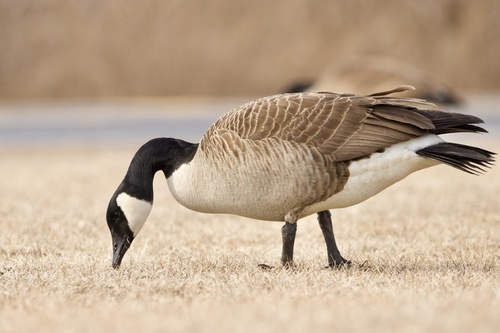
New York, US
You might spot Canada Goose and Atlantic Horseshoe Crab.
View guide →

Connecticut, US
You might spot Common Mugwort and Canada Goose.
View guide →
New Hampshire, US
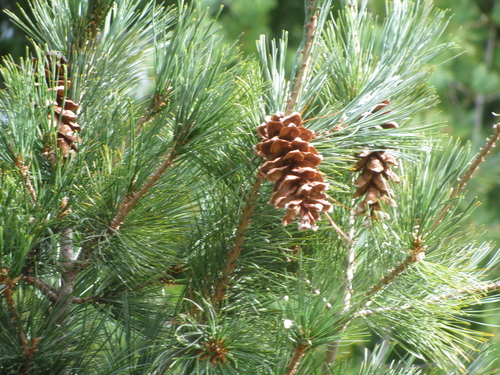
You might spot Eastern White Pine, Eastern Skunk Cabbage, and Duck.
View guide →
Take the discovery with you
Snap it with Snappit to identify it, learn what makes it special, and add the discovery to your collection.





.jpg&width=800)









