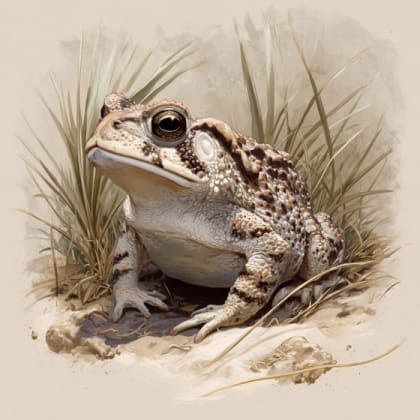
Eastern Box Turtle

The Batona Trail is a premier long-distance hiking path through New Jersey's unique Pinelands.
The Batona Trail is a premier long-distance hiking path through New Jersey's unique Pinelands.
This 53.5-mile trail, whose name is an acronym for "BAck TO NAture," carves its way through the vast, ecologically sensitive Pinelands National Reserve, offering an immersive journey into a landscape unlike any other. Hikers traverse diverse environments including ancient pine-oak forests, serene cedar swamps with their distinctive tea-colored waters, and historic cranberry bogs. The trail serves as a vital corridor for appreciating the Pinelands' unique flora and fauna, much of which is found nowhere else in the world, making it a truly special outdoor destination.
Along the Batona Trail, adventurers can discover a wealth of natural and historical wonders. Key highlights include the commanding views from the Apple Pie Hill fire tower, offering panoramic vistas across the forested expanse, and the historically significant Batsto Village, a preserved 19th-century industrial center. Hikers might spot white-tailed deer or various hawk species soaring overhead, while keen observers can find rare plants like wild orchids, carnivorous pitcher plants, and sundews that thrive in the acidic soil. The trail's path through former "ghost towns" and past historic markers, such as the Carranza Memorial, adds a rich cultural layer to the natural exploration.
Visiting the Batona Trail offers an unparalleled opportunity to unplug and connect with South Jersey's wild heart. Whether embarking on a multi-day backpacking trip or enjoying a scenic day hike, the trail provides a tranquil escape where the sounds of nature prevail. Its relatively flat, sandy terrain makes it accessible to a wide range of hikers, promising both solitude and breathtaking natural beauty that lingers in memory long after the journey ends. Explore the grounds like a pro—download the Snappit app to instantly identify animals and plants.
buffs
Hiking, nature photography, birdwatching, and enjoying the solitude of the Pinelands wilderness. In winter, conditions may allow for cross-country skiing or snowshoeing.
Spring: Witness the Pinelands come alive with new growth and blooming wildflowers, including various orchids and swamp azaleas.
Summer: Be prepared for heat, humidity, and abundant insects like ticks and mosquitoes. Exercise caution and take preventative measures.
Fall: Enjoy comfortable hiking temperatures and the changing foliage, with fewer bugs. Wild blueberries and huckleberries can be gathered in season.
Winter: Offers crisp air, clear views, and a quieter trail experience. The lack of foliage can make wildlife spotting easier.
The Batona Trail generally features flat and sandy terrain, making it an easy to moderate walk. However, it is primarily a wilderness hiking trail, and while some state forests it passes through may have accessible trails, the full Batona Trail itself is not universally wheelchair-accessible. It is designated for hiking only, prohibiting motor vehicles, bicycles, and horses.
Ascend to the fire tower for breathtaking 360-degree views of the Pinelands, and on clear days, both the Atlantic City and Philadelphia skylines.
Explore this preserved 19th-century iron-making and glass-making village, offering a glimpse into the region's rich history.
A monument dedicated to Mexican aviator Captain Emilio Carranza, marking the site of his tragic 1928 plane crash.
Experience the unique beauty of dense Atlantic White Cedar groves and the distinctive, tannin-stained waterways.
Each card links to a full Explore page with photos, traits, and fun facts.
Start with the big picture, then zoom in to explore individual wildlife observations around this place.
Carry Ample Water
The "tea-colored" water found in Pinelands streams, though scenic, is not safe for drinking without proper filtration due to high iron content and tannins. Bring more water than you think you'll need.
Download Maps
Cell service is notoriously unreliable in many parts of the Pinelands. Download detailed trail maps or carry physical maps and a compass/GPS device before heading out.
Wear Appropriate Footwear
The trail's sandy sections and occasional wet crossings necessitate good hiking shoes with ankle support.
Guard Against Insects
Especially during warmer months, ticks and mosquitoes can be prevalent. Use insect repellent, wear long pants, and conduct thorough tick checks after your hike.
Plan Camping Logistics
If backpacking, reserve your campsite permits well in advance and understand the check-in procedures at the relevant park offices. Be aware that official maps may not reflect recent reroutes, affecting mileage between camps.
Follow Pink Blazes
The trail is marked with distinctive pink blazes. Pay close attention to these markers, especially at trail junctions, as the path can sometimes turn sharply.
Jun 5, 2026
May 30, 2026
May 30, 2026
May 21, 2026
May 21, 2026

Maryland, US
You might spot White-Tailed Deer and Eastern Gray Squirrel.
View guide →
.jpg)
District of Columbia, US
You might spot Eastern Gray Squirrel, Duck, and House Sparrow.
View guide →

Illinois, US
You might spot American Robin, Canada Goose, and House Sparrow.
View guide →

Virginia, US
You might spot Spotted Lanternfly and Northern Cardinal.
View guide →
Take the discovery with you
Identify the wildlife you spot, learn as you go, and keep a collection of the adventure.