





Dwarf Dangleberry
Gaylussacia nana
The Dwarf Dangleberry is a small, sweet fruit bush that grows close to the ground. Its berries are tasty and can be enjoyed by both animals and people!
Habitat: Forests
The Dwarf Dangleberry is a low-growing shrub featuring small, oval leaves that turn reddish in autumn. Its tiny, bell-shaped flowers are typically pinkish-white, producing glossy dark blue-black berries that 'dangle' beneath the foliage.
Category
PlantsRarity
Common
Danger
1/5 · Very low
Snaps
Be the first to snap!
Early settlers sometimes called them "huckleberries" due to their similarity.
Its berries taste tangy and sweet, perfect for making jams or pies!
Some animals rely on its berries for food right before winter hits.
This plant's leaves can turn a fiery red, making forests super colorful!
Dwarf Dangleberry can thrive in sandy, poor soils because it has tough roots that extract nutrients efficiently.
This plant has a waxy coating on its leaves, which helps it conserve water and survive dry conditions.
Dwarf Dangleberry can spread quickly underground using rhizomes, forming dense, protective colonies.
Bombus impatiens
Visits its flowers for nectar and pollen.
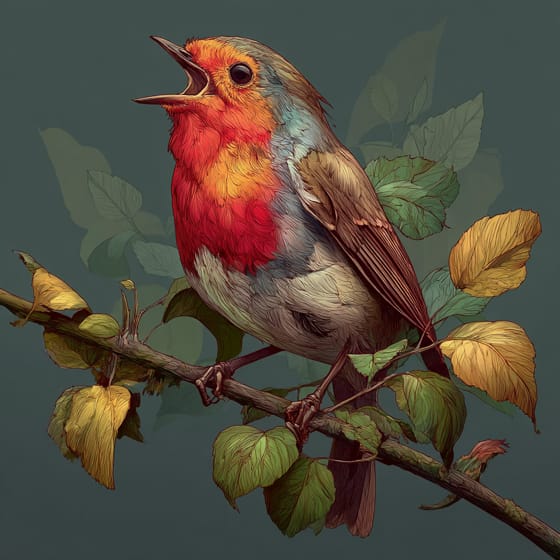
Turdus migratorius
Eats its ripe, juicy berries.
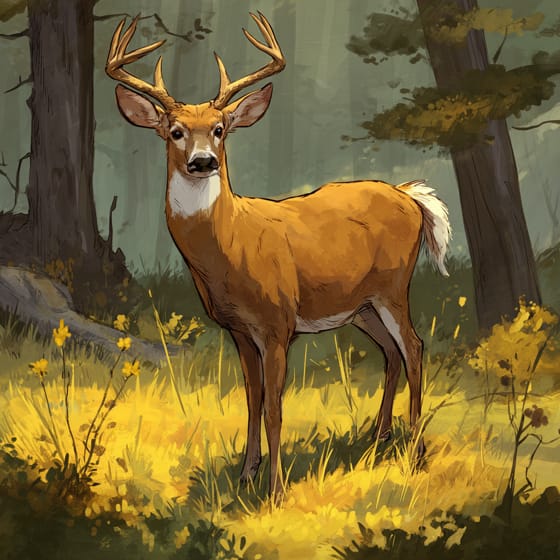
Odocoileus virginianus
Browses its leaves and twigs.
Ursus americanus
Feasts on the abundant berries.
Shade tolerant plants are adapted to grow and thrive in areas with low light levels, requiring less direct sunlight.
A shrub is a woody plant smaller than a tree, typically with multiple stems branching from or near the ground.
Fruit-bearing plants produce fruits, which are the mature ovaries of flowering plants containing seeds.
Edible plants are those parts of a plant that are considered safe for human consumption.

Forest habitats are terrestrial environments dominated by dense tree cover, supporting a high diversity of plant and animal life.
No aliases listed yet.
Danger
1/5 · Very low
Always check with an adult before eating any berries you find in nature.
The easiest way to identify Dwarf Dangleberry is to use the Snappit nature identifier app.
15-60 cm
30-90 cm
0.5-1 cm
Spring_to_early_summer
Yes
None
Perennial
Zoom in to split clusters and explore where this object has been snapped.
Recent snaps will appear here as new observations are added.
Take the discovery with you
Snap it with Snappit to identify it, learn what makes it special, and add the discovery to your collection.








.jpg&width=800)



_001.jpg&width=800)


