





Elderberry
Sambucus nigra
Elderberry is a bush with clusters of tiny white flowers and dark berries. It's known for making yummy jams!
Habitat: Woodlands and riverbanks
The Elderberry has large, flat-topped clusters of tiny, creamy-white flowers that mature into abundant bunches of small, dark purple-black berries. Its leaves are typically green and compound, giving the shrub a dense, leafy appearance distinct from single-leafed shrubs.
Category
PlantsRarity
Common
Danger
1/5 · Very low
Snaps
Be the first to snap!
Elderberries have been used to create beautiful purple and blue dyes for fabrics.
Hollow elderberry stems were traditionally used to make flutes and whistles!
Some ancient cultures believed elder trees could ward off evil spirits.
The tiny flowers are so fragrant, they can be used to make delicious cordials.
Elderberry produces many sweet berries that attract birds, helping it spread its seeds far and wide.
Elderberry can grow quickly, allowing it to rapidly colonize open spaces and capture sunlight.
This plant has compounds that can deter pests and are used in traditional remedies.
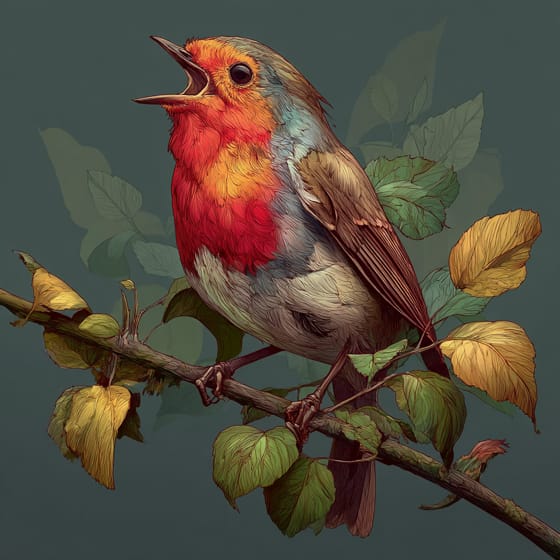
Turdus migratorius
Feasts on ripe, dark purple elderberries.
Apis mellifera
Collects nectar and pollen from the abundant flowers.

Odocoileus virginianus
Browses on the leaves and tender new shoots.
Deciduous plants periodically shed all their leaves, typically during autumn or dry seasons.
A shrub is a woody plant smaller than a tree, typically with multiple stems branching from or near the ground.
Fragrant flowers emit a pleasant aroma, often to attract pollinators or for defense.
Fruit-bearing plants produce fruits, which are the mature ovaries of flowering plants containing seeds.

Medicinal plants possess chemical compounds that can be used for therapeutic purposes to treat illnesses or maintain health.

Edible plants are those parts of a plant that are considered safe for human consumption.

Forest habitats are terrestrial environments dominated by dense tree cover, supporting a high diversity of plant and animal life.
Danger
1/5 · Very low
Explore with care and ask an adult if you’re unsure what to do.
The easiest way to identify Elderberry is to use the Snappit nature identifier app.
200-600 cm
200-600 cm
0.3-0.5 cm
Late spring to early summer
Yes
Mild
Perennial
Zoom in to split clusters and explore where this object has been snapped.
Recent snaps will appear here as new observations are added.
Take the discovery with you
Snap it with Snappit to identify it, learn what makes it special, and add the discovery to your collection.







.jpg&width=800)


_001.jpg&width=800)



