





Dwarf Lupine
lupinus lepidus
The Dwarf Lupine is a tiny, colorful flower that loves to bloom in sunny places! It's a great plant for butterflies and bees who come to visit it.
Habitat: It lives in rocky, sunny areas, often found in meadows and mountainous regions.
The Dwarf Lupine has dense, silvery-green, palm-shaped leaves covered in fine hairs, forming a compact mound. It sports striking, upright spikes of small, pea-like flowers, typically in shades of vibrant purple to blue, making it stand out in meadows.
Category
PlantsRarity
Common
Danger
0/5 · No known danger
Snaps
1
Bumblebees love Dwarf Lupine! They are important pollinators, often seen buzzing around its purple flower spikes.
Its name 'Lupinus' comes from 'lupus' (wolf), as people once thought it 'wolfed' nutrients from the soil!
Native Americans historically used parts of lupine plants for dyes, medicine, and sometimes even food after careful processing.
Wild Dwarf Lupine seeds can remain dormant for many years, waiting for just the right conditions to sprout!
Dwarf Lupine can fix nitrogen from the air into the soil, acting like a natural fertilizer for other plants around it.
Dwarf Lupine has tiny hairs on its leaves and stems that help it conserve water and protect itself from harsh sunlight.
Dwarf Lupine seeds are held in pods that can burst open to fling seeds far away, helping new plants grow.
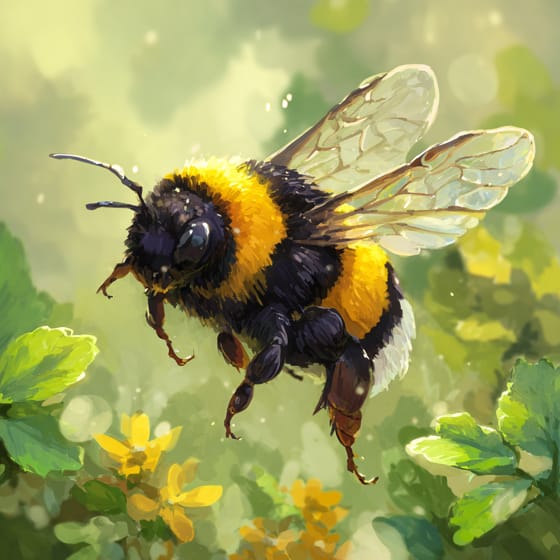
Bombus appositus
Transfers pollen between flowers
Rhizobium leguminosarum
Helps fix nitrogen in soil
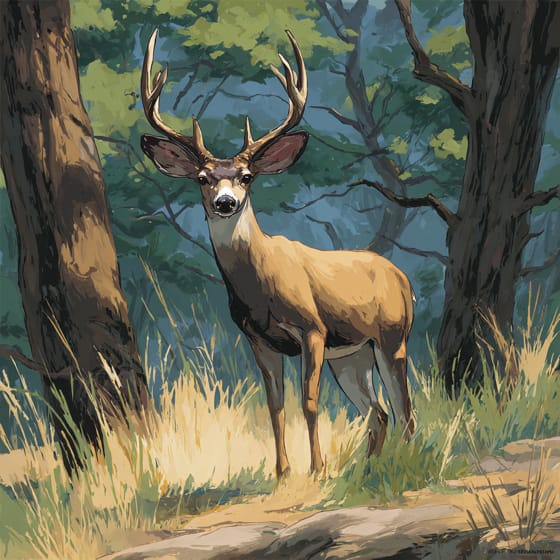
Odocoileus hemionus
Browses on leaves and stems
Colorful describes organisms or objects displaying a wide range of bright and distinct colors.
Grassland habitats are terrestrial biomes dominated by grasses and herbaceous plants, supporting a variety of grazing animals.
This trait characterizes organisms whose diet consists entirely or primarily of plant material.
Diurnal animals are primarily active during daylight hours, typically resting or sleeping at night.

Describes organisms that transfer pollen, enabling the fertilization and reproduction of plants.
Danger
0/5 · No known danger
No special safety notes yet.
The easiest way to identify Dwarf Lupine is to use the Snappit nature identifier app.
10-40 cm
15-30 cm
1-2 cm
Late spring to summer
No
Moderate
Perennial
Zoom in to split clusters and explore where this object has been snapped.
Take the discovery with you
Snap it with Snappit to identify it, learn what makes it special, and add the discovery to your collection.










.jpg&width=800)



_001.jpg&width=800)




