





Dyslobus
Dyslobus
Dyslobus is a special type of insect that loves to hide in the leaves. It has a unique shape and color that helps it blend in with its surroundings, making it a master of disguise!
Habitat: Forests
The Dyslobus is a small to medium-sized beetle, often with a glossy, dark exoskeleton that can range from deep brown to metallic green. Its shell may feature subtle iridescent patterns or small ridges, making it visually distinct from smoother-shelled insects.
Category
InsectsRarity
Common
Danger
1/5 · Very low
Snaps
Be the first to snap!
Its antennae are covered in tiny sensors that help it 'smell' its favorite plants from far away!
This insect can be found in a surprising variety of habitats, from forests to even some deserts!
When threatened, some Dyslobus species can produce a squeaking sound by rubbing parts of their body together!
Young Dyslobus larvae sometimes live underground for a year or more before they become adult beetles!
Dyslobus has specialized glands that release a foul-smelling liquid, which helps them deter hungry predators.
Dyslobus can climb smooth surfaces, even upside down, because of microscopic hairs on its feet that create strong adhesion.
Dyslobus has powerful legs that allow them to quickly drop from leaves and play dead, surprising attackers.
Dyslobus mostly eats plants, munching on leaves and sometimes fruit to get energy.
Age differences: Larvae typically consume decaying plant matter or roots, while adults feed on living plant parts.
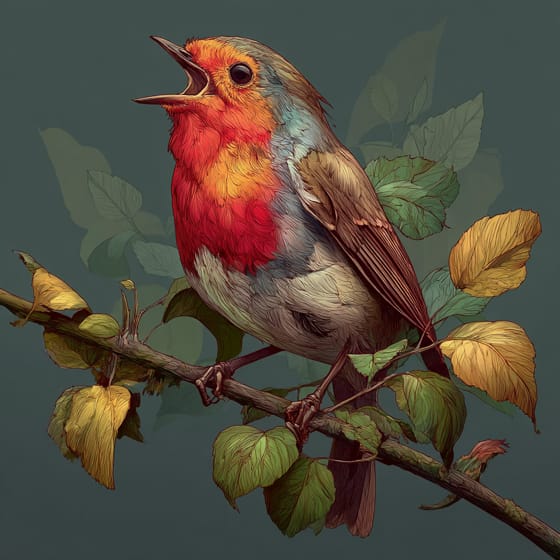
Turdus migratorius
Robins often forage for Dyslobus on the ground or in low vegetation.
Argiope aurantia
Dyslobus can get caught in the webs of garden spiders.
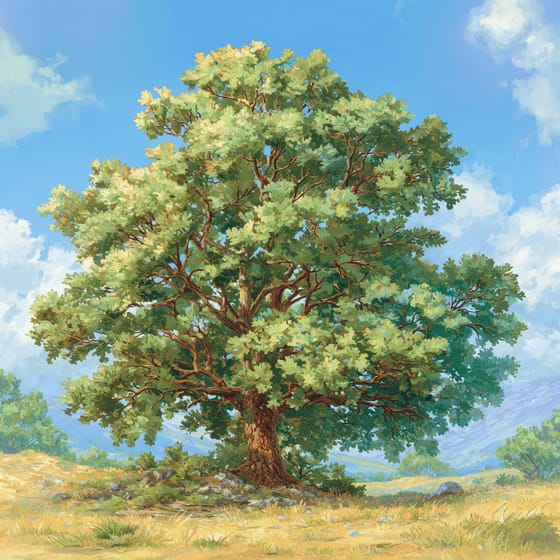
Quercus alba
Adult Dyslobus often feed on the leaves of oak trees.
Rosa gallica
Dyslobus can sometimes be found feeding on rose leaves and petals.
Solitary animals live alone for most of their lives, only interacting with others for mating or parental care.
Camouflaged describes organisms that possess coloring or patterns that allow them to blend into their environment.
This trait characterizes organisms whose diet consists entirely or primarily of plant material.
Forest habitats are terrestrial environments dominated by dense tree cover, supporting a high diversity of plant and animal life.

Pertaining to species that are significantly smaller than typical or average for their kind.

This trait identifies organisms that exhibit exceptional swiftness in movement for hunting, escape, or travel.

Describes organisms that transfer pollen, enabling the fertilization and reproduction of plants.
No aliases listed yet.
Danger
1/5 · Very low
Always look but don't touch insects, as some can be delicate or might bite.
The easiest way to identify Dyslobus is to use the Snappit nature identifier app.
10-25 mm
5-15 mm
45-90 days
5 km/h
Dyslobus mostly eats plants, munching on leaves and sometimes fruit to get energy.
Forests
Foraging
Zoom in to split clusters and explore where this object has been snapped.
Recent snaps will appear here as new observations are added.
Take the discovery with you
Snap it with Snappit to identify it, learn what makes it special, and add the discovery to your collection.








.jpg&width=800)



