





Early Thorn
Selenia dentaria
The Early Thorn is a special moth that looks like a little piece of bark! It has beautiful, soft wings that help it hide in trees and bushes during the day.
Habitat: Forests
The Early Thorn has jagged, thorn-like wings, usually pale yellow to reddish-brown with a distinct white or dark band across the forewings. This unique wing shape helps it blend seamlessly with dead leaves or twigs, making it hard to spot.
Category
InsectsRarity
Common
Danger
1/5 · Very low
Snaps
Be the first to snap!
Adult Early Thorns don't eat anything at all, they live off energy from their caterpillar days!
Early Thorns can have two generations in a year, one in spring and another in summer!
Its jagged wing edges perfectly mimic a broken twig, making it vanish!
This moth earned its name because it's one of the first moths seen in spring.
Early Thorn has jagged, thorn-shaped wings that help them perfectly camouflage against dead twigs and bark to hide from predators.
Early Thorn can overwinter as a pupa, protected in its cocoon, allowing them to emerge early in spring.
Early Thorn can complete its life cycle twice in one year, resulting in two generations of moths in spring and summer.
Caterpillars munch on tree leaves, but adult moths do not eat at all!
Age differences: Only caterpillars eat; adults do not feed, relying on energy stored from their larval stage.
%2C_Parc_de_Woluw%C3%A9%2C_Brussels_(13042792905).jpg&width=800)
Parus major
Birds prey on both caterpillars and adult moths.
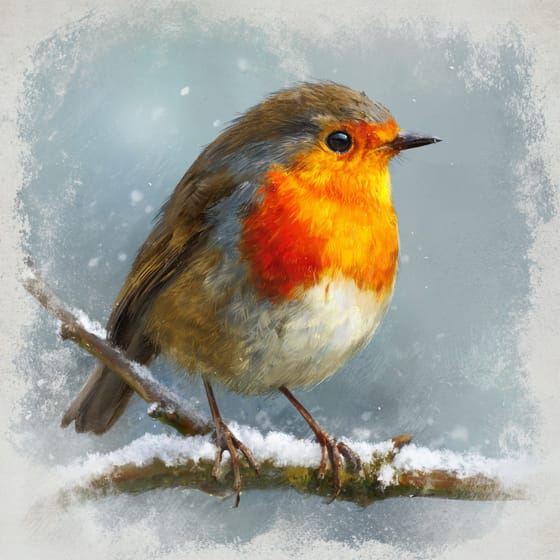
Erithacus rubecula
Robins are common predators of many insects, including moths.
Crataegus monogyna
Caterpillars feed on the leaves of this common tree.
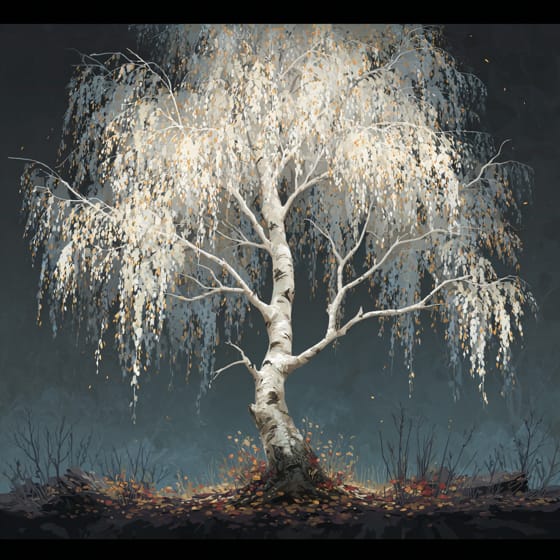
Betula pendula
Young caterpillars consume the foliage of birch trees.
Solitary animals live alone for most of their lives, only interacting with others for mating or parental care.
Camouflaged describes organisms that possess coloring or patterns that allow them to blend into their environment.
This trait characterizes organisms whose diet consists entirely or primarily of plant material.
Forest habitats are terrestrial environments dominated by dense tree cover, supporting a high diversity of plant and animal life.

Possessing sharp, pointed projections or spines on the body or surface.

Nocturnal animals are primarily active during the nighttime hours, typically resting or sleeping during the day.

Describes organisms that transfer pollen, enabling the fertilization and reproduction of plants.
No aliases listed yet.
Danger
1/5 · Very low
Don't touch moths, as they can be delicate and might fly away quickly.
The easiest way to identify Early Thorn is to use the Snappit nature identifier app.
30-45 mm
15-20 mm
7-14 days
Caterpillars munch on tree leaves, but adult moths do not eat at all!
Forests
Foraging
6
Zoom in to split clusters and explore where this object has been snapped.
Recent snaps will appear here as new observations are added.
Take the discovery with you
Snap it with Snappit to identify it, learn what makes it special, and add the discovery to your collection.








.jpg&width=800)



