




Earwigs
Dermaptera
Earwigs are small insects with pincers on their tails. They like to hide in dark, damp places and are often found in gardens. They are harmless and help keep gardens healthy by eating dead plants and pests.
Habitat: Gardens
The Earwigs has a flattened, elongated body, typically reddish-brown to dark brown. Its most distinctive feature is a pair of prominent, pincer-like appendages called cerci at its rear, which vary in shape between sexes and species.
Category
InsectsRarity
Common
Danger
1/5 · Very low
Snaps
Be the first to snap!
Baby earwigs, called nymphs, look just like tiny adults but without fully developed wings!
Despite their name, earwigs do not try to crawl into human ears!
Mother earwigs meticulously clean their eggs to prevent fungus from growing on them.
Some earwigs can spray a foul-smelling liquid to scare away hungry predators.
Earwigs has strong pincer-like cerci that help them defend against predators and even catch small prey.
Earwigs has a flattened body that helps them squeeze into tiny cracks and under objects to hide or find food.
Earwigs can guard their eggs and young nymphs, protecting them from dangers, a rare trait for insects.
Earwigs has intricately folded fan-shaped wings that helps them achieve flight, despite their short wing covers.
Earwigs are omnivores, munching on decaying plants, small insects, and some fresh greens.
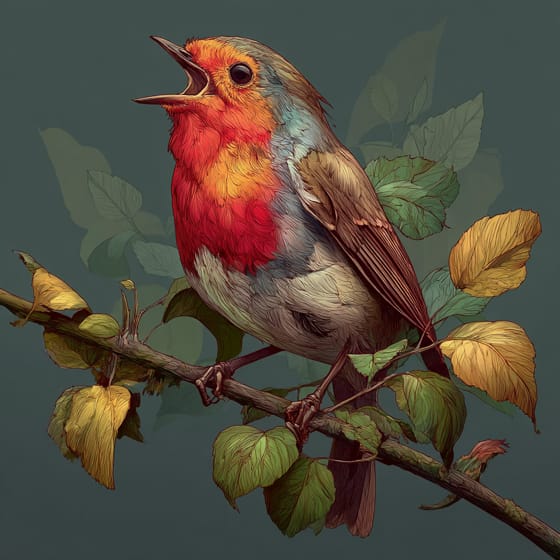
Turdus migratorius
A common bird that hunts and eats earwigs.
Araneus diadematus
Spiders catch earwigs in their webs or ambush them.
Aphis gossypii
Earwigs actively hunt and feed on various aphid species.
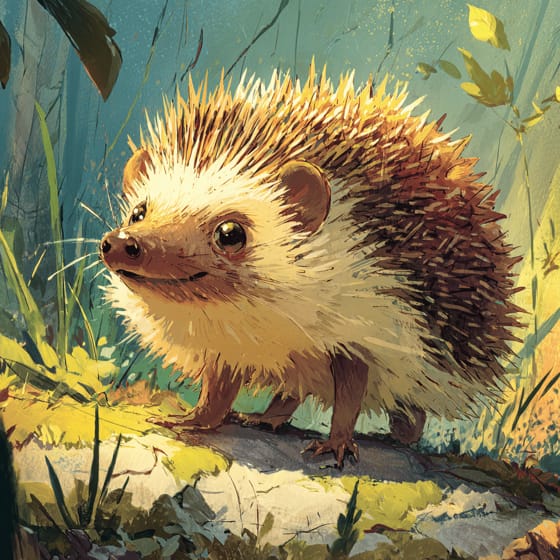
Erinaceus europaeus
Nocturnal hedgehogs frequently forage for earwigs as food.
Solitary animals live alone for most of their lives, only interacting with others for mating or parental care.
This trait identifies organisms whose diet includes both plant and animal matter.
Scavengers consume dead organic matter, helping to decompose carcasses and other waste in the ecosystem.
This trait identifies organisms whose diet primarily consists of insects and other small invertebrates.

Describes organisms that break down dead organic material, recycling nutrients back into the ecosystem.

Pertaining to species that are significantly smaller than typical or average for their kind.

This habitat trait indicates species that can coexist with humans in urban and suburban environments, utilizing man-made structures and green spaces.

Nocturnal animals are primarily active during the nighttime hours, typically resting or sleeping during the day.
No aliases listed yet.
Danger
1/5 · Very low
Earwigs are not dangerous, but it's best to observe them from a distance.
The easiest way to identify Earwigs is to use the Snappit nature identifier app.
10-50 mm
5-50 mm
180-365 days
5 km/h
Earwigs are omnivores, munching on decaying plants, small insects, and some fresh greens.
Gardens
Foraging
Zoom in to split clusters and explore where this object has been snapped.
Recent snaps will appear here as new observations are added.
Take the discovery with you
Snap it with Snappit to identify it, learn what makes it special, and add the discovery to your collection.









.jpg&width=800)




