





East African Spiny-Tailed Lizard
cordylus tropidosternum
The East African Spiny-Tailed Lizard is a fun and spiky little creature! It loves to bask in the sun and can often be found sunning itself on rocks.
Habitat: They live in dry, rocky areas and grasslands of East Africa.
The East African Spiny-Tailed Lizard has a flattened body covered in rough, keeled scales, giving it a somewhat bumpy texture. Its most striking feature is its robust, spiny tail. Typically dull brown or grey, it often has a lighter, yellowish underside.
Category
ReptilesRarity
Common
Danger
1/5 · Very low
Snaps
Be the first to snap!
If caught by a predator, they can drop their tail to escape!
Their tough scales act like armor, protecting them from danger.
These lizards love to sunbathe on rocks to warm up their bodies!
They give birth to live babies, not eggs, which is rare for lizards!
East African Spiny-Tailed Lizard has a spiky tail that helps them wedge into rock crevices for defense.
East African Spiny-Tailed Lizard can bask in the sun to warm its body, which helps them move quickly.
East African Spiny-Tailed Lizard has tough, keeled scales that help them protect against scratches and predators.
These lizards munch on insects, small invertebrates, and various types of plant matter!
Aquila rapax
hunted by birds of prey
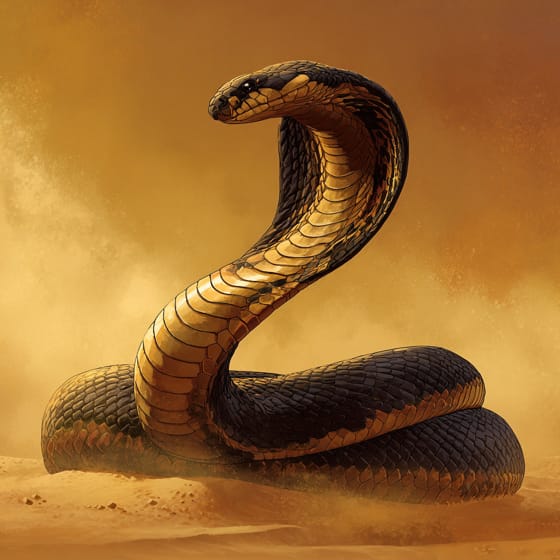
Naja haje
preyed upon by snakes
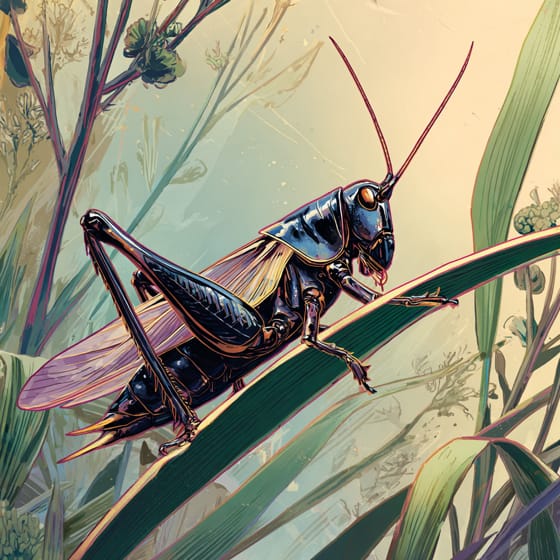
Gryllus assimilis
preys on various insects
Tenebrio molitor
eats larval forms of insects
Solitary animals live alone for most of their lives, only interacting with others for mating or parental care.
Colorful describes organisms or objects displaying a wide range of bright and distinct colors.
This trait identifies organisms whose diet consists entirely or primarily of animal tissue.
Diurnal animals are primarily active during daylight hours, typically resting or sleeping at night.
Danger
1/5 · Very low
Always watch lizards from a distance and do not try to pick them up.
The easiest way to identify East African Spiny-Tailed Lizard is to use the Snappit nature identifier app.
15-20 cm
0.02-0.05 kg
5-10 years
12 km/h
These lizards munch on insects, small invertebrates, and various types of plant matter!
They live in dry, rocky areas and grasslands of East Africa.
Foraging
Zoom in to split clusters and explore where this object has been snapped.
Recent snaps will appear here as new observations are added.
Take the discovery with you
Snap it with Snappit to identify it, learn what makes it special, and add the discovery to your collection.














