Eastern Elliptio
elliptio complanata
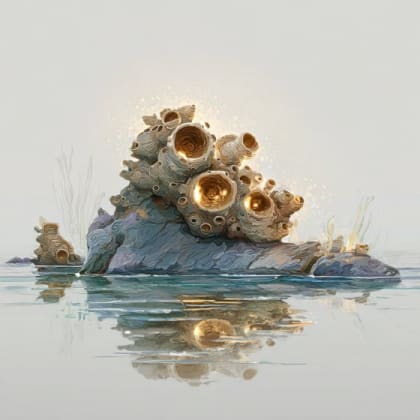
The Eastern Elliptio is a type of freshwater mussel that can be found in rivers and streams. They help keep the water clean by filtering out tiny particles!
Habitat: Freshwater rivers and streams
The Eastern Elliptio has a flattened, elongated oval shell that's usually dark brown, black, or greenish-brown. It often shows faint growth rings. Its shape is more compressed and less inflated than many other freshwater mussels.
Category
InvertebrateRarity
Common
Danger
0/5 · No known danger
Snaps
Be the first to snap!
The inside of their shells can be a beautiful pearly white, sometimes even purple!
Their shells grow a new ring each year, like the rings on a tree trunk!
These mussels don't have eyes or a brain, but they can still sense their world!
They can pull themselves slowly along the bottom using just one strong muscular foot!
Eastern Elliptio can clean water by constantly filtering out tiny particles because their gills act like a natural sieve, helping them find food.
Eastern Elliptio has larvae that can hitch a ride on fish gills that helps them travel to new places and spread out in the river.
Eastern Elliptio can tightly close its two strong shells that helps them protect against predators and survive dry periods.
They filter tiny bits of algae and bacteria from the water for food.
Solitary animals live alone for most of their lives, only interacting with others for mating or parental care.
Filter feeders obtain nutrients by straining suspended food particles and small organisms from water.
This trait characterizes organisms whose diet consists entirely or primarily of plant material.
Aquatic habitats encompass environments where organisms live predominantly in water, including oceans, rivers, lakes, and wetlands.
Danger
0/5 · No known danger
No special safety notes yet.
The easiest way to identify Eastern Elliptio is to use the Snappit nature identifier app.
7 cm
10 years
They filter tiny bits of algae and bacteria from the water for food.
Freshwater rivers and streams
Filter Feeding
Zoom in to split clusters and explore where this object has been snapped.
Recent snaps will appear here as new observations are added.
Take the discovery with you
Snap it with Snappit to identify it, learn what makes it special, and add the discovery to your collection.