



Brown-lipped Snail
Cepaea nemoralis
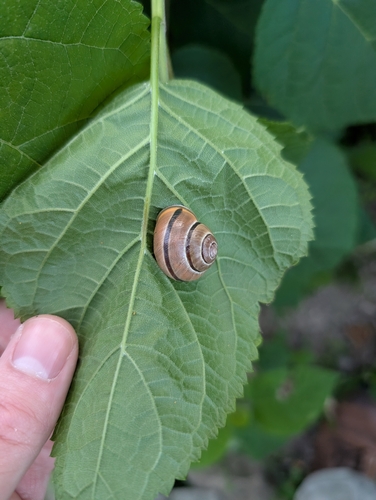
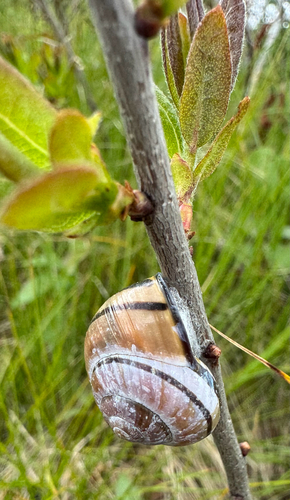
The Brown-lipped Snail is a small, friendly snail with a beautiful shell that has a brown lip. These snails love to munch on leaves and can be found in gardens and forests.
Habitat: Forests
The Brown-lipped Snail has a rounded shell, often yellow, pink, or brown, with up to five dark spiral bands. A key feature is the dark brown 'lip' on the inside edge of its shell opening, making it distinct from many other garden snails.
Category
InvertebrateRarity
Common
Danger
1/5 · Very low
Snaps
27
Snails are hermaphrodites, meaning each snail has both boy and girl parts!
Some snails can live longer than your pet dog, up to 10 years!
Their eyes are on the tip of their longer tentacles, helping them see movement!
They have thousands of tiny 'teeth' on a special tongue called a radula!
Brown-lipped Snails can change their shell color and banding patterns because this helps them blend into different environments.
The Brown-lipped Snail creates a slimy mucus trail that helps them glide over rough surfaces and reduces friction.
Brown-lipped Snails can repair small cracks in their shell because it helps protect their soft body from harm.
Brown-lipped Snails can seal themselves inside their shell for months to survive harsh weather conditions by forming a special lid.
Snails are nature's recyclers, munching on decaying plants and algae to keep things tidy.
Turdus merula
A common bird predator.
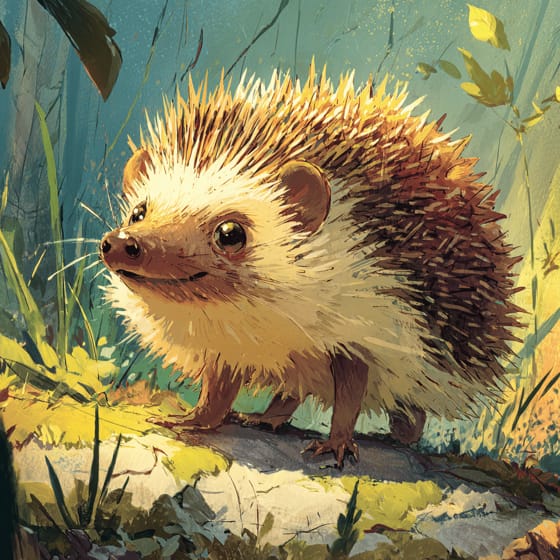
Erinaceus europaeus
Enjoys eating snails at night.
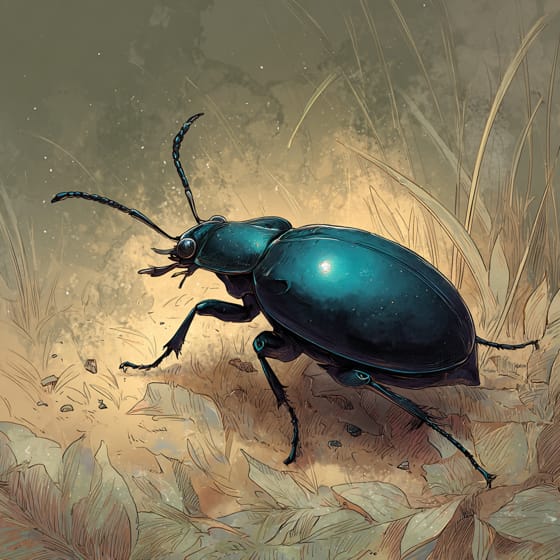
Carabus nemoralis
Some beetles hunt these snails.
Marked with spots or patches of a different color.
Social animals live in organized groups, cooperating for survival benefits such as foraging, defense, and raising offspring.
Solitary animals live alone for most of their lives, only interacting with others for mating or parental care.
Colorful describes organisms or objects displaying a wide range of bright and distinct colors.

This trait characterizes organisms whose diet consists entirely or primarily of plant material.

Describes organisms that break down dead organic material, recycling nutrients back into the ecosystem.

Forest habitats are terrestrial environments dominated by dense tree cover, supporting a high diversity of plant and animal life.

This trait characterizes organisms with an exceptionally long lifespan compared to others of their kind.

Diurnal animals are primarily active during daylight hours, typically resting or sleeping at night.
No aliases listed yet.
Danger
1/5 · Very low
Always wash your hands after touching snails, as they can carry germs.
The easiest way to identify Brown-lipped Snail is to use the Snappit nature identifier app.
18-25 mm
730-2920 days
Snails are nature's recyclers, munching on decaying plants and algae to keep things tidy.
Forests
Grazing
Zoom in to split clusters and explore where this object has been snapped.
May 29, 2026
Archwood Avenue Historic DistrictPhoto attribution
(c) Gustav JK Golden, some rights reserved (CC BY)
License: CC BY 4.0 ↗
Image may be shown cropped inside the card frame.
May 28, 2026
Slocum's River ReservePhoto attribution
no rights reserved
License: CC0 1.0 ↗
Image may be shown cropped inside the card frame.

Rhode Island, US
You might spot Rugosa Rose and American Herring Gull.
View guide →

Washington, US
You might spot Pacific Tree Frog and Long-Toed Salamander.
View guide →

New Jersey, US
You might spot Brant, Laughing Gull, and Great Black-Backed Gull.
View guide →

Washington, US
You might spot Pacific Banana Slug and Oregon Forestsnail.
View guide →

New Jersey, US
You might spot Eastern Gray Squirrel and Canada Goose.
View guide →

Washington, US
You might spot Bigleaf Maple, Mule Deer, and Oregon Grape.
View guide →
Take the discovery with you
Snap it with Snappit to identify it, learn what makes it special, and add the discovery to your collection.