Atlantic Ribbed Mussel
geukensia demissa
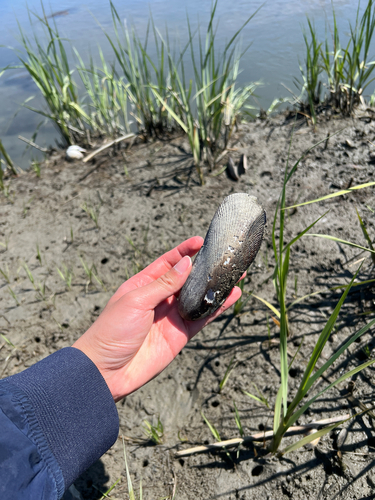
The Atlantic Ribbed Mussel is a cool little creature that helps clean the water by filtering out tiny particles! They have unique ribbed shells that make them look super interesting!
Habitat: They live in shallow coastal waters and estuaries along the Atlantic coast.
The Atlantic Ribbed Mussel has an elongated, dark brown to purplish-black shell, often eroded with age. Its distinguishing feature is the series of prominent, concentric ribs running across its surface, giving it a corrugated texture. This ribbed texture makes it visually different from smoother mussel species.
Category
InvertebrateRarity
Common
Danger
0/5 · No known danger
Snaps
4
A single mussel can filter over a gallon of water every hour, making water sparkling clean!
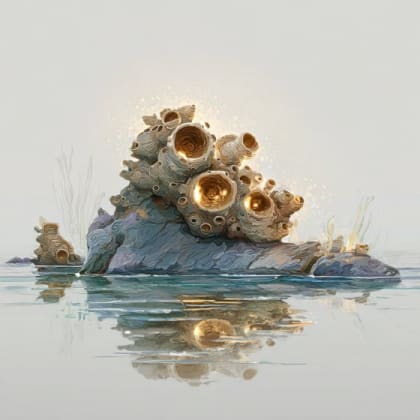
Atlantic Ribbed Mussels help build living reefs, providing homes for many tiny creatures.
These mussels create their own glue-like ropes to stick firmly to marsh grass and rocks!
They are like ocean thermometers; their growth rings can tell scientists about past water temperatures.
Atlantic Ribbed Mussel can securely anchor itself with strong byssal threads because of special glands that produce them.
Atlantic Ribbed Mussel can filter tiny food particles from water, helping to clean its marshy habitat.
Atlantic Ribbed Mussel can survive many hours out of water because it can tightly close its shell.
They slurp up tiny bits of food from the water, acting like nature's vacuum cleaners!
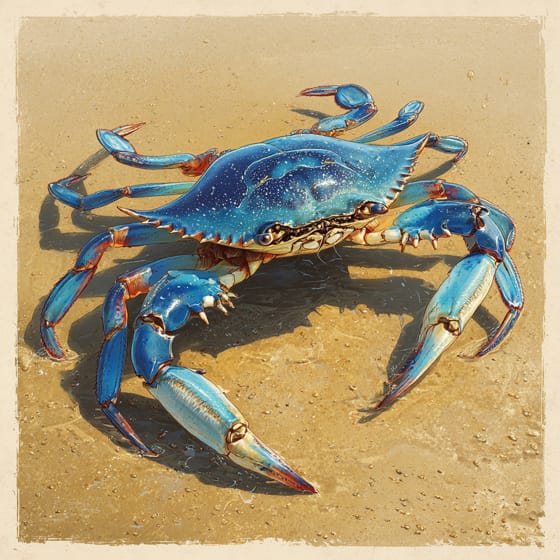
Callinectes sapidus
Crabs are a common predator on these mussels.
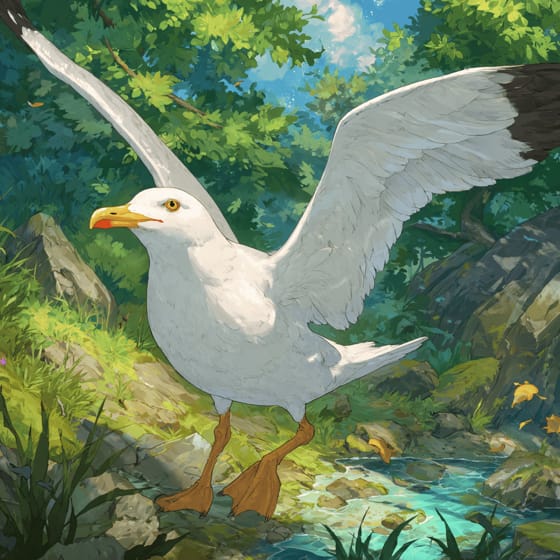
Larus argentatus
Gulls drop mussels to crack their shells open.
Spartina alterniflora
Mussels attach to its stems for stability and height.
Panopeus herbstii
Mud crabs hide among mussel clusters.
Social animals live in organized groups, cooperating for survival benefits such as foraging, defense, and raising offspring.
Filter feeders obtain nutrients by straining suspended food particles and small organisms from water.
Aquatic habitats encompass environments where organisms live predominantly in water, including oceans, rivers, lakes, and wetlands.
Marine habitats encompass all saltwater environments of the Earth's oceans, supporting an immense diversity of aquatic life.
Danger
0/5 · No known danger
No special safety notes yet.
The easiest way to identify Atlantic Ribbed Mussel is to use the Snappit nature identifier app.
10 cm
20 g
15 years
They slurp up tiny bits of food from the water, acting like nature's vacuum cleaners!
They live in shallow coastal waters and estuaries along the Atlantic coast.
Filter Feeding
Zoom in to split clusters and explore where this object has been snapped.
Jun 2, 2026
Stone Harbor Bird SanctuaryPhoto attribution
(c) GobyHunter, some rights reserved (CC BY)
License: CC BY 4.0 ↗
Image may be shown cropped inside the card frame.

US
You might spot Monarch, Ipsilon Dart Moth, and Canada Goose.
View guide →

Rhode Island, US
You might spot American Herring Gull and White-Tailed Deer.
View guide →

Connecticut, US
You might spot Diamondback Terrapin, Canada Goose, and Osprey.
View guide →

Massachusetts, US
You might spot Atlantic Horseshoe Crab, Duck, and American Herring Gull.
View guide →

US
You might spot Atlantic Horseshoe Crab and American Oystercatcher.
View guide →

Delaware, US
You might spot Atlantic Horseshoe Crab and Laughing Gull.
View guide →
Take the discovery with you
Snap it with Snappit to identify it, learn what makes it special, and add the discovery to your collection.