





Eastern Eyed Click Beetle
Alaus oculatus
The Eastern Eyed Click Beetle is a fun little bug that can jump high when it feels scared! It has big, beautiful eyes on its back that look like they are watching you.
Habitat: Forests
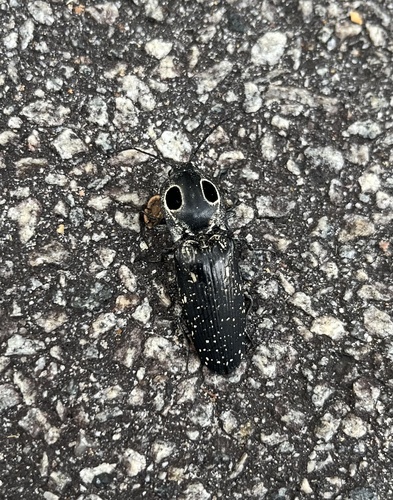
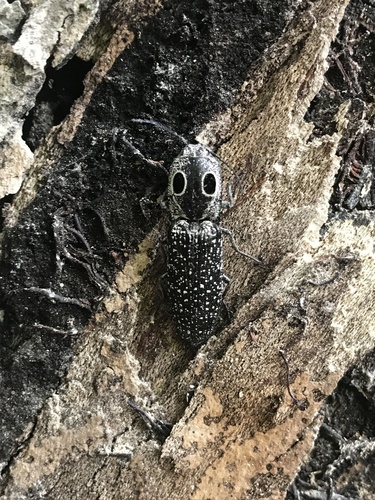
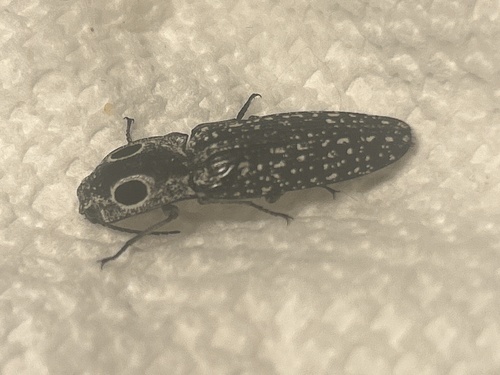
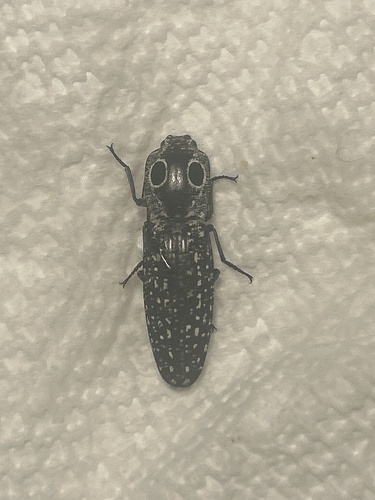
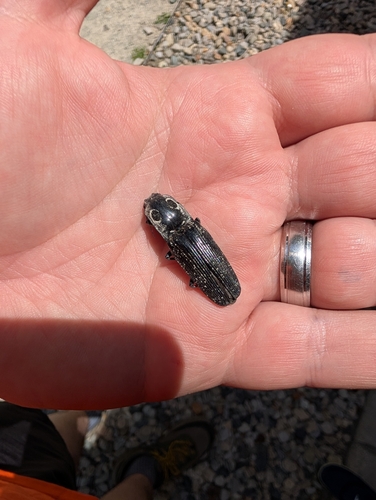
The Eastern Eyed Click Beetle is a large, sturdy beetle, typically black with distinct, prominent white-ringed black eyespots on its thorax, which are not real eyes. Its hard shell often has a slightly fuzzy texture, making it visually unique among common beetles.
Category
InsectsRarity
Common
Danger
1/5 · Very low
Snaps
118
Despite their fierce appearance, adult Eastern Eyed Click Beetles are completely harmless to humans!
Its larval stage, called a wireworm, lives underground for several years before transforming!
The 'click' sound can be loud enough for humans to hear from a few feet away.
They use their fake eyespots to trick birds and other predators into thinking they are a bigger creature.
Eastern Eyed Click Beetles can flip themselves upright by arching their back and 'clicking' a spine into a groove, which helps them escape predators.
Eastern Eyed Click Beetles have large, dark eyespots on their back that mimic bigger eyes, making them look more intimidating to frighten away enemies.
Eastern Eyed Click Beetles have a very tough exoskeleton that helps protect them from physical damage and many predator attacks.
Adults eat sap, but the hungry larvae are underground hunters of other insect grubs!
Age differences: Adults feed on plant sap and nectar, while the larvae (wireworms) are predatory, hunting other insect larvae underground.
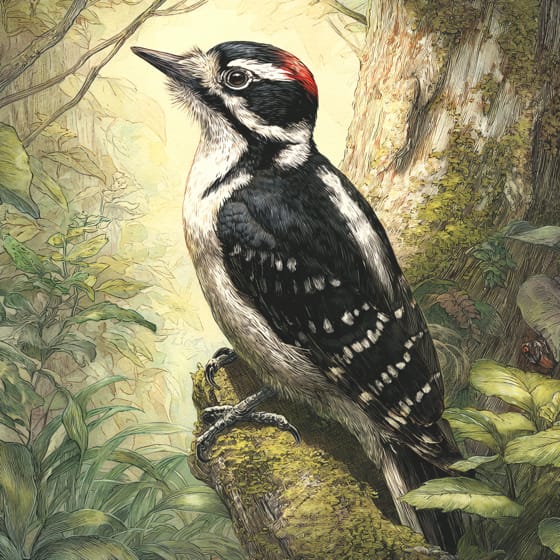
Picoides villosus
Adult beetles can be caught and eaten by woodpeckers.
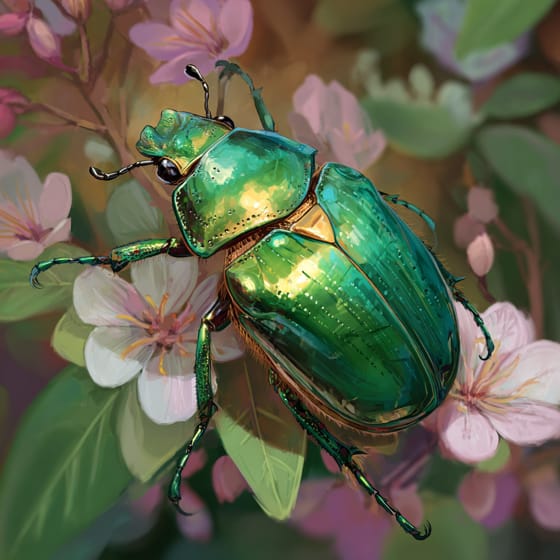
Popillia japonica
Larvae of the click beetle prey on the grubs of this invasive pest.
Sorex cinereus
Shrews may unearth and consume click beetle larvae in the soil.
Marked with spots or patches of a different color.
Solitary animals live alone for most of their lives, only interacting with others for mating or parental care.
Colorful describes organisms or objects displaying a wide range of bright and distinct colors.
This trait identifies organisms whose diet primarily consists of insects and other small invertebrates.

Forest habitats are terrestrial environments dominated by dense tree cover, supporting a high diversity of plant and animal life.

Nocturnal animals are primarily active during the nighttime hours, typically resting or sleeping during the day.

Describes organisms that transfer pollen, enabling the fertilization and reproduction of plants.
No aliases listed yet.
Danger
1/5 · Very low
It's best to watch beetles from a distance and not touch them.
The easiest way to identify Eastern Eyed Click Beetle is to use the Snappit nature identifier app.
40-70 mm
25-45 mm
30-60 days
Adults eat sap, but the hungry larvae are underground hunters of other insect grubs!
Forests
Foraging
6
Zoom in to split clusters and explore where this object has been snapped.
Jun 9, 2026
Bainbridge Commercial Historic DistrictPhoto attribution
(c) Megan Herrmann, some rights reserved (CC BY)
License: CC BY 4.0 ↗
Image may be shown cropped inside the card frame.
Jun 6, 2026
HattertownPhoto attribution
(c) Matthew Rozanoff, some rights reserved (CC BY)
License: CC BY 4.0 ↗
Image may be shown cropped inside the card frame.
Jun 4, 2026
Wilton Center Historic DistrictPhoto attribution
no rights reserved
License: CC0 1.0 ↗
Image may be shown cropped inside the card frame.
Jun 4, 2026
Wilton Center Historic DistrictPhoto attribution
no rights reserved
License: CC0 1.0 ↗
Image may be shown cropped inside the card frame.
Jun 4, 2026
North Meridian Street Historic DistrictPhoto attribution
(c) Jeremy Maxwell, some rights reserved (CC BY)
License: CC BY 4.0 ↗
Image may be shown cropped inside the card frame.

Alabama, US
You might spot Elf Orpine, Canada Goose, and Leatherleaf Mahonia.
View guide →

Virginia, US
You might spot Cope's Gray Tree Frog and Basilica Orbweaver.
View guide →

Florida, US
You might spot Anole, Eastern Box Turtle, and Golden Silk Spider.
View guide →

Tennessee, US
You might spot Black Bear, Yellow Wakerobin, and Pipevine Swallowtail.
View guide →

Georgia, US
You might spot Gulf Fritillary, Anole, and American Beautyberry.
View guide →

Illinois, US
You might spot Brown-Belted Bumble Bee and Eastern Gray Squirrel.
View guide →
Take the discovery with you
Snap it with Snappit to identify it, learn what makes it special, and add the discovery to your collection.









.jpg&width=800)


