





Eastern Foxsnake
Pantherophis vulpinus
The Eastern Foxsnake is a beautiful snake with yellow and brown colors. It likes to hide in tall grass and is very good at climbing trees. This snake is friendly and helps keep the environment balanced.
Habitat: Grasslands
The Eastern Foxsnake is a large, non-venomous snake with a yellowish or light brown body covered in distinct dark brown or black blotches. Its head is often a reddish-orange, which becomes more vibrant with age. Its scales have faint ridges, giving it a slightly keeled texture.
Category
ReptilesRarity
Common
Danger
2/5 · Low
Snaps
15
Despite its intimidating look and tail-rattling, this snake is completely harmless to humans.
Its unique musky scent often smells like a fox, giving it its clever name!
They "taste" the air with their flicking forked tongue to find food and friends.
Unlike many snakes, it loves to hide in old farm buildings and barns.
Eastern Foxsnake can vibrate its tail rapidly because that helps them mimic a rattlesnake's warning, scaring predators away.
Eastern Foxsnake has strong constricting muscles that help them squeeze and subdue their prey quickly.
Eastern Foxsnake can climb trees and shrubs because that helps them find bird nests or escape danger from above.
Snack on small rodents and birds, using their strong bodies to catch a meal!
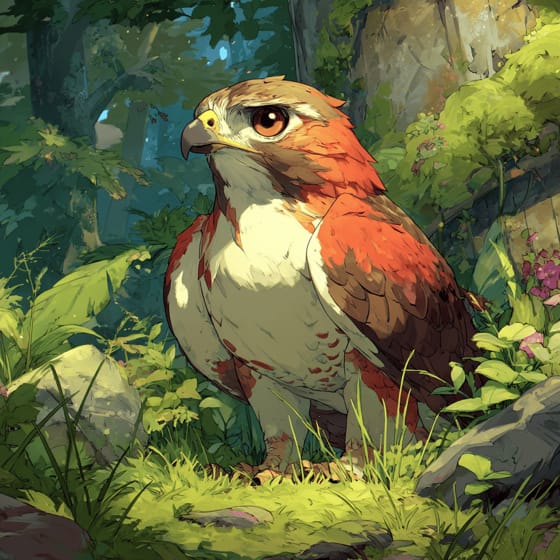
Buteo jamaicensis
They are a meal for large raptors.
Microtus pennsylvanicus
Preys on these small rodents in grassy areas.
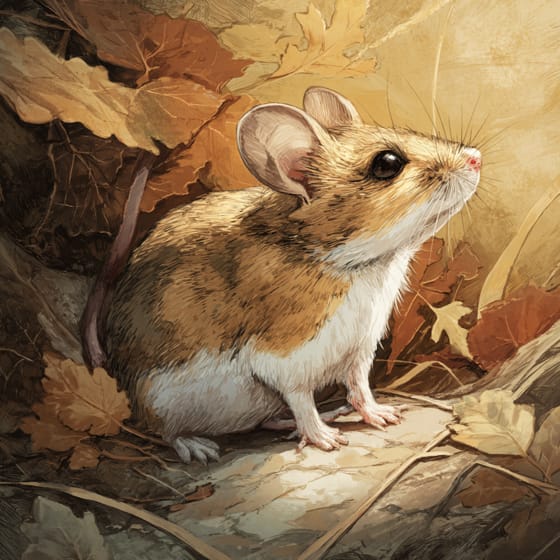
Peromyscus maniculatus
Hunts these common mice in forests and fields.
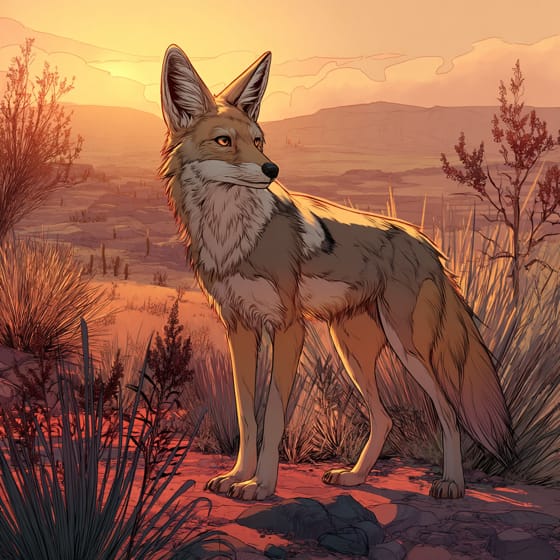
Canis latrans
Coyotes sometimes prey on these snakes.
Solitary animals live alone for most of their lives, only interacting with others for mating or parental care.
Arboreal animals live primarily in trees, utilizing them for shelter, food, and protection from predators.
Camouflaged describes organisms that possess coloring or patterns that allow them to blend into their environment.
Colorful describes organisms or objects displaying a wide range of bright and distinct colors.

Grassland habitats are terrestrial biomes dominated by grasses and herbaceous plants, supporting a variety of grazing animals.

This trait identifies organisms whose diet consists entirely or primarily of animal tissue.

Diurnal animals are primarily active during daylight hours, typically resting or sleeping at night.

Describes a species whose presence and role have a disproportionately large effect on its environment.

This trait identifies organisms that exhibit exceptional swiftness in movement for hunting, escape, or travel.
Danger
2/5 · Low
If you see a snake, stay calm and watch from a distance. Never try to touch or catch it.
The easiest way to identify Eastern Foxsnake is to use the Snappit nature identifier app.
90-180 cm
0.5-2 kg
10-20 years
5 km/h
Snack on small rodents and birds, using their strong bodies to catch a meal!
Grasslands
Ambush and Pursuit
Zoom in to split clusters and explore where this object has been snapped.

Michigan, US
You might spot Eastern Gray Squirrel, Tree-Of-Heaven, and House Sparrow.
View guide →

Indiana, US
You might spot Common Reed, Rosepink, and Bearberry.
View guide →

Michigan, US
You might spot Eastern Gray Squirrel, Rock Pigeon, and House Sparrow.
View guide →

Michigan, US
You might spot Bald Eagle, American White Pelican, and Painted Turtle.
View guide →

US
You might spot Carpenter Ants, Typical Sugar Ants and Allies and Axolotl.
View guide →

Illinois, US
You might spot Polar Bear, Grizzly Bear, and African Lion.
View guide →
Take the discovery with you
Snap it with Snappit to identify it, learn what makes it special, and add the discovery to your collection.











