_(2).jpg&width=800)





Eastern Phantom Crane Fly
Bittacomorpha clavipes
The Eastern Phantom Crane Fly is a long-legged insect that looks like a giant mosquito! They are harmless and often found near water, where they lay their eggs.
Habitat: Wetlands
The Eastern Phantom Crane Fly has a delicate, almost ghost-like appearance. Its long, slender legs are strikingly banded with alternating black and white segments, ending in distinct white, club-like tips. Its body is dull black with clear wings.
Category
InsectsRarity
Common
Danger
1/5 · Very low
Snaps
2
Adult phantom crane flies live only days, mostly just to find a mate!
Despite their spooky name, these phantom flies cannot bite or sting you.
Its larvae live underwater for months, breathing through a snorkel-like tube!
They dance in the air with super long legs that seem to disappear!
Eastern Phantom Crane Fly can flash its white-tipped legs to startle predators or appear larger.
Eastern Phantom Crane Fly larvae breathe through a special tube and clean waterways by eating decaying plants.
Eastern Phantom Crane Fly can shed a leg if caught, helping it escape danger and survive attacks.
Adults rarely feed, while their larvae are nature's recyclers, munching on decaying plants underwater.
Age differences: Larvae consume decaying organic matter underwater, while adults typically do not feed or only consume nectar and water.
Anas platyrhynchos
Ducks and waterfowl prey on crane fly larvae in wetlands.
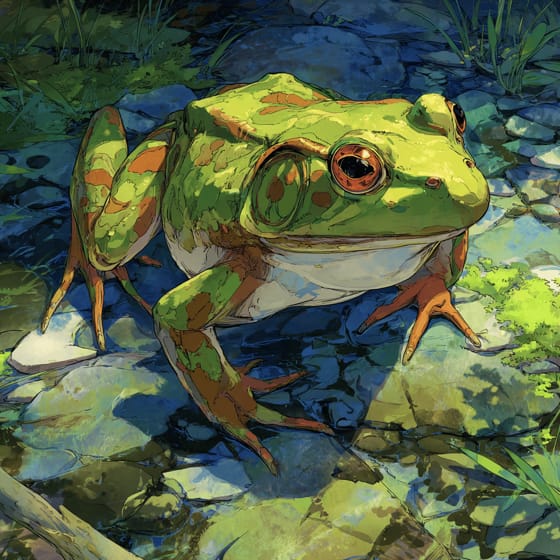
Lithobates catesbeianus
Frogs ambush slow-moving adult crane flies near water.
Araneus diadematus
Spiders catch weak-flying adult crane flies in their webs.

Acer rubrum
Fallen leaves from maples are a food source for larvae.
Solitary animals live alone for most of their lives, only interacting with others for mating or parental care.
Aerial creatures spend a significant portion of their lives airborne, utilizing flight for various activities such as hunting, migration, or nesting.
This trait characterizes organisms whose diet consists entirely or primarily of plant material.
Describes organisms that break down dead organic material, recycling nutrients back into the ecosystem.

This habitat trait identifies species found in wetlands, which are areas of land saturated with water, either permanently or seasonally, including marshes, swamps, and bogs.

Giant describes organisms or objects of significantly larger size than average for their species or type.

Nocturnal animals are primarily active during the nighttime hours, typically resting or sleeping during the day.

Describes organisms that transfer pollen, enabling the fertilization and reproduction of plants.
No aliases listed yet.
Danger
1/5 · Very low
These flies are friendly and won't hurt you, so you can watch them safely!
The easiest way to identify Eastern Phantom Crane Fly is to use the Snappit nature identifier app.
20-30 mm
10-15 mm
5-10 days
2 km/h
Adults rarely feed, while their larvae are nature's recyclers, munching on decaying plants underwater.
Wetlands
Foraging
Zoom in to split clusters and explore where this object has been snapped.

Alabama, US
You might spot Eastern Box Turtle, Carolina Wren, and Field Sparrow.
View guide →

Alabama, US
You might spot White-Tailed Deer, Red Fox, and Eastern Gray Squirrel.
View guide →
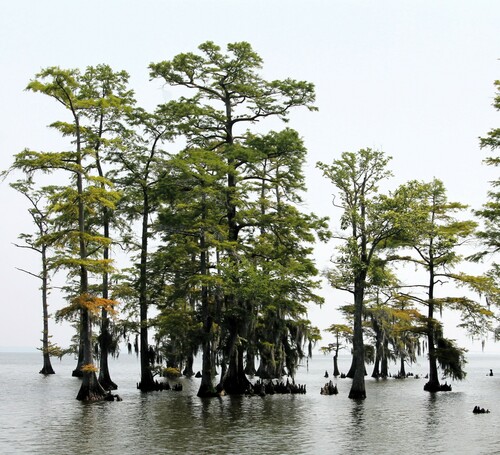
Tennessee, US
You might spot Baldcypress, Plain-Bellied Watersnake, and Water Tupelo.
View guide →
Take the discovery with you
Snap it with Snappit to identify it, learn what makes it special, and add the discovery to your collection.








.jpg&width=800)




