





Eastern Toe-biter
Benacus griseus
The Eastern Toe-biter is a big bug that loves to live in water! It has a long body and can be found swimming around in ponds and marshes, where it catches its food.
Habitat: Wetlands
The Eastern Toe-biter is a large, flattened, oval-shaped insect, typically brownish-gray in color. It has powerful, raptorial front legs designed for grasping, and a short, snorkel-like breathing tube at its rear. Its dull coloration helps it blend into murky water environments.
Category
InsectsRarity
Common
Danger
3/5 · Moderate
Snaps
Be the first to snap!
Female Eastern Toe-biters often glue their eggs onto underwater plants or sticks.
Some people call them "electric light bugs" because they fly to bright lights at night.
These insects inject digestive enzymes into their prey, turning the insides into a liquid soup!
They can deliver a very painful bite if handled, earning them their "toe-biter" name!
Eastern Toe-biter has powerful front legs that help them grab and hold onto slippery prey firmly underwater.
Eastern Toe-biter can hide perfectly in pond muck because of its flattened, brownish body, waiting silently for prey.
Eastern Toe-biter has a special breathing tube that helps them get air from the surface without leaving their hiding spot.
A fierce underwater hunter that eats other bugs, tadpoles, small fish, and frogs.
Gambusia affinis
Preys on small fish in its aquatic habitat.
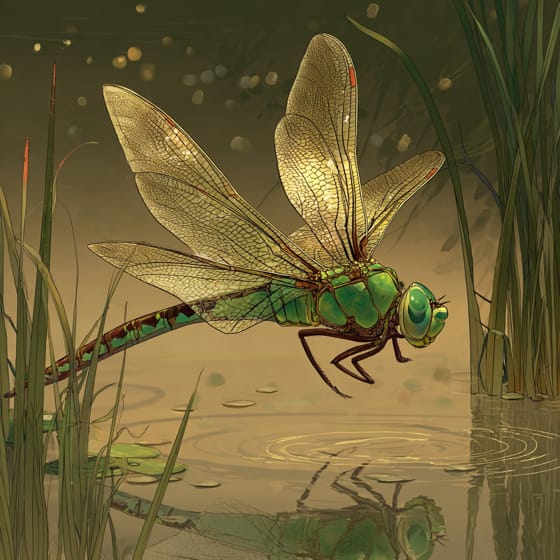
Anax junius
Eats dragonfly nymphs and other aquatic insects.
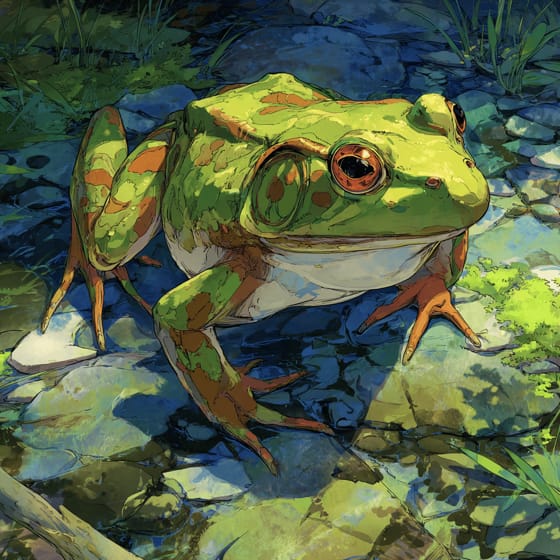
Lithobates catesbeianus
Predatory frogs may eat adult toe-biters.
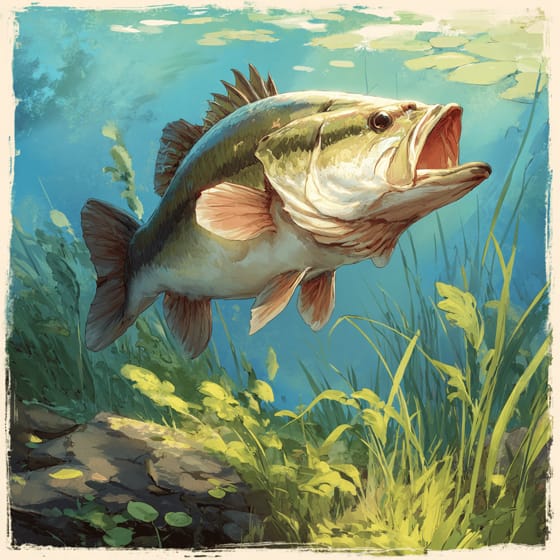
Micropterus salmoides
Fish like bass are known predators of these bugs.
Solitary animals live alone for most of their lives, only interacting with others for mating or parental care.
This trait identifies organisms whose diet primarily consists of insects and other small invertebrates.
An ambush predator hunts by patiently waiting and concealing itself, then launching a sudden attack when unsuspecting prey comes within range.
This habitat trait identifies species found in wetlands, which are areas of land saturated with water, either permanently or seasonally, including marshes, swamps, and bogs.

This trait identifies organisms whose diet consists entirely or primarily of animal tissue.

This trait identifies organisms that exhibit exceptional swiftness in movement for hunting, escape, or travel.

Aquatic habitats encompass environments where organisms live predominantly in water, including oceans, rivers, lakes, and wetlands.

Giant describes organisms or objects of significantly larger size than average for their species or type.
Danger
3/5 · Moderate
If you see a Toe-biter, it's best to watch from a distance and not touch it.
The easiest way to identify Eastern Toe-biter is to use the Snappit nature identifier app.
80-120 mm
40-60 mm
300-365 days
A fierce underwater hunter that eats other bugs, tadpoles, small fish, and frogs.
Wetlands
Ambush
6
Zoom in to split clusters and explore where this object has been snapped.
Recent snaps will appear here as new observations are added.
Take the discovery with you
Snap it with Snappit to identify it, learn what makes it special, and add the discovery to your collection.









.jpg&width=800)




