





Egyptian Star-Cluster
pentas lanceolata
The Egyptian Star-Cluster is a beautiful flowering plant that attracts butterflies and hummingbirds! Its bright colors make gardens look lively and cheerful.
Habitat: Tropical and subtropical gardens, often found in warm climates.
The Egyptian Star-Cluster has clusters of tiny, star-shaped flowers that bloom in vivid shades of pink, purple, red, and white. Its vibrant blooms stand out against its oval, dark green leaves, attracting attention from afar.
Category
PlantsRarity
Common
Danger
0/5 · No known danger
Snaps
Be the first to snap!
Gardeners often call it 'Butterfly Plant' because it's a huge favorite for them!
In some warm places, it never stops blooming, making a constant flower show!
Its nickname, 'Egyptian Starflower,' comes from its star-shaped blossoms!
The scientific name 'Pentas' means 'five,' referring to its five-petaled flowers!
Egyptian Star-Cluster has bright, star-shaped flowers that act as a strong visual signal, helping it attract many different pollinators.
This plant can continuously produce new flowers, helping it reproduce successfully by providing a constant food source for pollinators.
Egyptian Star-Cluster has abundant nectar, which helps it lure butterflies, bees, and other insects for efficient pollination.
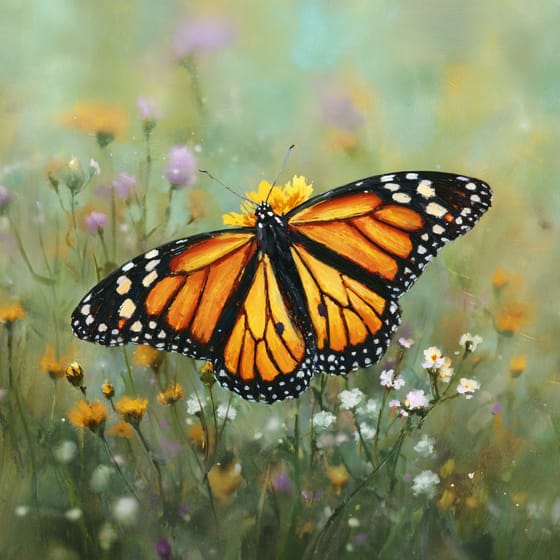
Danaus plexippus
sips nectar from the flowers
Apis mellifera
gathers nectar and pollen
Papilio machaon
visits blooms for sweet nectar
Social animals live in organized groups, cooperating for survival benefits such as foraging, defense, and raising offspring.
Colorful describes organisms or objects displaying a wide range of bright and distinct colors.
This trait characterizes organisms whose diet consists entirely or primarily of plant material.
Diurnal animals are primarily active during daylight hours, typically resting or sleeping at night.

Describes organisms that transfer pollen, enabling the fertilization and reproduction of plants.
Danger
0/5 · No known danger
No special safety notes yet.
The easiest way to identify Egyptian Star-Cluster is to use the Snappit nature identifier app.
30-90 cm
30-90 cm
1-1.5 cm
Year-round in tropical regions, summer-fall in temperate
No
None
Perennial
Zoom in to split clusters and explore where this object has been snapped.
Recent snaps will appear here as new observations are added.
Take the discovery with you
Snap it with Snappit to identify it, learn what makes it special, and add the discovery to your collection.









.jpg&width=800)



_001.jpg&width=800)




