.jpg&width=800)





Eudorcas thomsonii
Eudorcas thomsonii
Thomson's gazelle is a graceful animal known for its speed and beautiful, slender body. They live in groups and are often seen jumping high to escape from predators in the African savannas.
Habitat: Savannas
The Eudorcas thomsonii is a slender gazelle with a light brown coat, a distinctive black stripe across its flanks, and a white belly. It has a white rump patch that extends below its short, black tail and long, ridged horns that curve backwards then tip forwards.
Category
MammalsRarity
Common
Danger
2/5 · Low
Snaps
Be the first to snap!
A newborn Thomson's gazelle can stand and run within minutes of being born!
Their black flank stripe acts like camouflage, breaking up their shape against the savanna!
They often graze alongside larger animals like wildebeest, relying on their eyes and ears.
Thomson's gazelles get most of the water they need from the plants they eat.
Eudorcas thomsonii can accelerate to high speeds quickly because of its powerful leg muscles, helping it escape predators.
Eudorcas thomsonii has sharp eyesight and hearing that helps them spot potential dangers far across the open plains.
Eudorcas thomsonii can flick its black-tipped tail to signal alarm and warn other gazelles of nearby threats.
This gazelle is a herbivore that enjoys munching on short grasses and leafy plants.
Acinonyx jubatus
A primary prey animal for cheetahs.
Panthera leo
A common prey for lions in the savanna.
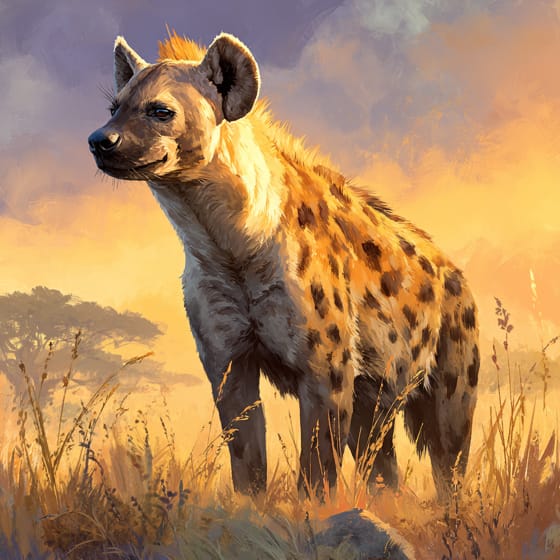
Crocuta crocuta
Hyenas often hunt Thomson's gazelles.
Themeda triandra
A favored grass species in their diet.
Furry describes animals possessing a dense covering of soft hair or fur.
Marked with spots or patches of a different color.
Social animals live in organized groups, cooperating for survival benefits such as foraging, defense, and raising offspring.
This trait characterizes organisms whose diet consists entirely or primarily of plant material.

This habitat trait denotes species native to savannas, which are grasslands with scattered trees, typically found in tropical or subtropical regions with distinct wet and dry seasons.

Diurnal animals are primarily active during daylight hours, typically resting or sleeping at night.

This trait identifies organisms that exhibit exceptional swiftness in movement for hunting, escape, or travel.

Migratory animals undertake seasonal movements from one region to another, typically in response to changes in climate or food availability.

Endangered status indicates a species is at a very high risk of extinction in the wild in the near future.
Danger
2/5 · Low
Always watch from a distance and never try to chase wild animals.
The easiest way to identify Eudorcas thomsonii is to use the Snappit nature identifier app.
80-120 cm
15-35 kg
10-15 years
80 km/h
This gazelle is a herbivore that enjoys munching on short grasses and leafy plants.
Savannas
Grazing
Zoom in to split clusters and explore where this object has been snapped.
Recent snaps will appear here as new observations are added.
Take the discovery with you
Snap it with Snappit to identify it, learn what makes it special, and add the discovery to your collection.




.jpg&width=800)


.JPG&width=800)


.jpg&width=800)
