





Eurasian Jackdaw
Coloeus monedula
The Eurasian Jackdaw is a clever bird with shiny black feathers and bright blue eyes. They are known for their playful nature and love to explore their surroundings.
Habitat: Urban areas
The Eurasian Jackdaw is a small, smart-looking crow with a glossy black body. It has a striking silver-grey nape and pale, almost white, eyes that make it stand out from other dark birds.
Category
BirdsRarity
Common
Danger
1/5 · Very low
Snaps
3
Jackdaws understand human pointing gestures, a rare skill for non-primates!
These birds often play by chasing and tumbling in the air just for fun!
They can drop nuts from high up to crack them open on hard surfaces!
They mate for life and are always seen in pairs within their big flocks!
Eurasian Jackdaws can recognize individual human faces, helping them remember who is friend or foe!
Eurasian Jackdaws use over 10 different calls to share complex information, like warning others of danger!
These clever birds have been observed using tools like sticks to pry food from cracks, showing their intelligence!
They are omnivores, eating almost anything from insects to seeds and human food scraps!
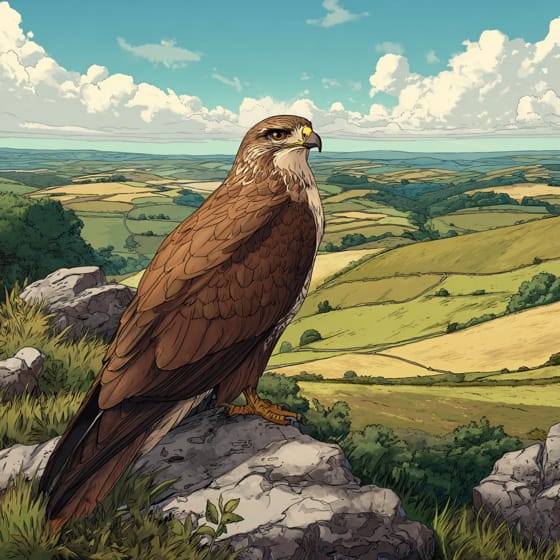
Buteo buteo
Buzzards sometimes prey on adult jackdaws or their young.
Formica rufa
Jackdaws forage for these ants and their larvae.
Quercus robur
Many jackdaws build their nests in the cavities of old oak trees.
Feathered describes animals, primarily birds, possessing a covering of feathers.
Social animals live in organized groups, cooperating for survival benefits such as foraging, defense, and raising offspring.
This trait identifies organisms whose diet includes both plant and animal matter.
This trait describes organisms that manipulate external objects to achieve a specific goal.

Diurnal animals are primarily active during daylight hours, typically resting or sleeping at night.

This habitat trait indicates species that can coexist with humans in urban and suburban environments, utilizing man-made structures and green spaces.
No aliases listed yet.
Danger
1/5 · Very low
Watch from a distance and don't feed wild birds, as they can become dependent on people.
The easiest way to identify Eurasian Jackdaw is to use the Snappit nature identifier app.
34-39 cm
67-74 cm
0.175-0.28 kg
5-15 years
45 km/h
They are omnivores, eating almost anything from insects to seeds and human food scraps!
Urban areas
Zoom in to split clusters and explore where this object has been snapped.
Take the discovery with you
Snap it with Snappit to identify it, learn what makes it special, and add the discovery to your collection.




.jpg)
.jpg&width=800)









