_with_offspring%2C_Liefdefjord%2C_Svalbard.jpg&width=800)



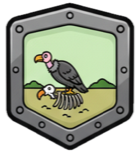

Glaucous Gull
Larus hyperboreus
The Glaucous Gull is a large, beautiful bird with pale feathers and a strong beak. They love to live near the sea and can often be seen soaring above the waves or resting on the shore.
Habitat: Coastal areas
The Glaucous Gull is a large, pale gull with a robust body and a strong yellow beak tipped with red. Adults have very light grey upperparts and pristine white undersides, notably lacking any black on its wingtips, distinguishing it from other gulls.
Category
BirdsRarity
Common
Danger
2/5 · Low
Snaps
Be the first to snap!
Baby Glaucous Gulls are camouflaged to look like rocks!
Sometimes, these big gulls even eat tasty berries!
They often swoop in to steal food from other seabirds!
This adaptable gull can survive by drinking salty ocean water!
Glaucous Gull can withstand icy Arctic winds because of its dense, insulating feathers that trap warmth close to its body.
Glaucous Gull has waterproof feathers that help them stay dry and warm even when diving into freezing cold water.
Glaucous Gull can eat almost anything it finds because of its super adaptable digestive system and opportunistic nature.
These big gulls eat a huge variety of foods from the land and sea, acting like nature's clean-up crew!
Age differences: null
Uria lomvia
eats their eggs and chicks
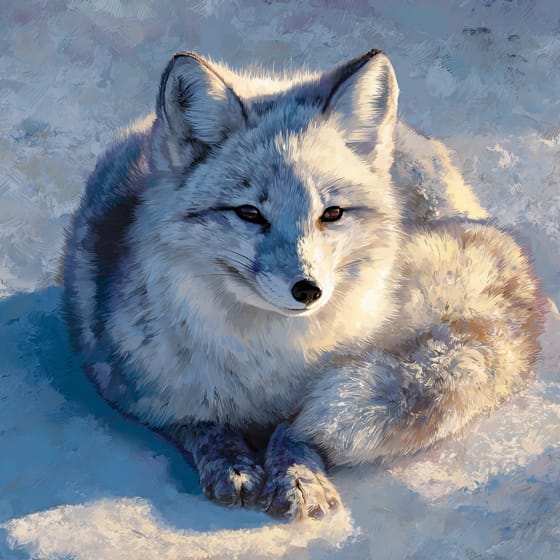
Alopex lagopus
foxes target their eggs and chicks
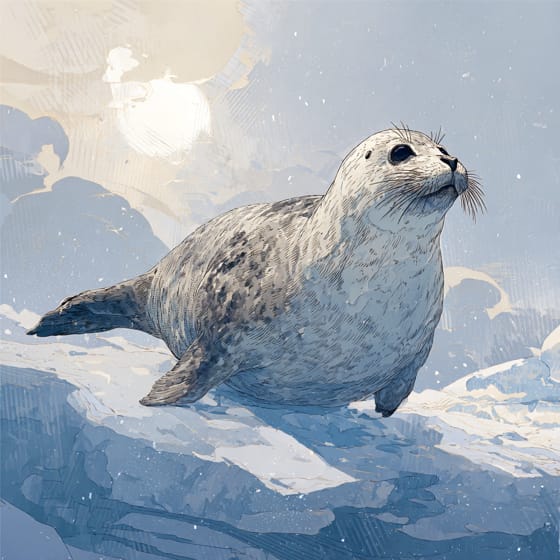
Phoca hispida
scavenges on seal carcasses
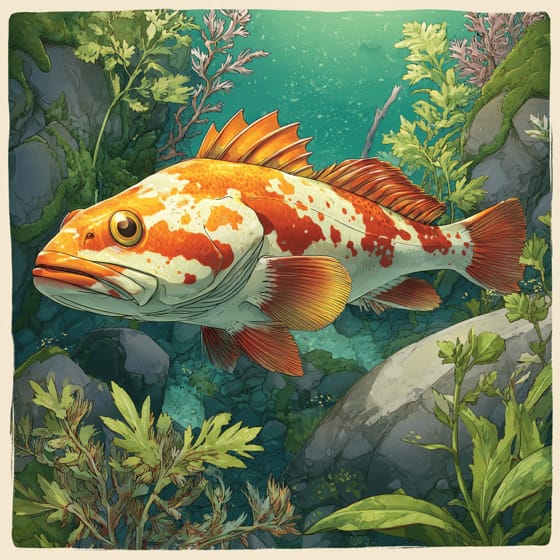
Gadus morhua
catches cod in coastal waters
Feathered describes animals, primarily birds, possessing a covering of feathers.
Social animals live in organized groups, cooperating for survival benefits such as foraging, defense, and raising offspring.
Aerial creatures spend a significant portion of their lives airborne, utilizing flight for various activities such as hunting, migration, or nesting.
Scavengers consume dead organic matter, helping to decompose carcasses and other waste in the ecosystem.

Piscivorous organisms are animals that primarily subsist on a diet of fish.

Coastal habitats are dynamic environments located along the interface between land and sea, influenced by tides, waves, and saltwater.

Diurnal animals are primarily active during daylight hours, typically resting or sleeping at night.

Describes a species whose presence and role have a disproportionately large effect on its environment.

Marine habitats encompass all saltwater environments of the Earth's oceans, supporting an immense diversity of aquatic life.

Migratory animals undertake seasonal movements from one region to another, typically in response to changes in climate or food availability.
No aliases listed yet.
Danger
2/5 · Low
Watch from a distance and don't feed the gulls, as they can be very curious!
The easiest way to identify Glaucous Gull is to use the Snappit nature identifier app.
55-77 cm
132-170 cm
0.9-2.7 kg
15-25 years
65 km/h
These big gulls eat a huge variety of foods from the land and sea, acting like nature's clean-up crew!
Coastal areas
Zoom in to split clusters and explore where this object has been snapped.
Recent snaps will appear here as new observations are added.
Take the discovery with you
Snap it with Snappit to identify it, learn what makes it special, and add the discovery to your collection.




.jpg&width=800)








