





Eurasian Skylark
Alauda arvensis
The Eurasian Skylark is a cheerful bird known for its beautiful singing. It loves to fly high in the sky and can often be seen in fields and grasslands, singing sweetly to greet the day.
Habitat: Grasslands
The Eurasian Skylark is a small, streaky brown bird with a stocky build and a short, often raised crest on its head. Its underparts are paler, and it has distinctive white outer tail feathers visible during flight, setting it apart from other brown grassland birds.
Category
BirdsRarity
Common
Danger
1/5 · Very low
Snaps
1
One skylark's incredible song can last for over an hour non-stop!
Skylarks sometimes perform "mock fights" high in the air!
Some skylarks build their ground nests using tiny pebbles as walls!
Their babies leave the nest by foot before they can fly!
Eurasian Skylark can sing melodious songs while hovering high in the air because of powerful wing muscles that allow sustained flight.
Eurasian Skylark has drab, streaky brown plumage that helps them blend perfectly with dry grasses and soil, making them hard to spot.
Eurasian Skylark can mimic calls of many other bird species, which helps them communicate and attract mates.
Eurasian Skylarks mainly eat insects in summer and seeds in winter, making them adaptable foragers.
Age differences: Young chicks eat only insects, switching to a more varied diet as they mature.
Falco tinnunculus
Kestrels are common predators, hunting adult skylarks from above.
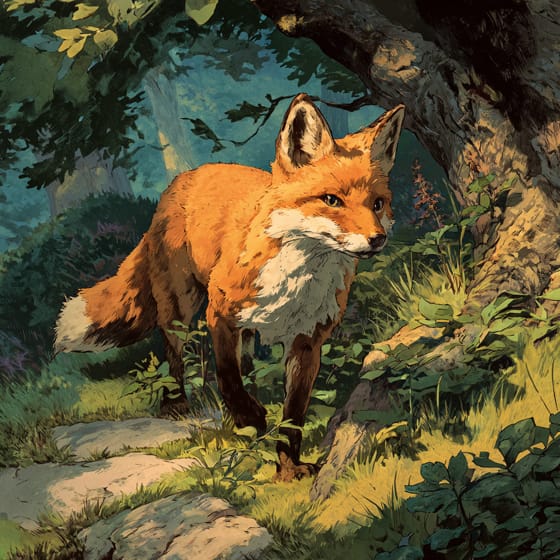
Vulpes vulpes
Foxes prey on ground-nesting skylark eggs, chicks, and adults.
Agriotes lineatus
Adult skylarks and chicks consume these beetle larvae from fields.

Poa annua
Skylarks forage for the seeds of this common grass during winter.
Feathered describes animals, primarily birds, possessing a covering of feathers.
Social animals live in organized groups, cooperating for survival benefits such as foraging, defense, and raising offspring.
Singing animals produce complex vocalizations, often for purposes of attracting mates, defending territory, or communicating within their species.
Camouflaged describes organisms that possess coloring or patterns that allow them to blend into their environment.

Grassland habitats are terrestrial biomes dominated by grasses and herbaceous plants, supporting a variety of grazing animals.

This trait identifies organisms whose diet primarily consists of insects and other small invertebrates.

Diurnal animals are primarily active during daylight hours, typically resting or sleeping at night.

Migratory animals undertake seasonal movements from one region to another, typically in response to changes in climate or food availability.
No aliases listed yet.
Danger
1/5 · Very low
If you see a bird's nest, be careful not to touch it. It's best to watch from a distance.
The easiest way to identify Eurasian Skylark is to use the Snappit nature identifier app.
16-18 cm
30-36 cm
0.027-0.055 kg
2-5 years
40 km/h
Eurasian Skylarks mainly eat insects in summer and seeds in winter, making them adaptable foragers.
Grasslands
Zoom in to split clusters and explore where this object has been snapped.
Take the discovery with you
Snap it with Snappit to identify it, learn what makes it special, and add the discovery to your collection.





.jpg&width=800)








