





Eurasian Water Shrew
Neomys fodiens
The Eurasian Water Shrew is a small mammal that lives near water. It has a dark brown fur coat and loves to swim and dive for food.
Habitat: Wetlands
The Eurasian Water Shrew has dark, velvety fur on its back, typically black or dark brown, contrasting sharply with a white or pale grey underside. It is distinguished by its pointed snout, small eyes, and large hind feet fringed with stiff hairs that aid in swimming.
Category
MammalsRarity
Common
Danger
2/5 · Low
Snaps
Be the first to snap!
Despite its size, it needs to eat 80% of its body weight every single day!
Eurasian Water Shrews can hunt and even catch prey larger than themselves!
Its tiny heart can beat an amazing 1,200 times per minute when active!
They use simple clicks for navigation, like a very basic form of echolocation!
Eurasian Water Shrew can swim powerfully using paddle-like fringed hind feet for rapid movement through water.
Eurasian Water Shrew can trap air in its fur to float or release it to sink and walk along riverbeds.
Eurasian Water Shrew has dense, hydrophobic fur that keeps its body dry and warm even after prolonged dives.
A tiny, fierce hunter that preys on insects, small fish, tadpoles, and other aquatic creatures.

Strix aluco
Preys on shrews, especially young or weakened individuals.
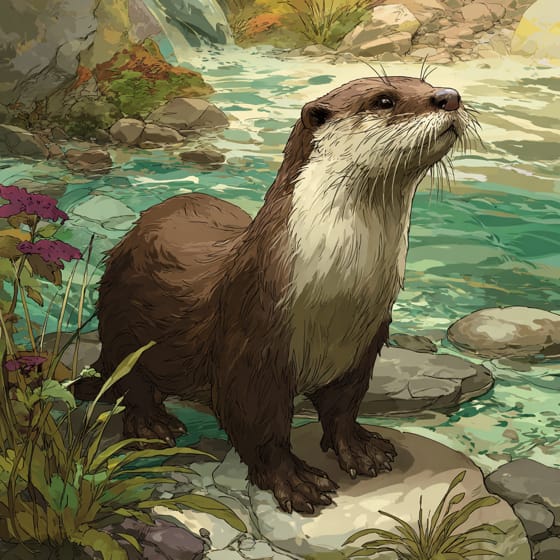
Lutra lutra
Opportunistic predator, may consume shrews.
Gasterosteus aculeatus
Major food source in aquatic environments.
Rana temporaria
Eats tadpoles and juvenile frogs.
Characterized by having toes connected by a membrane, typically aiding in swimming.
Solitary animals live alone for most of their lives, only interacting with others for mating or parental care.
Burrowing animals dig tunnels and chambers in the ground, using these subterranean structures for shelter, hunting, or breeding.
This trait identifies organisms whose diet primarily consists of insects and other small invertebrates.

Piscivorous organisms are animals that primarily subsist on a diet of fish.

Thermoregulating organisms maintain a stable internal body temperature despite fluctuations in the external environment.

This trait signifies organisms belonging to a very old evolutionary group with ancestors dating back millions of years.

This habitat trait identifies species found in wetlands, which are areas of land saturated with water, either permanently or seasonally, including marshes, swamps, and bogs.

Regenerative organisms possess the ability to regrow lost or damaged body parts, tissues, or organs.

Nocturnal animals are primarily active during the nighttime hours, typically resting or sleeping during the day.

Venomous organisms produce toxins that are injected into another animal, typically through a bite or sting.
Danger
2/5 · Low
Avoid touching wild shrews as they may bite when feeling threatened.
The easiest way to identify Eurasian Water Shrew is to use the Snappit nature identifier app.
12-18 cm
0.01-0.023 kg
1-3 years
6 km/h
A tiny, fierce hunter that preys on insects, small fish, tadpoles, and other aquatic creatures.
Wetlands
Pursuit
Zoom in to split clusters and explore where this object has been snapped.
Recent snaps will appear here as new observations are added.
Take the discovery with you
Snap it with Snappit to identify it, learn what makes it special, and add the discovery to your collection.




.jpg&width=800)




.JPG&width=800)


.jpg&width=800)
