





White-toothed Shrews
Crocidurinae
White-toothed shrews are small, furry animals that love to dig and explore! They have tiny eyes and a long snout, which helps them find food in the ground.
Habitat: Forests
The White-toothed Shrews has soft, velvety fur, typically grayish-brown on its back and lighter, often whitish, on its belly. Unlike many other shrews, they possess distinct white teeth, a key feature that gives them their name and helps distinguish them from red-toothed shrew species.
Category
MammalsRarity
Common
Danger
1/5 · Very low
Snaps
Be the first to snap!
A shrew's heart can beat over 1000 times a minute, making them super energetic!
These tiny mammals are not rodents; they are more closely related to moles!
They must eat almost constantly, sometimes more than their own body weight daily!
White-toothed shrews have a strong sense of smell, helping them find food and avoid danger.
White-toothed Shrews have an incredibly high metabolism that allows them to process food quickly, enabling them to stay active and forage almost constantly.
White-toothed Shrews can emit high-frequency squeaks that act like sonar, helping them navigate dark tunnels and locate prey in their environment.
White-toothed Shrews babies can form a 'caravan' by gripping the tail of the shrew in front, helping them follow their mother safely to new nests.
Tiny shrews munch mostly on insects and worms, but also enjoy other small creepy-crawlies!
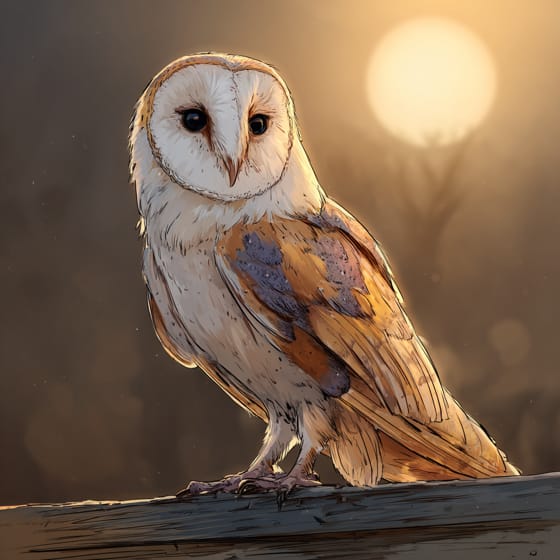
Tyto alba
A common nocturnal predator, especially in open habitats.
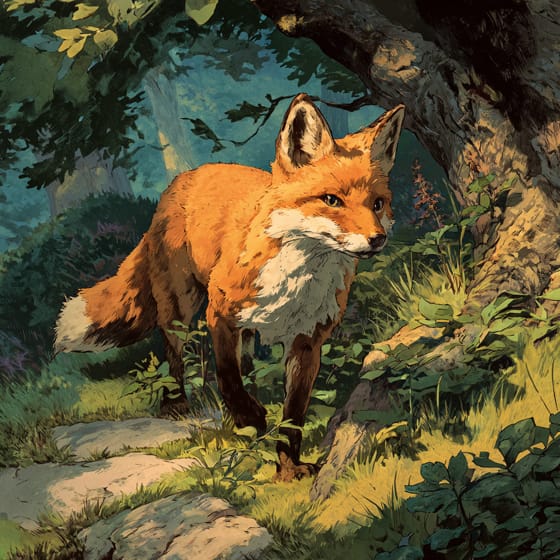
Vulpes vulpes
Often preyed upon by foxes, despite their musky scent.
Lumbricus terrestris
A primary food source found abundantly in the soil.

Carabus nemoralis
Actively hunts and consumes various species of ground beetles.
Furry describes animals possessing a dense covering of soft hair or fur.
Solitary animals live alone for most of their lives, only interacting with others for mating or parental care.
Burrowing animals dig tunnels and chambers in the ground, using these subterranean structures for shelter, hunting, or breeding.
This trait identifies organisms whose diet primarily consists of insects and other small invertebrates.

Forest habitats are terrestrial environments dominated by dense tree cover, supporting a high diversity of plant and animal life.

This trait identifies organisms that exhibit exceptional swiftness in movement for hunting, escape, or travel.
No aliases listed yet.
Danger
1/5 · Very low
It's best to watch shrews from a distance and not try to touch them, as they can be scared easily.
The easiest way to identify White-toothed Shrews is to use the Snappit nature identifier app.
4-15 cm
0.002-0.03 kg
1-2 years
10 km/h
Tiny shrews munch mostly on insects and worms, but also enjoy other small creepy-crawlies!
Forests
Foraging
Zoom in to split clusters and explore where this object has been snapped.
Recent snaps will appear here as new observations are added.
Take the discovery with you
Snap it with Snappit to identify it, learn what makes it special, and add the discovery to your collection.




.jpg&width=800)


.JPG&width=800)


.jpg&width=800)
