





European Garden Dormouse
Eliomys quercinus
The European Garden Dormouse is a small, cute animal that loves to sleep and eat fruits and nuts. It has a fluffy tail and big eyes, making it look very adorable!
Habitat: Forests
The European Garden Dormouse has soft grey-brown fur on its back and a white belly. A striking black mask surrounds its large eyes, making it look like a tiny bandit. Its long, bushy tail has a distinctive black and white tip.
Category
MammalsRarity
Common
Danger
1/5 · Very low
Snaps
Be the first to snap!
Their scientific name, *Eliomys quercinus*, translates to 'mouse of the oak tree.'
These dormice often build cozy nests inside old tree holes or abandoned bird boxes.
They are quite vocal, using many squeaks and whistles to communicate!
They can twist their hind feet backward to climb down trees headfirst, super cool!
European Garden Dormouse can enter a deep sleep called torpor, because this helps them save energy during cold or food-scarce times.
European Garden Dormouse can climb trees and navigate branches with ease, because this helps them find food and escape predators high above.
European Garden Dormouse has a tail that can detach if grabbed, because this helps them escape from predators by leaving a distraction.
These dormice are omnivores, munching on insects, snails, fruits, and even tiny eggs!
Age differences: Young feed on mother's milk, gradually adding solid foods as they grow.

Strix aluco
A common nocturnal predator that hunts dormice.
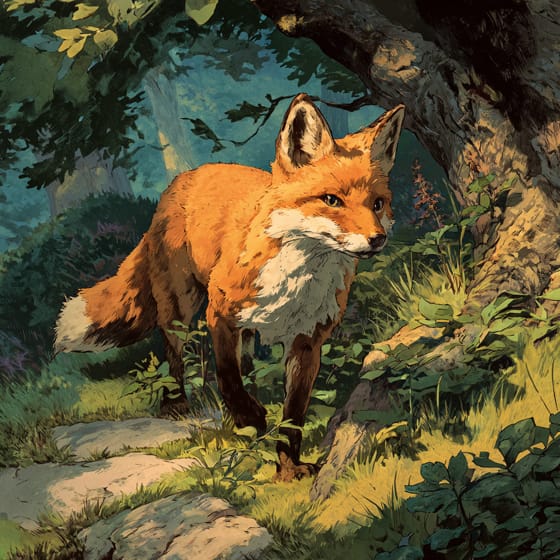
Vulpes vulpes
These clever hunters will prey on dormice if they can catch them.
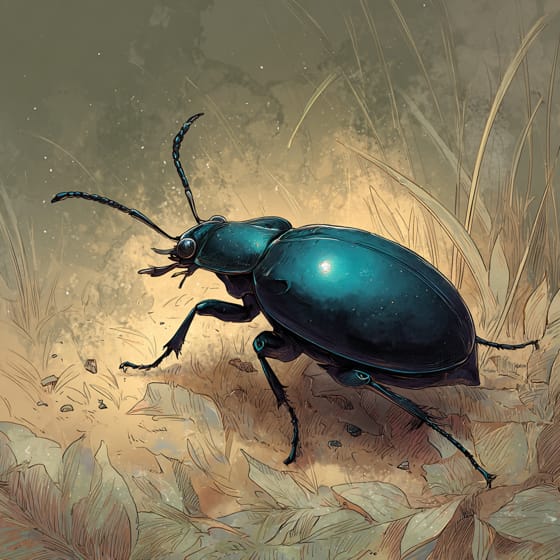
Carabus nemoralis
One of many insect species the dormouse loves to munch on.
Rubus idaeus
Dormice enjoy the sweet berries of this common plant.
Furry describes animals possessing a dense covering of soft hair or fur.
Social animals live in organized groups, cooperating for survival benefits such as foraging, defense, and raising offspring.
Arboreal animals live primarily in trees, utilizing them for shelter, food, and protection from predators.
This trait characterizes organisms whose diet consists entirely or primarily of plant material.

Forest habitats are terrestrial environments dominated by dense tree cover, supporting a high diversity of plant and animal life.
Hibernating animals enter a state of metabolic depression during cold periods or when food is scarce, characterized by reduced body temperature and activity.

Nocturnal animals are primarily active during the nighttime hours, typically resting or sleeping during the day.
No aliases listed yet.
Danger
1/5 · Very low
If you see a dormouse, watch quietly from a distance. They are shy and like to be left alone.
The easiest way to identify European Garden Dormouse is to use the Snappit nature identifier app.
10-17 cm
0.06-0.16 kg
2-5 years
20 km/h
These dormice are omnivores, munching on insects, snails, fruits, and even tiny eggs!
Forests
Foraging
Zoom in to split clusters and explore where this object has been snapped.
Recent snaps will appear here as new observations are added.
Take the discovery with you
Snap it with Snappit to identify it, learn what makes it special, and add the discovery to your collection.




.jpg&width=800)


.JPG&width=800)


.jpg&width=800)
