





European gooseberry
Ribes uva-crispa
The European gooseberry is a small, round fruit that can be green, red, or purple. It grows on bushes and is often used in yummy jams and desserts!
Habitat: Gardens
The European gooseberry is a medium-sized, spiny shrub with distinctive lobed green leaves. Its small, greenish-white flowers develop into round or oval berries, which can range in color from green and yellow to deep red or purple, often with translucent skin.
Category
PlantsRarity
Common
Danger
1/5 · Very low
Snaps
1
Ancient Romans and Greeks enjoyed gooseberries, making them a very old favorite fruit!
In some countries, gooseberries are called "wine berries" because of their unique, tart flavor!
Its name might come from an Old German word meaning "prickly berry," not actual geese!
Some wild gooseberry bushes can live for over 30 years, producing fruit decade after decade!
European gooseberry has sharp thorns that help it protect its tasty fruits and leaves from hungry animals.
Its tart or sweet berries attract birds and mammals, who then help spread its seeds to new places.
European gooseberry can thrive in various soils and climates, helping it spread widely across different habitats.
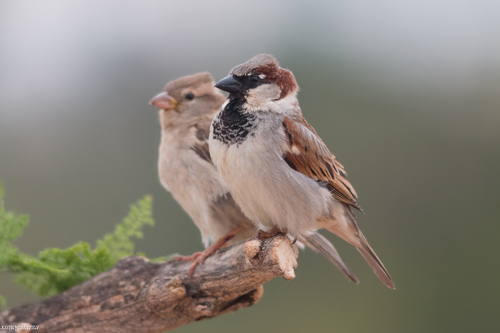
Turdus merula
birds disperse seeds after eating berries
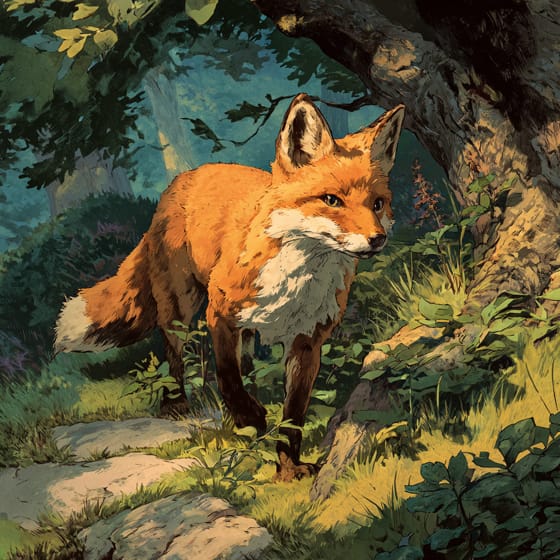
Vulpes vulpes
mammals consume berries and spread seeds
Deciduous plants periodically shed all their leaves, typically during autumn or dry seasons.
A shrub is a woody plant smaller than a tree, typically with multiple stems branching from or near the ground.
Fruit-bearing plants produce fruits, which are the mature ovaries of flowering plants containing seeds.
Medicinal plants possess chemical compounds that can be used for therapeutic purposes to treat illnesses or maintain health.

Edible plants are those parts of a plant that are considered safe for human consumption.

This habitat trait indicates species that can coexist with humans in urban and suburban environments, utilizing man-made structures and green spaces.
No aliases listed yet.
Danger
1/5 · Very low
Always wash fruits before eating them, and ask an adult if you're not sure about picking them.
The easiest way to identify European gooseberry is to use the Snappit nature identifier app.
100-150 cm
80-120 cm
0.5-1 cm
Spring
Yes
None
Perennial
Zoom in to split clusters and explore where this object has been snapped.
Take the discovery with you
Snap it with Snappit to identify it, learn what makes it special, and add the discovery to your collection.








.jpg&width=800)



_001.jpg&width=800)



