





Western Red-backed Salamander
Plethodon vehiculum
The Western Red-backed Salamander is a small, colorful creature that loves to hide under rocks and logs. They are great at blending in with their surroundings and are often found in moist forests.
Habitat: Forests
The Western Red-backed Salamander is a slender amphibian with a prominent red, orange, or yellow stripe running down its back from head to tail. Its sides are typically dark brown or black, sharply contrasting with the dorsal stripe. The belly is usually mottled light and dark, giving it a camouflaged appearance.
Category
AmphibiansRarity
Common
Danger
1/5 · Very low
Snaps
2
Female Western Red-backed Salamanders often guard their eggs until they hatch into tiny salamanderlets!
These salamanders lay their eggs on land, not in water, unlike most amphibians!
They are excellent pest controllers for tiny forest bugs, keeping insect populations balanced!
They can live for over 10 years in the wild, which is a very long time for a small salamander!
Western Red-backed Salamander has a special tail that it can drop off if a predator grabs it, helping them escape to safety.
Western Red-backed Salamander can hide from hungry predators by blending perfectly with leaves and soil, because its colors match the forest floor.
Western Red-backed Salamander can leave special scent messages for other salamanders, helping them claim territory.
They munch on tiny insects and other small invertebrates they find on the forest floor.
Thamnophis sirtalis
A common predator in its forest habitat.
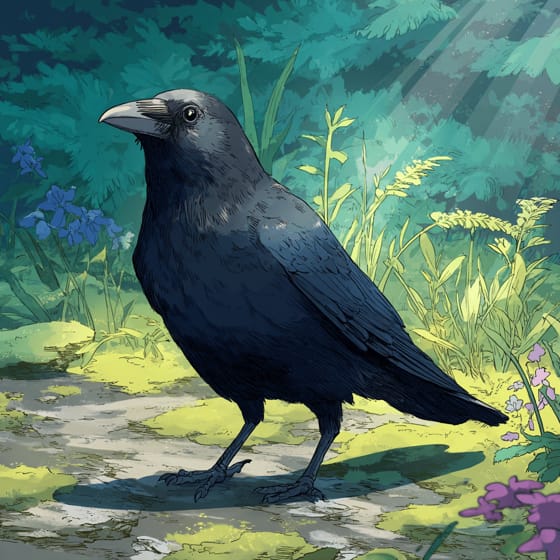
Corvus brachyrhynchos
Birds may prey on salamanders found on the forest floor.
Sorex cinereus
Small mammals are known predators of salamanders.

Arion ater
Salamanders feed on small invertebrates like slugs.
Solitary animals live alone for most of their lives, only interacting with others for mating or parental care.
Camouflaged describes organisms that possess coloring or patterns that allow them to blend into their environment.
Colorful describes organisms or objects displaying a wide range of bright and distinct colors.
This trait identifies organisms whose diet primarily consists of insects and other small invertebrates.

Describes organisms that break down dead organic material, recycling nutrients back into the ecosystem.

Forest habitats are terrestrial environments dominated by dense tree cover, supporting a high diversity of plant and animal life.

Describes a species whose presence and role have a disproportionately large effect on its environment.
Regenerative organisms possess the ability to regrow lost or damaged body parts, tissues, or organs.

Nocturnal animals are primarily active during the nighttime hours, typically resting or sleeping during the day.
No aliases listed yet.
Danger
1/5 · Very low
Always look, but don't touch! Some salamanders can be sensitive to our skin oils.
The easiest way to identify Western Red-backed Salamander is to use the Snappit nature identifier app.
4-12 cm
0.001-0.005 kg
5-10 years
0.2 km/h
They munch on tiny insects and other small invertebrates they find on the forest floor.
Forests
Foraging
Zoom in to split clusters and explore where this object has been snapped.

Washington, US
You might spot Pacific Banana Slug and Oregon Forestsnail.
View guide →
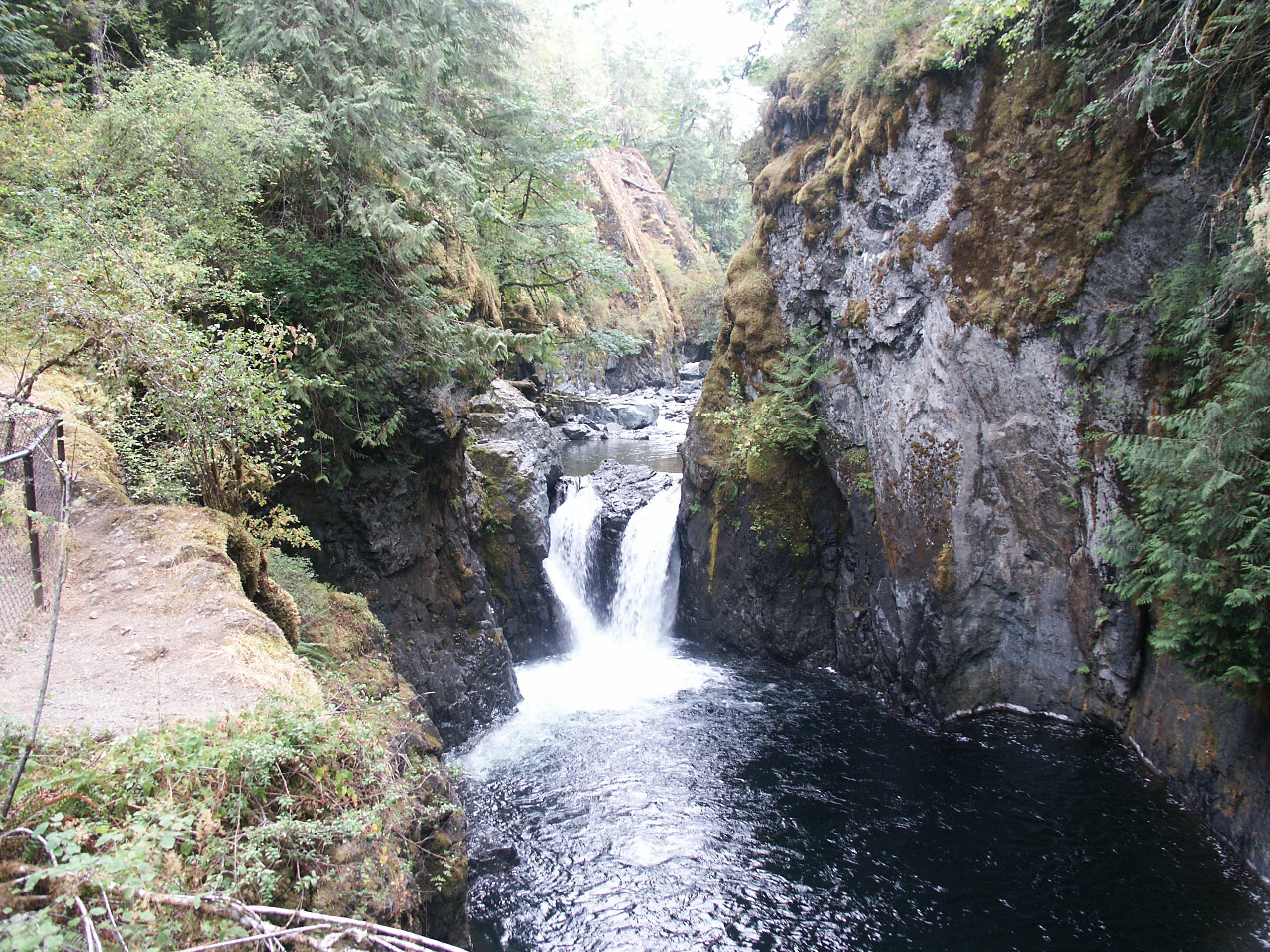
British Columbia, CA
You might spot Vanilla Leaf, Western Maidenhair Fern, and Salal.
View guide →

Oregon, US
You might spot Rough-Skinned Newt and Northern Red-Legged Frog.
View guide →
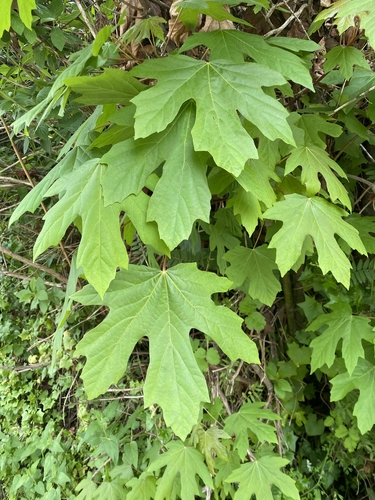
British Columbia, CA
You might spot Bigleaf Maple, Western Sword Fern, and Vanilla Leaf.
View guide →

British Columbia, CA
You might spot Western Skunk Cabbage, Western Sword Fern, and Fly Agaric.
View guide →

British Columbia, CA
You might spot Herb Robert, Western Redcedar, and Thimbleberry.
View guide →
Take the discovery with you
Snap it with Snappit to identify it, learn what makes it special, and add the discovery to your collection.





.JPG&width=800)



.jpg&width=800)
