





False Dragonhead
Physostegia purpurea
The False Dragonhead is a beautiful flower that looks like a dragon's head! It has lovely purple and white petals and grows in clusters, making gardens bright and cheerful.
Habitat: Wetlands
The False Dragonhead has upright, square stems topped with dense spikes of rosy-pink to purplish, tubular flowers. Its blossoms are uniquely shaped, resembling a dragon's head with a wide-open mouth, making it stand out among other meadow plants.
Category
PlantsRarity
Common
Danger
1/5 · Very low
Snaps
Be the first to snap!
Hummingbirds zoom in to sip sweet nectar from its pink blooms.
It can quickly spread with hidden roots, making new plants pop up!
Push its flowers gently, and they actually stay in their new spot!
This plant is a cousin to mint, but its leaves don't smell minty!
False Dragonhead can swivel its flowers and they stay put, like magic! This helps them attract pollinators from different directions.
False Dragonhead has underground stems called rhizomes that help it spread and create new plants, establishing its territory easily.
False Dragonhead has strong, square-shaped stems that make it sturdy and stand tall in windy conditions, keeping its beautiful flowers upright.
Bombus impatiens
Gathers nectar and pollen from the blooms.
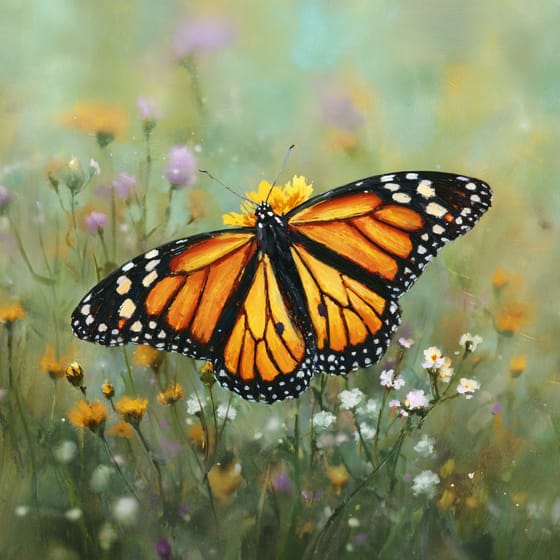
Danaus plexippus
Visits the flowers for energy-rich nectar.

Archilochus colubris
Sips sweet nectar with its long slender beak.
Flowering plants are any plants that produce flowers as part of their reproductive cycle.
Cluster flowers are inflorescences where individual flowers are arranged closely together on a common stem.
Summer blooming plants produce their flowers during the summer season, often providing vibrant color when many other plants have finished.
Fragrant flowers emit a pleasant aroma, often to attract pollinators or for defense.

Colorful describes organisms or objects displaying a wide range of bright and distinct colors.

Describes plants that are particularly attractive and beneficial to a wide range of pollinating organisms.

This habitat trait identifies species found in wetlands, which are areas of land saturated with water, either permanently or seasonally, including marshes, swamps, and bogs.
No aliases listed yet.
Danger
1/5 · Very low
Always look but don't touch flowers unless you know they are safe.
The easiest way to identify False Dragonhead is to use the Snappit nature identifier app.
30-90 cm
30-60 cm
2-3 cm
Summer to Fall
No
None
Perennial
Zoom in to split clusters and explore where this object has been snapped.
Recent snaps will appear here as new observations are added.
Take the discovery with you
Snap it with Snappit to identify it, learn what makes it special, and add the discovery to your collection.







.jpg&width=800)


_001.jpg&width=800)




