





fragrant evening primrose
Oenothera cespitosa
The fragrant evening primrose is a lovely flower that blooms in the evening. It has bright yellow petals and a sweet smell that attracts nighttime pollinators like moths.
Habitat: Grasslands
The fragrant evening primrose is a low-growing plant with large, bowl-shaped flowers that open in the evening. Its showy blooms are typically pure white, sometimes fading to a delicate pink by morning, and feature prominent yellow stamens. It forms a compact rosette close to the ground.
Category
PlantsRarity
Common
Danger
1/5 · Very low
Snaps
5
Even its taproots can be eaten, tasting a bit like parsnips or sweet potatoes!
Indigenous people once used parts of this plant for both food and traditional medicines.
Its beautiful white flowers often turn a soft pink by morning after blooming all night long!
The large, fuzzy buds look like tiny green lanterns before they magically unfurl into flowers!
Fragrant evening primrose can open its large flowers within minutes at dusk to attract night-flying pollinators with its bright display.
It has a powerful, sweet fragrance that travels far in the evening air, guiding nocturnal insects to its blossoms for nectar.
Fragrant evening primrose has a deep, thick taproot that helps it reach deep water sources and store nutrients in dry, rocky soils.
Hyles lineata
attracted to its strong night scent
Manduca sexta
visits flowers at night for nectar
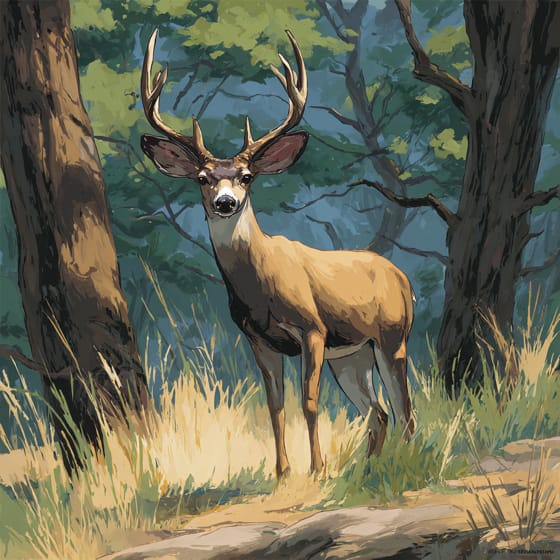
Odocoileus hemionus
deer may browse on its leaves
Aromatic plants produce and emit fragrant volatile organic compounds, often for defense or to attract pollinators.
Flowering plants are any plants that produce flowers as part of their reproductive cycle.
Fragrant flowers emit a pleasant aroma, often to attract pollinators or for defense.
Medicinal plants possess chemical compounds that can be used for therapeutic purposes to treat illnesses or maintain health.

Night blooming plants open their flowers after sunset, often to attract nocturnal pollinators with their scent and appearance.

Edible plants are those parts of a plant that are considered safe for human consumption.

Grassland habitats are terrestrial biomes dominated by grasses and herbaceous plants, supporting a variety of grazing animals.

Describes plants that are particularly attractive and beneficial to a wide range of pollinating organisms.
No aliases listed yet.
Danger
1/5 · Very low
Always look, but don't pick flowers without asking an adult first.
The easiest way to identify fragrant evening primrose is to use the Snappit nature identifier app.
5-20 cm
20-40 cm
4-7 cm
Spring to fall
Yes
None
Perennial
Zoom in to split clusters and explore where this object has been snapped.

Colorado, US
You might spot Common Side-Blotched Lizard and Eastern Collared Lizard.
View guide →

Colorado, US
You might spot Black-Billed Magpie and Twinberry Honeysuckle.
View guide →

Montana, US
You might spot Bighorn Sheep and Curlleaf Mountain Mahogany.
View guide →

Hawaii, US
You might spot 'āhinahina, Jackson's Chameleon, and Sea Turtle.
View guide →

Oregon, US
You might spot Granite Prickly Phlox, Red-Tailed Hawk, and Pronghorn.
View guide →

Nevada, US
You might spot Plains Pricklypear and Western Fence Lizard.
View guide →
Take the discovery with you
Snap it with Snappit to identify it, learn what makes it special, and add the discovery to your collection.








.jpg&width=800)


_001.jpg&width=800)



