





Florida Strangler Fig
Ficus aurea
The Florida Strangler Fig is a special tree that grows in warm places. It starts as a tiny seed and can wrap around other trees, helping to create a unique forest home.
Habitat: Forests
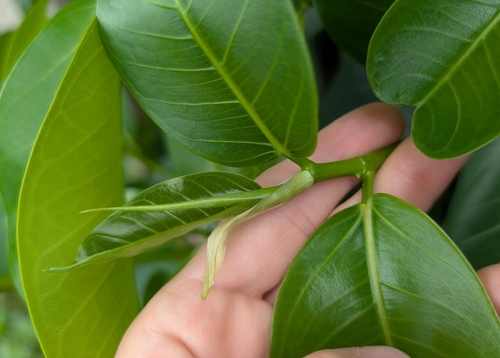
The Florida Strangler Fig is a large tree with smooth, light gray bark and dense, leathery green leaves. It often starts high on other trees, eventually developing a massive, intertwined trunk from aerial roots.
Category
PlantsRarity
Common
Danger
1/5 · Very low
Snaps
5
After strangling, the fig can leave a hollow 'ghost tree' behind!
Its thick roots can look like melting candles poured over the ground!
Many animals, like raccoons, love munching on its sweet, purple figs.
These figs grow their flowers *inside* their fruit, making them super unique!
Florida Strangler Fig starts as a tiny seed high in another tree, growing roots down to steal nutrients.
This fig can grow long, hanging aerial roots that strengthen its trunk and help it climb over objects.
It has a super secret partnership with tiny fig wasps, the only creatures that pollinate its unique hidden flowers.
Pegoscapus bleeckeri
Wasp is the only pollinator for its hidden flowers.

Mycteria americana
Storks eat the figs, helping to spread seeds far.

Procyon lotor
Raccoons consume figs, becoming important seed dispersers.
Quercus virginiana
The fig slowly envelops and often kills its host tree.
Shade tolerant plants are adapted to grow and thrive in areas with low light levels, requiring less direct sunlight.
Broadleaf trees are angiosperms characterized by flat, wide leaves that are typically shed annually in temperate climates.
Evergreen plants retain their foliage throughout the year, never shedding all their leaves at once.
Fruit-bearing plants produce fruits, which are the mature ovaries of flowering plants containing seeds.

Edible plants are those parts of a plant that are considered safe for human consumption.

Forest habitats are terrestrial environments dominated by dense tree cover, supporting a high diversity of plant and animal life.

Describes a species whose presence and role have a disproportionately large effect on its environment.

Giant describes organisms or objects of significantly larger size than average for their species or type.
Danger
1/5 · Very low
Be careful around big trees and always ask an adult before climbing.
The easiest way to identify Florida Strangler Fig is to use the Snappit nature identifier app.
1000-3000 cm
500-2000 cm
Year-round
Yes
None
Perennial
Insect
Zoom in to split clusters and explore where this object has been snapped.
Jun 1, 2026
Sunken GardensPhoto attribution
no rights reserved
License: CC0 1.0 ↗
Image may be shown cropped inside the card frame.

Florida, US
You might spot American Alligator, Brown Anole, and Red-Shouldered Hawk.
View guide →

Florida, US
You might spot White Ibis, Green Iguana, and Black-Crowned Night Heron.
View guide →

Florida, US
You might spot American Flamingo, Scarlet Macaw, and Cockatoo.
View guide →

Florida, US
You might spot Brown Anole, Osprey, and White Ibis.
View guide →

Florida, US
You might spot Brown Anole, White Ibis, and Brown Pelican.
View guide →
Florida, US
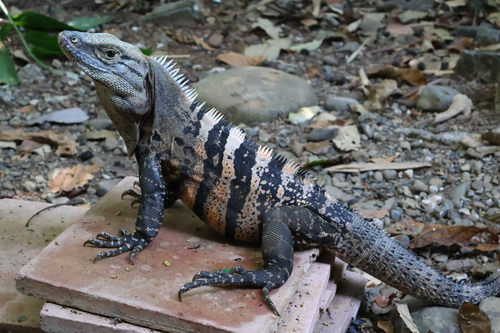
You might spot Black Spiny-Tailed Iguana, Brown Anole, and Sea Grape.
View guide →
Take the discovery with you
Snap it with Snappit to identify it, learn what makes it special, and add the discovery to your collection.








.jpg&width=800)


_001.jpg&width=800)

