.jpg&width=800)





False Heath Fritillary
Melitaea diamina
The False Heath Fritillary is a beautiful butterfly with orange and black patterns on its wings. It loves to flutter around flowers and is a special sight in meadows during warm days.
Habitat: Meadows
The False Heath Fritillary has orange-brown wings with a distinctive dark brown checkerboard pattern on the upper side. Its hindwing undersides feature pale yellow and brown bands, uniquely marked with a row of small, dark-ringed white spots, helping to distinguish it from similar fritillaries.
Category
InsectsRarity
Common
Danger
1/5 · Very low
Snaps
Be the first to snap!
Adult butterflies only live for about two weeks after emerging!
Its caterpillars have spiky black bodies with bright orange stripes!
These butterflies love to visit purple flowers to sip their sweet nectar!
They spend winter as tiny caterpillars, hidden away until spring!
False Heath Fritillary has intricate checkered wing patterns that help them blend into sun-dappled grassy meadows, avoiding detection.
False Heath Fritillary can lay its eggs specifically on certain plants, ensuring caterpillars have the right food to grow.
Caterpillars munch on leaves, while adult butterflies sip sweet nectar from flowers.
Age differences: Caterpillars eat specific host plant leaves; adults forage for nectar from various flowers.
_001.jpg&width=800)
Valeriana dioica
Caterpillars feed exclusively on its leaves.

Cirsium palustre
Adults drink nectar, helping to spread its pollen.
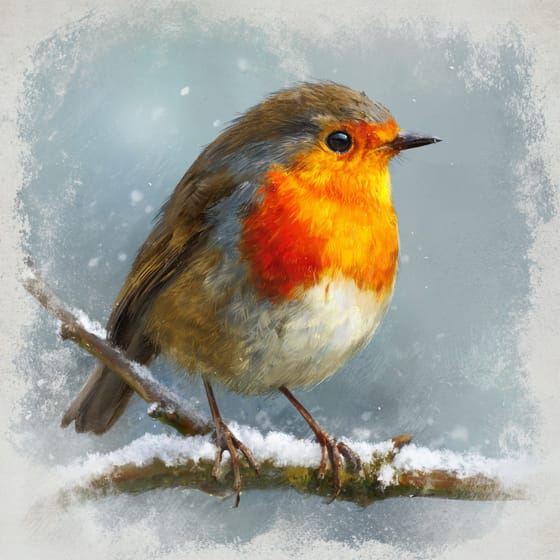
Erithacus rubecula
Young birds can prey on the adult butterflies.
Cotesia melitaearum
Its larvae develop inside the butterfly's caterpillar.
Solitary animals live alone for most of their lives, only interacting with others for mating or parental care.
Camouflaged describes organisms that possess coloring or patterns that allow them to blend into their environment.
Colorful describes organisms or objects displaying a wide range of bright and distinct colors.
Grassland habitats are terrestrial biomes dominated by grasses and herbaceous plants, supporting a variety of grazing animals.

This trait characterizes organisms whose diet consists entirely or primarily of plant material.

Describes plants that are particularly attractive and beneficial to a wide range of pollinating organisms.

Diurnal animals are primarily active during daylight hours, typically resting or sleeping at night.

Describes organisms that transfer pollen, enabling the fertilization and reproduction of plants.
No aliases listed yet.
Danger
1/5 · Very low
Be gentle and quiet around butterflies so they don't get scared away.
The easiest way to identify False Heath Fritillary is to use the Snappit nature identifier app.
32-42 mm
15-20 mm
7-14 days
8-16 km/h
Caterpillars munch on leaves, while adult butterflies sip sweet nectar from flowers.
Meadows
Foraging
Zoom in to split clusters and explore where this object has been snapped.
Recent snaps will appear here as new observations are added.
Take the discovery with you
Snap it with Snappit to identify it, learn what makes it special, and add the discovery to your collection.






.jpg&width=800)



