.jpg&width=800)





Familiar Bluet
Enallagma civile
The Familiar Bluet is a small, beautiful dragonfly with bright blue colors. They love to fly around ponds and streams, showing off their lovely wings.
Habitat: Wetlands
The Familiar Bluet is a slender damselfly, vibrantly blue with distinct black markings on its abdomen. It has two small, bright blue spots behind its large eyes and clear wings that it holds together over its back when at rest, differentiating it from dragonflies.
Category
InsectsRarity
Common
Danger
1/5 · Very low
Snaps
13
Baby bluets, called nymphs, live underwater for months before transforming.
Damselflies are ancient insects, flying since before the dinosaurs roamed!
Their delicate wings sparkle in the sun, made of tiny clear veins.
They mate in a unique 'wheel' formation, sometimes called a 'heart' shape!
Familiar Bluet larvae can breathe underwater using gills that helps them hunt other tiny aquatic creatures.
Familiar Bluets can dart and hover quickly because of their two pairs of independently moving wings that helps them catch flying insects.
Familiar Bluets have huge compound eyes that helps them spot tiny prey insects from far away.
Familiar Bluets appear vibrantly blue because of special pigments that helps them attract mates and define their territory.
This tiny hunter eats small flying insects and aquatic creatures.
Age differences: Larvae are aquatic predators, adults are aerial predators.
Culex pipiens
Helps control populations of nuisance mosquitoes.
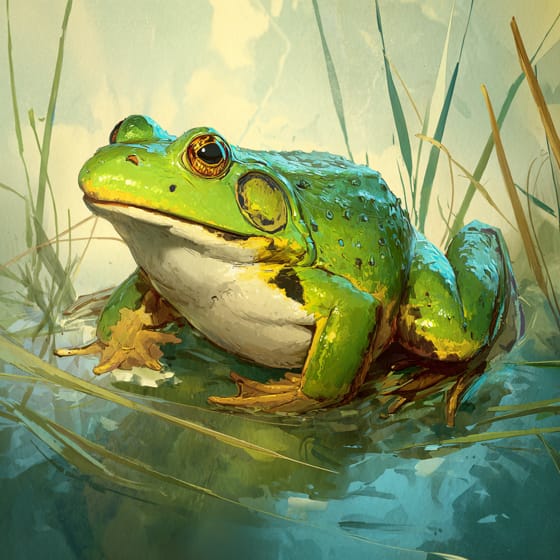
Lithobates clamitans
A common amphibian predator of adult bluets.
Gambusia affinis
Eats bluet larvae in aquatic environments.
.jpg&width=800)
Tyrannus tyrannus
Insect-eating bird that catches adult damselflies.
Nymphaea odorata
Rests on and lays eggs near aquatic plants.
Solitary animals live alone for most of their lives, only interacting with others for mating or parental care.
Aerial creatures spend a significant portion of their lives airborne, utilizing flight for various activities such as hunting, migration, or nesting.
Colorful describes organisms or objects displaying a wide range of bright and distinct colors.
This trait identifies organisms whose diet primarily consists of insects and other small invertebrates.

This habitat trait identifies species found in wetlands, which are areas of land saturated with water, either permanently or seasonally, including marshes, swamps, and bogs.

Diurnal animals are primarily active during daylight hours, typically resting or sleeping at night.

Freshwater habitats include non-saline aquatic environments such as rivers, lakes, ponds, and wetlands, vital for numerous species.

This trait identifies organisms that exhibit exceptional swiftness in movement for hunting, escape, or travel.

Describes organisms that transfer pollen, enabling the fertilization and reproduction of plants.
No aliases listed yet.
Danger
1/5 · Very low
Dragonflies are harmless but always watch them from a distance.
The easiest way to identify Familiar Bluet is to use the Snappit nature identifier app.
30-50 mm
25-40 mm
15-30 days
5-10 km/h
This tiny hunter eats small flying insects and aquatic creatures.
Wetlands
Pursuit
Zoom in to split clusters and explore where this object has been snapped.

Texas, US
You might spot Anole, Monarch, and Pinkladies.
View guide →

Ohio, US
You might spot Widow Skimmer, Eastern Pondhawk, and Bee.
View guide →

New Mexico, US
You might spot Vermilion Flycatcher, Turkey, and American Rubyspot.
View guide →
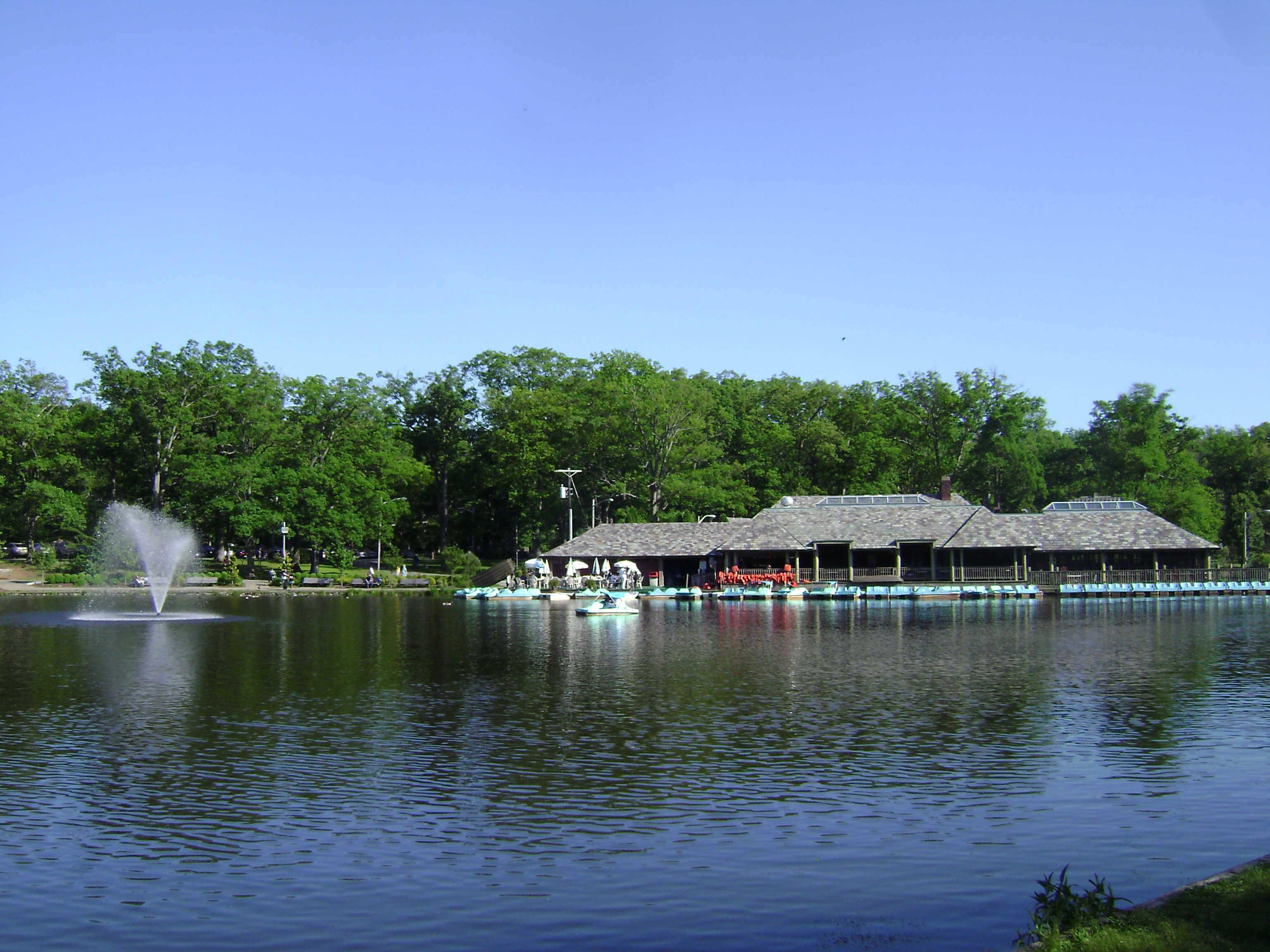
New Jersey, US
You might spot White-Tailed Deer, American Robin, and Spotted Lanternfly.
View guide →

Texas, US
You might spot Leonora's Dancer and Ornate Tree Lizard.
View guide →

Ohio, US
You might spot Bluegill, Duck, and Eastern Forktail.
View guide →
Take the discovery with you
Snap it with Snappit to identify it, learn what makes it special, and add the discovery to your collection.








.jpg&width=800)



