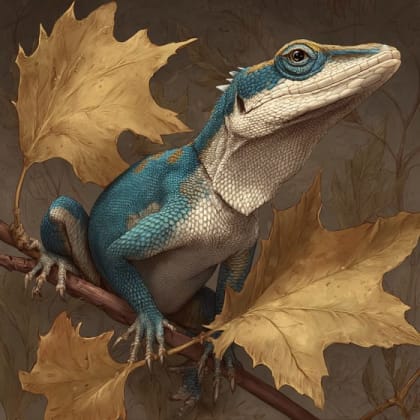





Anole

The Botanical Research Institute of Texas (BRIT) is a dynamic hub for plant science, conservation, and education.
The Botanical Research Institute of Texas (BRIT) is a dynamic hub for plant science, conservation, and education.
BRIT stands as a global leader in botanical research, dedicated to exploring, documenting, and conserving the plant world. It champions environmental stewardship through its extensive collections, pioneering research, and engaging educational programs. This institution is not just a repository of knowledge but an active catalyst for understanding and preserving our planet's botanical heritage, inspiring visitors with the profound value plants bring to life.
Within its LEED Platinum certified building, BRIT houses remarkable collections, including the Philecology Herbarium, one of the ten largest in the United States, safeguarding over 1.5 million preserved plant specimens, some dating back to the 1700s. The expansive Botanical Library features over 120,000 volumes, including rare botanical texts and the engaging Burk Children's Library. The vital Conservation Seed Bank actively preserves the genetic diversity of rare and threatened native Texas plants. The institute also features a Pocket Prairie and Pollinator Pathway, showcasing native Texas ecosystems and their critical role in supporting biodiversity.
Visiting BRIT offers a unique opportunity to connect with plant science and conservation in an inspiring setting. Explore the innovative, eco-friendly architecture and its sustainable features like the green roof, designed with native Texan prairie plants. Engage with rotating art exhibitions that beautifully merge science and aesthetics, offering fresh perspectives on the botanical world. BRIT provides a captivating experience for anyone curious about plants, the environment, and sustainable living, leaving visitors with a deeper appreciation for nature's intricate wonders. Be ready to snap and learn! Get the Snappit app to identify any nature species you find here.
The Botanical Research Institute of Texas (BRIT) was founded in 1987, initially established to house the significant herbarium and botanical library collections of Lloyd H. Shinners from Southern Methodist University. Over the years, BRIT's collections grew substantially, incorporating other "orphaned" herbaria, such as those from Vanderbilt University, Southeastern Oklahoma State University, and Dartmouth College. In 2011, BRIT relocated to its current state-of-the-art facility, a 70,000-square-foot building adjacent to the Fort Worth Botanic Garden. This new headquarters achieved LEED-NC Platinum certification from the U.S. Green Building Council, reflecting BRIT's commitment to environmental sustainability. In a significant development in October 2020, BRIT entered into an agreement with the City of Fort Worth to manage the Fort Worth Botanic Garden, further integrating its research and conservation mission with public horticultural displays.
Take a self-guided tour of the environmentally conscious BRIT building and its surrounding landscape.
* Attend public lectures, workshops, or educational programs.
* Engage with current art exhibitions.
* For a deeper dive, schedule an appointment to explore the vast herbarium and library collections.
A weekly green market is held on the campus from April to October. The green roof blooms with native wildflowers during spring.
The BRIT building is wheelchair-accessible, featuring ramps and a covered drop-off area. One wheelchair is available for loan on a first-come, first-served basis. Paved, wheelchair-accessible paths connect major areas, and the Fort Worth Botanic Garden (managed by BRIT) offers a wheelchair-accessible shuttle (Beauty Bus) to its main attractions.
Explore the sustainable architecture, including the green roof, bamboo ceilings, and natural lighting.
Discover compelling displays in the Madeline Samples Exhibit Hall that blend art and botanical science. Current or recent examples include botanical photographs and plant-themed artworks.
Walk through these outdoor spaces demonstrating native Texas flora and their ecological importance.
These vast research collections are open to the public by appointment only, Tuesday through Friday, 10 a.m. to 4 p.m. Consider a guided tour to learn more about their significance.
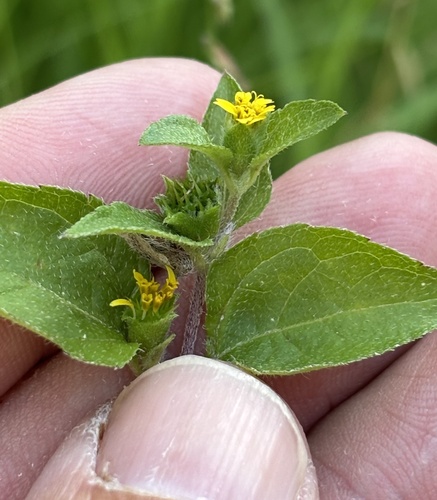
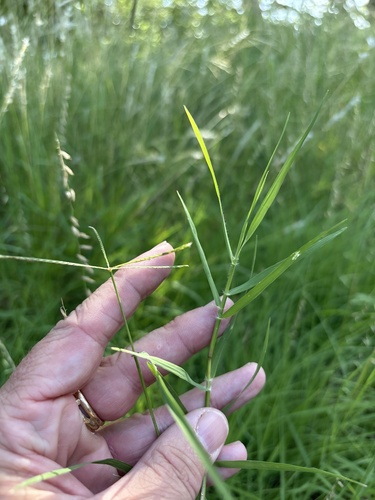
Each card links to a full Explore page with photos, traits, and fun facts.
Start with the big picture, then zoom in to explore individual wildlife observations around this place.
Check the Calendar
** Before visiting, check BRIT's online calendar for current art exhibitions, public lectures, workshops, or special events that align with your interests.
Combine Your Visit
BRIT is adjacent to the Fort Worth Botanic Garden, which it manages. Consider planning a combined visit to explore both the research institute and the diverse gardens.
Plan Research Access
If you wish to utilize the Philecology Herbarium or Botanical Library for research, remember to make an appointment in advance, as these facilities are not open for casual public browsing.
Explore Sustainably
Take a self-guided tour of the BRIT building to appreciate its LEED Platinum design and environmental features, which are an integral part of its educational mission.
Comfortable Footwear
Wear comfortable shoes, especially if you plan to explore the outdoor Pocket Prairie, Pollinator Pathway, or extend your visit to the expansive Fort Worth Botanic Garden.
Stay Hydrated
During warmer months, especially in Texas, bring water to stay hydrated while exploring the outdoor areas.
Jun 9, 2026
Photo attribution
(c) Sam Kieschnick, some rights reserved (CC BY)
License: CC BY 4.0 ↗
Image may be shown cropped inside the card frame.
Jun 9, 2026
Photo attribution
(c) Sam Kieschnick, some rights reserved (CC BY)
License: CC BY 4.0 ↗
Image may be shown cropped inside the card frame.
Jun 15, 2026
Jun 15, 2026
Jun 15, 2026

Maryland, US
You might spot White-Tailed Deer and Eastern Gray Squirrel.
View guide →
.jpg)
District of Columbia, US
You might spot Eastern Gray Squirrel, Duck, and House Sparrow.
View guide →

Illinois, US
You might spot American Robin, Canada Goose, and House Sparrow.
View guide →

Virginia, US
You might spot Spotted Lanternfly and Northern Cardinal.
View guide →
Take the discovery with you
Identify the wildlife you spot, learn as you go, and keep a collection of the adventure.


































.jpg&width=800)