





field chickweed
Cerastium arvense
Field chickweed is a small, green plant with tiny white flowers. It often grows in fields and gardens, making it easy to spot during spring and summer.
Habitat: Grasslands
The field chickweed has delicate white flowers, each with five petals so deeply notched they appear as ten. Its slender, often hairy stems are covered with small, narrow, green leaves, forming low, spreading mats close to the ground.
Category
PlantsRarity
Common
Danger
1/5 · Very low
Snaps
1
Did you know its five petals are each split almost in half, making them look like ten? Wow!
Its tiny, sticky hairs on stems help catch water droplets and protect from thirsty insects!
This clever plant can produce seeds for many months, ensuring new plants grow for ages!
Young field chickweed leaves are sometimes added to salads, a tiny wild treat!
Field chickweed can grow low and spread wide, forming dense mats that help it survive strong winds and foot traffic.
Its flowers have deeply split petals that look like ten, making them extra visible to buzzing insect pollinators.
Field chickweed can thrive in poor, disturbed soils, making it one of nature's super hardy pioneer plants.
Apis mellifera
Collects nectar and pollen from its flowers.
Bombus terrestris
Visits flowers for nectar and pollen.
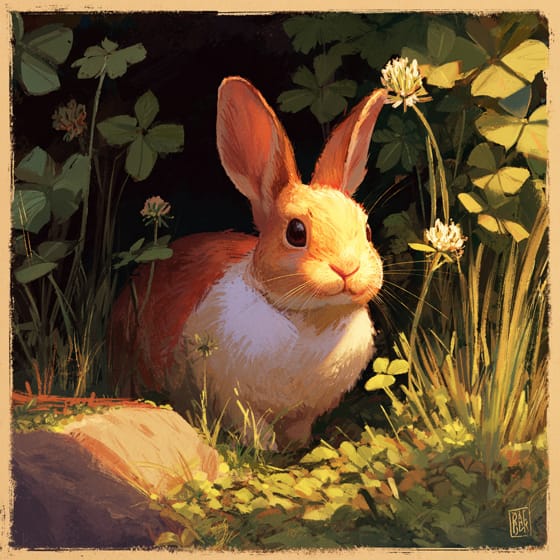
Oryctolagus cuniculus
Young leaves are a common food source.
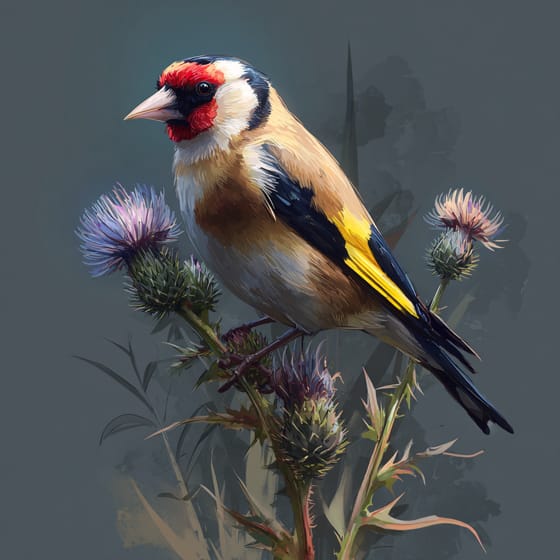
Carduelis carduelis
Feeds on its small seeds.
Flowering plants are any plants that produce flowers as part of their reproductive cycle.
Spring blooming plants produce their flowers during the spring season, often signifying the end of winter and the start of new growth.
Edible plants are those parts of a plant that are considered safe for human consumption.
Grassland habitats are terrestrial biomes dominated by grasses and herbaceous plants, supporting a variety of grazing animals.

Describes plants that are particularly attractive and beneficial to a wide range of pollinating organisms.

Rapid growing plants exhibit accelerated growth rates, quickly increasing in size and biomass within a short period.
No aliases listed yet.
Danger
1/5 · Very low
Always check with an adult before touching or picking plants.
The easiest way to identify field chickweed is to use the Snappit nature identifier app.
10-40 cm
15-60 cm
1-2 cm
Spring to Summer
Yes
None
Perennial
Zoom in to split clusters and explore where this object has been snapped.

Montana, US
You might spot Black Bear, Brown Bear, and Moose.
View guide →
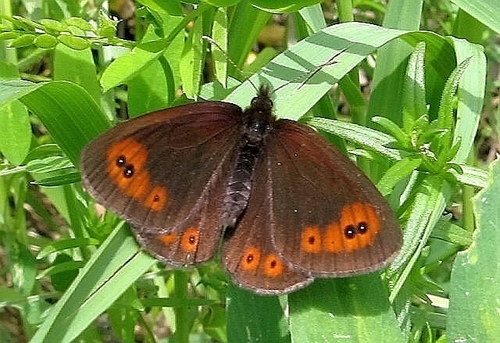
British Columbia, CA
You might spot Common Alpine, Common Juniper, and Field Chickweed.
View guide →

British Columbia, CA
You might spot Salal, Evergreen Huckleberry, and Douglas Fir.
View guide →
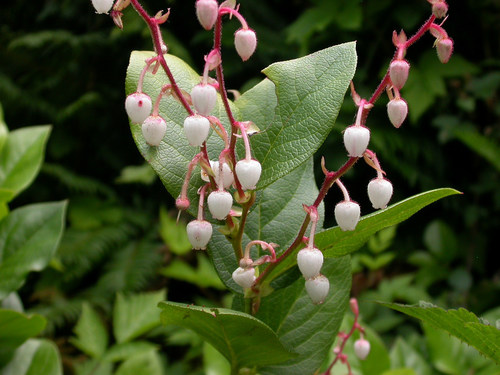
British Columbia, CA
You might spot Salal, Small Ground-Cone, and Evergreen Huckleberry.
View guide →
British Columbia, CA
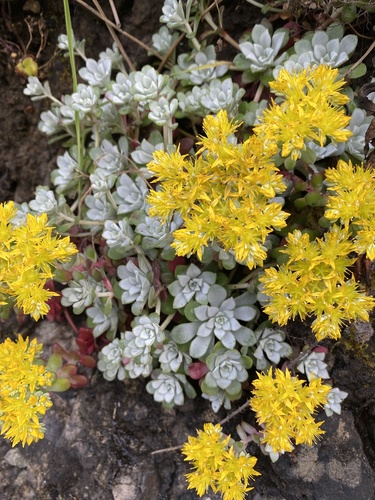
You might spot Broad-Leaved Stonecrop and Western Rattlesnake Plantain.
View guide →
Take the discovery with you
Snap it with Snappit to identify it, learn what makes it special, and add the discovery to your collection.








.jpg&width=800)



_001.jpg&width=800)



