

Black Bear

Sherburne Ranger Station Historic District, nestled in the scenic Swiftcurrent area of Glacier National Park, is a captivating example of the National Park Service Rustic architectural style.
Sherburne Ranger Station Historic District, nestled in the scenic Swiftcurrent area of Glacier National Park, is a captivating example of the National Park Service Rustic architectural style. This charming collection of structures, including the original ranger station and a mess hall, transports visitors back to an earlier era of park management and exploration. Its robust, nature-integrated design makes it a unique architectural highlight within the grandeur of Glacier's landscape.
Visitors can explore the historic buildings, which exemplify a design philosophy emphasizing harmony with the natural surroundings and the use of local materials. The district provides a sense of the early days of park administration and the dedication of the rangers who worked in these remote areas. Beyond the buildings, the surrounding Swiftcurrent area offers breathtaking views of towering peaks and serene waters, inviting contemplation and photography.
This historic district is worth visiting not only for its architectural significance but also for its ability to connect visitors with the rich human history woven into Glacier National Park. It serves as a quiet reminder of the challenges and commitment involved in preserving America's wild places, offering a memorable and educational experience within one of the country's most iconic natural treasures. Planning to visit? Download the Snappit app to identify the wildlife you spot in real-time.
The Sherburne Ranger Station Historic District has a notable history rooted in the development and management of Glacier National Park. The original Sherburne Ranger Station was constructed in 1926, designed in the distinctive National Park Service Rustic architectural style, which blends structures seamlessly into their natural environment. The district expanded to include a mess hall and other subsidiary structures, becoming known as the Sherburne Road Camp, established in 1931. This historic area was officially added to the National Register of Historic Places on December 16, 1986, recognizing its significance in the context of park history and architecture. The Sherburne Ranger Station itself shares design similarities with other ranger stations within Glacier National Park, such as those at Belly River and Lake McDonald, showcasing a consistent architectural approach across the park's early infrastructure.
Each card links to a full Explore page with photos, traits, and fun facts.
Start with the big picture, then zoom in to explore individual wildlife observations around this place.
Combine your visit with other attractions in the Swiftcurrent and Many Glacier areas, such as Swiftcurrent Lake and Grinnell Glacier Trail, to make the most of your trip.
Bring a good camera to capture the rustic architecture against the backdrop of Glacier's stunning mountain scenery.
Wear comfortable walking shoes, even if you only plan to view the buildings from the outside, as the area might involve some walking.
Check the Glacier National Park website or visitor centers for current road conditions and any closures, especially outside of peak summer months.
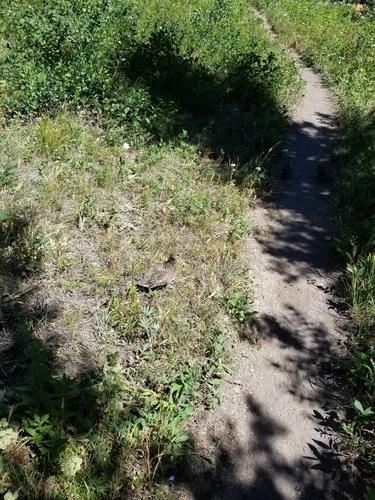
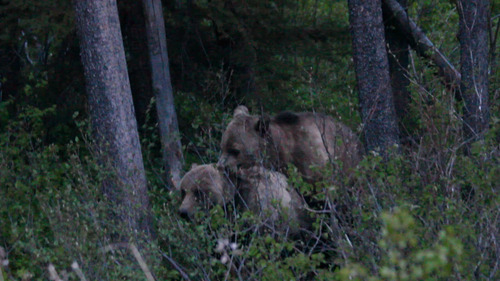
Carry bear spray and know how to use it, as the district is located within active bear habitat in Glacier National Park.
Pack water, snacks, and layers of clothing, as weather in the mountains can change rapidly.
Jul 23, 2025
Photo attribution
(c) Oscar Dove, some rights reserved (CC BY)
License: CC BY 4.0 ↗
Image may be shown cropped inside the card frame.
Aug 15, 2022
Photo attribution
(c) Shane Guenin, some rights reserved (CC BY)
License: CC BY 4.0 ↗
Image may be shown cropped inside the card frame.
Jun 17, 2022
Photo attribution
(c) Romain Boisseau, some rights reserved (CC BY-SA)
License: CC BY-SA 4.0 ↗
Image may be shown cropped inside the card frame.
Jun 17, 2022
Photo attribution
(c) Romain Boisseau, some rights reserved (CC BY-SA)
License: CC BY-SA 4.0 ↗
Image may be shown cropped inside the card frame.
Jun 17, 2022
Photo attribution
(c) Romain Boisseau, some rights reserved (CC BY-SA)
License: CC BY-SA 4.0 ↗
Image may be shown cropped inside the card frame.

Maryland, US
You might spot White-Tailed Deer and Eastern Gray Squirrel.
View guide →
.jpg)
District of Columbia, US
You might spot Eastern Gray Squirrel, Duck, and House Sparrow.
View guide →

Illinois, US
You might spot American Robin, Canada Goose, and House Sparrow.
View guide →

Virginia, US
You might spot Spotted Lanternfly and Northern Cardinal.
View guide →
Take the discovery with you
Identify the wildlife you spot, learn as you go, and keep a collection of the adventure.