





Chinese Tallow
Triadica sebifera
The Chinese Tallow is a tree that grows tall and has beautiful leaves that change colors in the fall. It can grow in many places and is known for its pretty white flowers in spring.
Habitat: Urban areas
The Chinese Tallow is a medium-sized tree with a rounded crown and distinctive heart-shaped leaves. Its foliage turns spectacular shades of red, orange, and purple in autumn, making it visually striking. In winter, it reveals clusters of waxy, white, popcorn-like seeds.
Category
PlantsRarity
Common
Danger
2/5 · Low
Snaps
40
Its waxy seeds were once used to make candles and soap in ancient China!
Many types of birds, like doves and starlings, enjoy eating its fatty seeds.
The Chinese Tallow is also known as the 'Popcorn Tree' because of its white seeds!
This tough tree can grow well even in very salty coastal soils.
Chinese Tallow has seeds coated in a white, waxy fat that helps them float and spread in water.
Chinese Tallow produces toxic compounds in its leaves and seeds, deterring most animals from eating them.
Chinese Tallow can grow quickly and tolerate diverse soils, helping it outcompete other plants.
Apis mellifera
collects nectar from its small flowers.
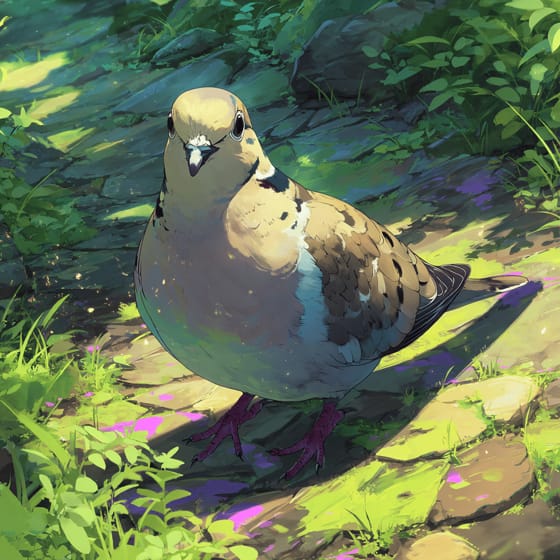
Zenaida macroura
eats its fatty seeds, aiding dispersal.

Colinus virginianus
forages for its abundant seeds.
Deciduous plants periodically shed all their leaves, typically during autumn or dry seasons.
Flowering plants are any plants that produce flowers as part of their reproductive cycle.
Spring blooming plants produce their flowers during the spring season, often signifying the end of winter and the start of new growth.
Broadleaf trees are angiosperms characterized by flat, wide leaves that are typically shed annually in temperate climates.

Fragrant flowers emit a pleasant aroma, often to attract pollinators or for defense.

Fall color refers to the seasonal change in foliage pigmentation, primarily in deciduous plants, displaying vibrant hues.

Describes plants that are particularly attractive and beneficial to a wide range of pollinating organisms.

Rapid growing plants exhibit accelerated growth rates, quickly increasing in size and biomass within a short period.

This habitat trait indicates species that can coexist with humans in urban and suburban environments, utilizing man-made structures and green spaces.

Invasive species are non-native organisms that cause harm to the environment, economy, or human health.
Danger
2/5 · Low
Do not eat the seeds or flowers, as they can be harmful.
The easiest way to identify Chinese Tallow is to use the Snappit nature identifier app.
600-1500 cm
500-1000 cm
0.2-0.5 cm
Spring
No
Moderate
Perennial
Zoom in to split clusters and explore where this object has been snapped.

South Carolina, US
You might spot Anole, Green Treefrog, and Eastern Gray Squirrel.
View guide →

South Carolina, US
You might spot American Alligator, Anole, and Great Blue Heron.
View guide →
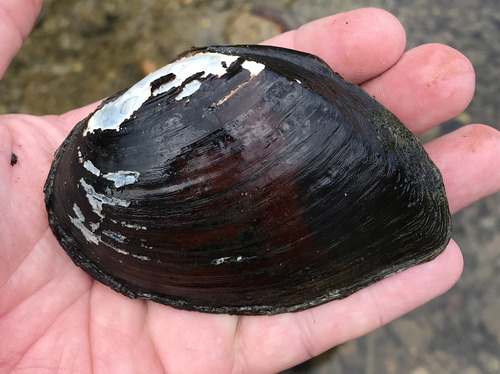
Alabama, US
You might spot Elephantear, Three-Ridge Mussel, and Rough Fatmucket.
View guide →

Louisiana, US
You might spot Brown Anole, White Ibis, and Duck.
View guide →

Alabama, US
You might spot American Beautyberry, White-Tailed Deer, and Peppervine.
View guide →

Alabama, US
You might spot Eastern Box Turtle, Carolina Wren, and Field Sparrow.
View guide →
Take the discovery with you
Snap it with Snappit to identify it, learn what makes it special, and add the discovery to your collection.







.jpg&width=800)
_001.jpg&width=800)




