_(8395478679).jpg&width=800)





Florida pennyroyal
Piloblephis rigida
Florida pennyroyal is a small, fragrant plant that grows close to the ground. It has tiny leaves and pretty purple flowers that attract butterflies and bees.
Habitat: Coastal areas
The Florida pennyroyal is a low-growing, aromatic herb with small, stiff, dark green leaves. Its tiny, tubular flowers bloom in clusters, usually displaying delicate shades of lavender, pink, or white, making it a subtle beauty in its natural habitat.
Category
PlantsRarity
Common
Danger
2/5 · Low
Snaps
Be the first to snap!
For centuries, people have brewed its leaves to make a traditional, refreshing minty tea!
Its scientific name, Piloblephis, means "hairy lip," describing its fuzzy little flowers!
Rubbing its leaves releases a powerful, refreshing minty aroma!
This tough native plant thrives in sandy, dry soils where others wilt!
Florida pennyroyal has tough roots that help it thrive even in poor, sandy soils and harsh, sunny conditions.
Florida pennyroyal produces small, nectar-rich flowers that act as a vibrant landing strip for busy bees and butterflies.
Apis mellifera
visits flowers for nectar and pollen
Bombus impatiens
an important native pollinator
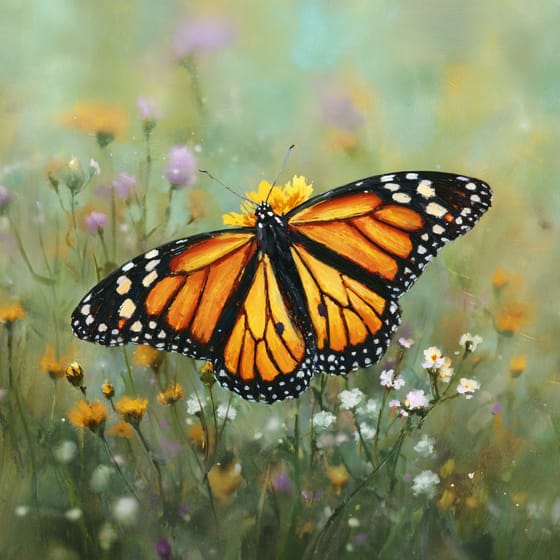
Danaus plexippus
sips nectar from its small blossoms
Aromatic plants produce and emit fragrant volatile organic compounds, often for defense or to attract pollinators.
Flowering plants are any plants that produce flowers as part of their reproductive cycle.
Summer blooming plants produce their flowers during the summer season, often providing vibrant color when many other plants have finished.
Fragrant flowers emit a pleasant aroma, often to attract pollinators or for defense.

Medicinal plants possess chemical compounds that can be used for therapeutic purposes to treat illnesses or maintain health.

Edible plants are those parts of a plant that are considered safe for human consumption.

Describes plants that are particularly attractive and beneficial to a wide range of pollinating organisms.

Coastal habitats are dynamic environments located along the interface between land and sea, influenced by tides, waves, and saltwater.
No aliases listed yet.
Danger
2/5 · Low
Always ask an adult before touching or tasting plants.
The easiest way to identify Florida pennyroyal is to use the Snappit nature identifier app.
10-30 cm
15-45 cm
0.5-1 cm
Late spring to fall
Yes
None
Perennial
Zoom in to split clusters and explore where this object has been snapped.
Recent snaps will appear here as new observations are added.
Take the discovery with you
Snap it with Snappit to identify it, learn what makes it special, and add the discovery to your collection.








.jpg&width=800)


_001.jpg&width=800)



