





Forest Bumble Bee
Bombus sylvicola
The Forest Bumble Bee is a fuzzy little insect that loves to buzz around flowers. They help plants grow by spreading pollen, making them very important for nature!
Habitat: Forests
The Forest Bumble Bee is a medium-sized, fuzzy bee with a mostly black body, accented by yellow bands across its thorax and the first abdominal segment. Its most distinguishing feature is a vibrant reddish-orange tail, making it stand out from similar species.
Category
InsectsRarity
Common
Danger
1/5 · Very low
Snaps
Be the first to snap!
Each queen bumble bee starts her entire new colony alone every spring!
Some Forest Bumble Bees are secret nectar 'robbers', chewing holes in flowers to sip nectar!
They can remember the locations of the best flowers for many days, even weeks!
Wow, these bees use their wings to create a breeze, cooling down their nests on hot days!
Forest Bumble Bee can 'buzz-pollinate' flowers by vibrating its body, releasing pollen that other insects often can't reach.
Forest Bumble Bee has a dense, fuzzy coat and can shiver its flight muscles, helping it stay warm and fly in cooler temperatures.
Forest Bumble Bee has a relatively long tongue that helps it reach nectar deep inside tubular flowers, accessing more food sources.
These fuzzy bees sip sweet nectar for energy and gather protein-rich pollen to feed their young!
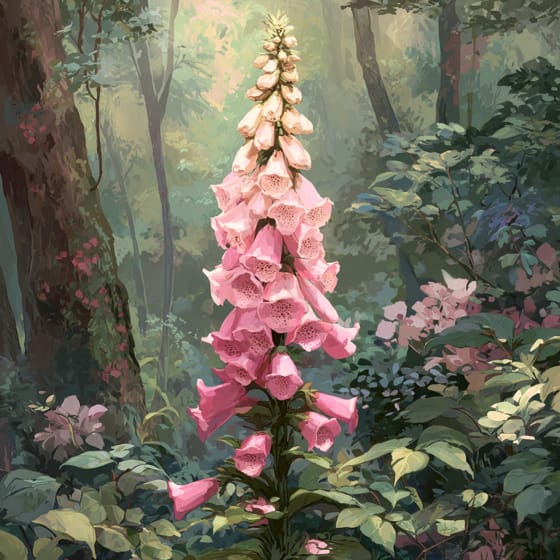
Digitalis purpurea
Helps reproduce by transferring pollen

Trifolium pratense
An important pollinator for this plant
Bombus bohemicus
Lays eggs in their nests

Lanius collurio
Can be prey for these birds
Furry describes animals possessing a dense covering of soft hair or fur.
Social animals live in organized groups, cooperating for survival benefits such as foraging, defense, and raising offspring.
This trait characterizes organisms whose diet consists entirely or primarily of plant material.
Describes plants that are particularly attractive and beneficial to a wide range of pollinating organisms.

Forest habitats are terrestrial environments dominated by dense tree cover, supporting a high diversity of plant and animal life.

Diurnal animals are primarily active during daylight hours, typically resting or sleeping at night.

Describes a species whose presence and role have a disproportionately large effect on its environment.

Describes organisms that transfer pollen, enabling the fertilization and reproduction of plants.
No aliases listed yet.
Danger
1/5 · Very low
Don't touch bees, but watch them from a distance. They are usually friendly!
The easiest way to identify Forest Bumble Bee is to use the Snappit nature identifier app.
20-35 mm
10-18 mm
14-42 days
20 km/h
These fuzzy bees sip sweet nectar for energy and gather protein-rich pollen to feed their young!
Forests
Foraging
Zoom in to split clusters and explore where this object has been snapped.
Recent snaps will appear here as new observations are added.
Take the discovery with you
Snap it with Snappit to identify it, learn what makes it special, and add the discovery to your collection.







.jpg&width=800)


