





Red-backed Shrike
Lanius collurio
The Red-backed Shrike is a small bird with a striking red back and a black mask. It loves to sit on fences and watch for insects to eat. This bird is known for its unique hunting style!
Habitat: Grasslands
The Red-backed Shrike male has a distinctive reddish-brown back, a grey head with a black 'bandit mask' across its eyes, and a pale pinkish belly. Females are duller brown with wavy patterns on their flanks, lacking the strong mask.
Category
BirdsRarity
Common
Danger
1/5 · Very low
Snaps
Be the first to snap!
Males show off their hunting skills by offering prey to females during courtship!
Red-backed Shrike babies are born naked and blind, needing constant care!
Their hooked beak helps them tear up tough prey, like a tiny raptor's beak!
These birds build cup-shaped nests, often deep within thorny, protective bushes!
Red-backed Shrikes can impale prey on thorns because they lack strong talons, helping them tear food into pieces or store it.
Red-backed Shrikes have a diverse song that includes imitations of other birds, which helps them attract mates.
Red-backed Shrikes can spot prey from a perch and dive swiftly because they have sharp eyesight, helping them catch insects.
Red-backed Shrikes have an incredible sense of direction because they travel thousands of kilometers, helping them migrate yearly.
They are tiny hunters that eat mostly big insects and sometimes small animals!
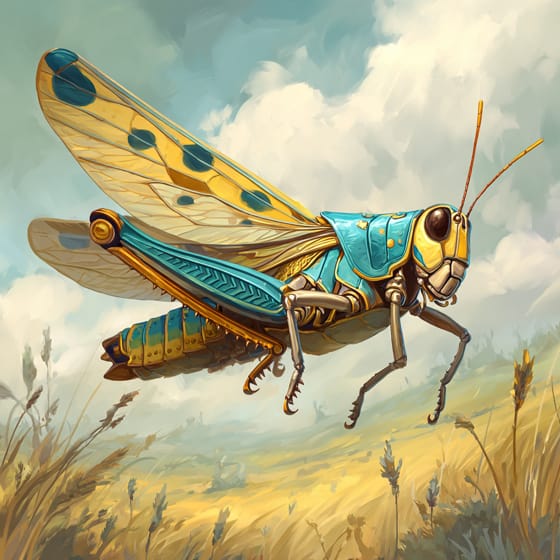
Locusta migratoria
A primary food source of large insects.
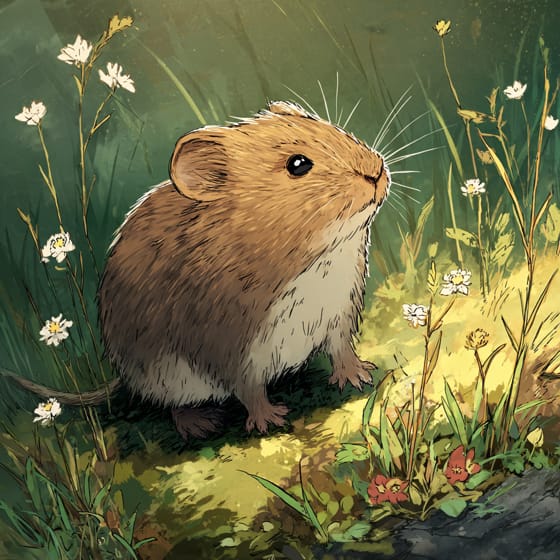
Microtus arvalis
Hunts small rodents when available.

Accipiter nisus
A swift raptor that preys on shrikes.

Prunus spinosa
Thorny bushes offer safe nesting and food storage.
Feathered describes animals, primarily birds, possessing a covering of feathers.
Solitary animals live alone for most of their lives, only interacting with others for mating or parental care.
Singing animals produce complex vocalizations, often for purposes of attracting mates, defending territory, or communicating within their species.
Colorful describes organisms or objects displaying a wide range of bright and distinct colors.

Grassland habitats are terrestrial biomes dominated by grasses and herbaceous plants, supporting a variety of grazing animals.

This trait identifies organisms whose diet primarily consists of insects and other small invertebrates.

An ambush predator hunts by patiently waiting and concealing itself, then launching a sudden attack when unsuspecting prey comes within range.

Diurnal animals are primarily active during daylight hours, typically resting or sleeping at night.
No aliases listed yet.
Danger
1/5 · Very low
Enjoy watching birds from a distance and be quiet so you don't scare them away.
The easiest way to identify Red-backed Shrike is to use the Snappit nature identifier app.
16-18 cm
24-27 cm
0.025-0.035 kg
5-8 years
40 km/h
They are tiny hunters that eat mostly big insects and sometimes small animals!
Grasslands
Zoom in to split clusters and explore where this object has been snapped.
Recent snaps will appear here as new observations are added.
Take the discovery with you
Snap it with Snappit to identify it, learn what makes it special, and add the discovery to your collection.




.jpg&width=800)







