





Formica cinerea
Formica cinerea
The Formica cinerea, also known as the gray ant, is a small insect that lives in colonies. They work together to find food and build their homes in the ground or in wood.
Habitat: Urban areas
The Formica cinerea is a medium-sized ant, typically dark gray to grayish-black. Its dull, non-shiny body helps it blend into its sandy, open habitats. It looks similar to other Formica ants but is distinguished by its specific coloration and fine hairs.
Category
InsectsRarity
Common
Danger
1/5 · Very low
Snaps
Be the first to snap!
Formica cinerea is super sensitive to ground vibrations, helping them detect danger from afar!
Some Formica cinerea colonies can have several queens, making their "royal family" huge!
Their underground nests can be incredibly complex, with many tunnels and chambers!
They 'farm' tiny insects called aphids for a sugary treat called honeydew!
Formica cinerea has incredible strength that helps them carry objects many times their own body weight back to the nest.
Formica cinerea can send complex messages using special scent chemicals called pheromones that help them coordinate tasks.
Formica cinerea can squirt formic acid that helps them deter predators and paralyze prey effectively.
These ants are omnivores, enjoying both tiny insects and the sweet honeydew from aphids!
Aphis fabae
Ants protect aphids in exchange for sugary honeydew.
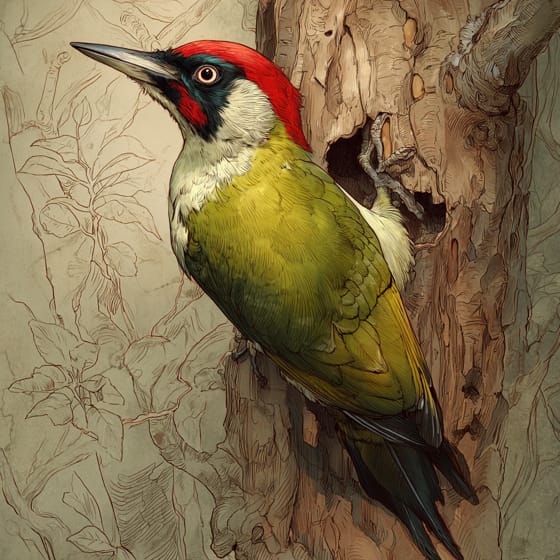
Picus viridis
Woodpeckers are common predators, digging ants from nests.

Viola odorata
Ants help spread violet seeds, aiding plant dispersal.
Social animals live in organized groups, cooperating for survival benefits such as foraging, defense, and raising offspring.
This trait identifies organisms whose diet includes both plant and animal matter.
Describes organisms that break down dead organic material, recycling nutrients back into the ecosystem.
Diurnal animals are primarily active during daylight hours, typically resting or sleeping at night.

Describes a species whose presence and role have a disproportionately large effect on its environment.

Pertaining to species that are significantly smaller than typical or average for their kind.

This habitat trait indicates species that can coexist with humans in urban and suburban environments, utilizing man-made structures and green spaces.

Describes organisms that transfer pollen, enabling the fertilization and reproduction of plants.
No aliases listed yet.
Danger
1/5 · Very low
Be careful not to step on ants when playing outside; they are busy working!
The easiest way to identify Formica cinerea is to use the Snappit nature identifier app.
15-30 mm
3-7 mm
60-365 days
These ants are omnivores, enjoying both tiny insects and the sweet honeydew from aphids!
Urban areas
Foraging
6
Zoom in to split clusters and explore where this object has been snapped.
Recent snaps will appear here as new observations are added.
Take the discovery with you
Snap it with Snappit to identify it, learn what makes it special, and add the discovery to your collection.








.jpg&width=800)



