





Black Vine Weevil
Otiorhynchus sulcatus
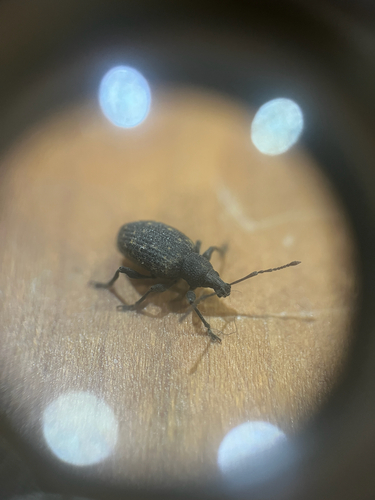
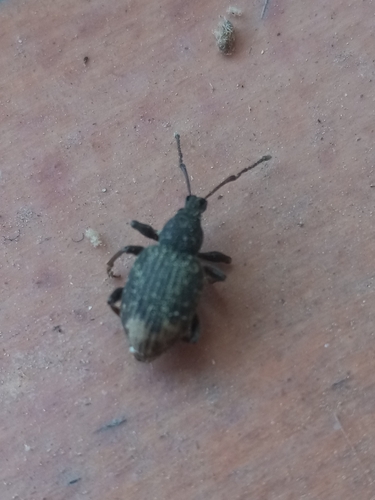
The Black Vine Weevil is a small, black bug that loves to munch on plants. It has a long snout and can be found in gardens and fields, where it hides during the day and comes out at night.
Habitat: Gardens and fields
The Black Vine Weevil is a dull, dark brown to black insect with a hard, lumpy exoskeleton. It features a distinctive short, broad snout, also known as a rostrum, and often has small yellowish or orange specks on its back. Unlike many insects, it lacks functional wings and cannot fly.
Category
InsectsRarity
Common
Danger
2/5 · Low
Snaps
5
Wow, female Black Vine Weevils don't need a male to have babies!
Wow, their babies live hidden underground for many months!
Wow, their special snouts are perfect for chewing notches in leaves!
Wow, their strong legs help them climb up smooth walls and pots!
Black Vine Weevil can reproduce without a mate because females lay eggs alone, creating an army of clones!
Black Vine Weevil has a very hard outer shell that helps them stay safe from hungry birds and other predators.
Black Vine Weevil larvae can eat plant roots underground, which helps them hide from danger and find food.
Black Vine Weevil is active at night, helping them avoid predators that hunt during the day.
These plant-eating insects munch on a wide variety of leaves, stems, and roots!
Age differences: Larvae eat roots underground, while adults feed on leaves above ground.
Pardosa amentata
Adult weevils are a food source for spiders.
Steinernema kraussei
Nematodes infect and kill weevil larvae in the soil.

Fragaria ananassa
Weevils chew notches in leaves and larvae eat roots.
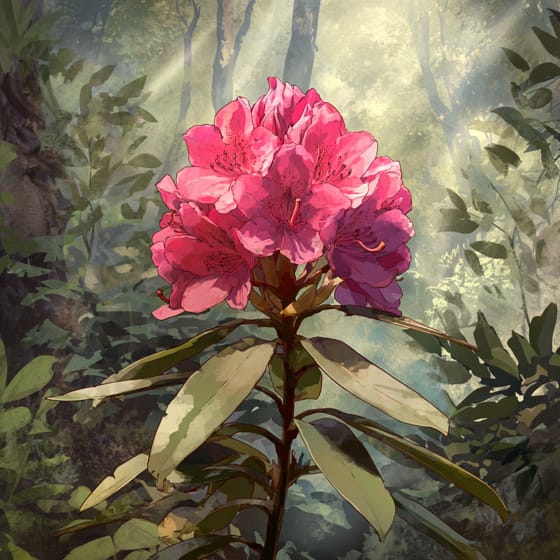
Rhododendron ponticum
Adult weevils cause characteristic leaf notching.
Solitary animals live alone for most of their lives, only interacting with others for mating or parental care.
Burrowing animals dig tunnels and chambers in the ground, using these subterranean structures for shelter, hunting, or breeding.
This trait characterizes organisms whose diet consists entirely or primarily of plant material.
This trait characterizes organisms with an exceptionally long lifespan compared to others of their kind.

Pertaining to species that are significantly smaller than typical or average for their kind.

This habitat trait indicates species that can coexist with humans in urban and suburban environments, utilizing man-made structures and green spaces.

Nocturnal animals are primarily active during the nighttime hours, typically resting or sleeping during the day.
No aliases listed yet.
Danger
2/5 · Low
Don't touch bugs without asking an adult first, as some can be harmful.
The easiest way to identify Black Vine Weevil is to use the Snappit nature identifier app.
7-12 mm
730-1095 days
These plant-eating insects munch on a wide variety of leaves, stems, and roots!
Gardens and fields
Foraging
6
Zoom in to split clusters and explore where this object has been snapped.
Jun 5, 2026
Shedd AquariumPhoto attribution
(c) Nick S., some rights reserved (CC BY)
License: CC BY 4.0 ↗
Image may be shown cropped inside the card frame.
Jun 4, 2026
Delaware Division of the Pennsylvania CanalPhoto attribution
(c) Aleks, some rights reserved (CC BY)
License: CC BY 4.0 ↗
Image may be shown cropped inside the card frame.

Pennsylvania, US
You might spot Spotted Lanternfly, Duck, and Asian Lady Beetle.
View guide →

Illinois, US
You might spot Beluga Whale, Pacific White-Sided Dolphin, and Sea Otter.
View guide →
Illinois, US
You might spot Beluga Whale, Pacific White-Sided Dolphin, and Sea Otter.
View guide →

Connecticut, US
You might spot American Toad, Wood Frog, and Mountain Laurel.
View guide →

Pennsylvania, US
You might spot Spotted Lanternfly, Duck, and Asian Lady Beetle.
View guide →

New York, US
You might spot Canada Goose, Hickory Tussock Moth, and Chicory.
View guide →
Take the discovery with you
Snap it with Snappit to identify it, learn what makes it special, and add the discovery to your collection.








.jpg&width=800)




